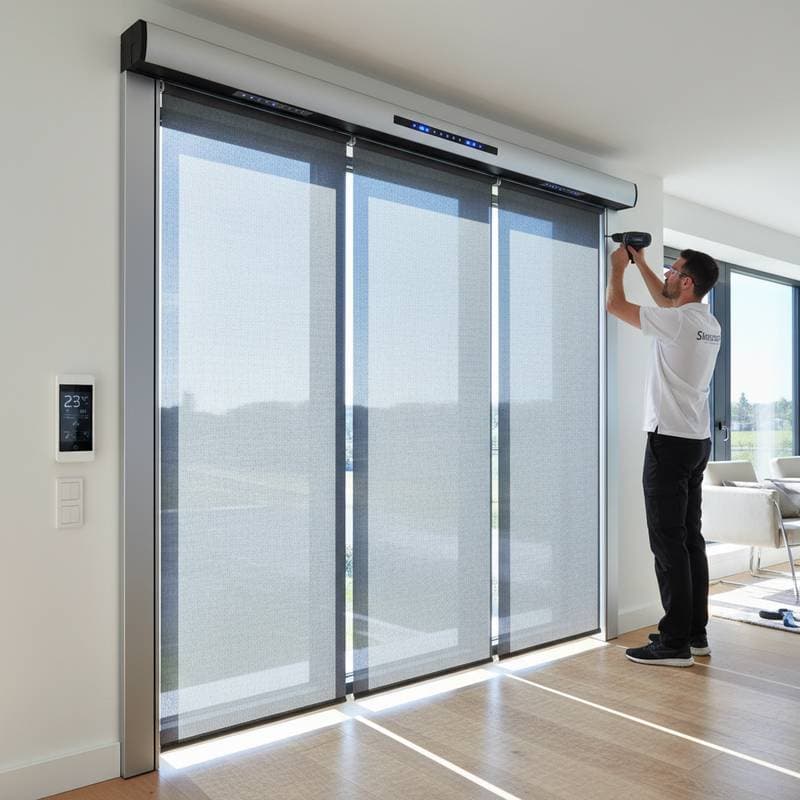
The Benefits of Smart Blinds for Home Cooling
Smart blinds adjust automatically to sunlight and temperature conditions. This automation reduces cooling expenses while maintaining interior comfort and visual appeal. Integration with sensors and smart thermostats lowers overall energy consumption and extends the lifespan of heating and cooling equipment.
Homeowners often underestimate the impact of direct sunlight on indoor temperatures and monthly utility costs. Manual curtains and standard shades provide limited relief because they demand frequent adjustments throughout the day. Smart blinds handle these tasks without intervention by tracking light levels, room temperature, and household patterns.
Energy Management Through Automated Control
Smart blinds deliver both convenience and measurable efficiency gains. They limit solar heat gain by repositioning in response to changing conditions. Reduced demand on air conditioning equipment translates into lower monthly bills and decreased wear on HVAC systems.
This level of automation proves especially useful for households with remote workers or busy family schedules. The system maintains consistent comfort without requiring constant oversight.
Mechanisms That Lower Cooling Expenses
Smart blinds link to environmental sensors or a central home hub. When sunlight intensity rises, the blinds close partially to block excess heat. As the sun shifts position, they reopen gradually to preserve natural light.
Key features include the following:
- Temperature and light sensors that detect rising heat and trigger partial closure to minimize solar gain.
- Custom schedules that close blinds during peak afternoon hours and reopen them in the evening to release accumulated warmth.
- Direct connections to thermostats such as Ecobee or Nest that align blind positions with cooling cycles.
Pairing smart blinds with reflective window film can increase total savings. The film blocks ultraviolet rays while the blinds manage visible light, forming an effective thermal barrier.
Design Options That Preserve Aesthetics
Automation does not require a trade-off in appearance. Modern systems offer fabrics, textures, and finishes suitable for many interior styles. Motorized components remain concealed within the headrail, and cordless designs improve safety around children and pets.
Brands such as Lutron, IKEA, and Hunter Douglas produce models that integrate with existing décor. Available choices range from woven natural materials to blackout or sheer options.
Selection Guidance by Budget
- Budget option: IKEA Fyrtur Smart Roller Blind at approximately 165 dollars per window. Battery operation supports integration with the IKEA Home Smart app along with Alexa and Google Assistant.
- Mid-range option: Yoolax Motorized Smart Shade at approximately 250 dollars. Custom sizing and multiple fabric selections work with Alexa voice commands.
- Premium option: Lutron Serena Smart Shades starting near 750 dollars. Quiet motors provide precise scheduling and seamless connection to Apple HomeKit.
Systems vary in hub requirements. Users of SmartThings or Apple Home should verify direct compatibility before purchase.
Installation and Operational Factors
Power sources and setup
Battery-powered units suit retrofit projects and rental properties. Hardwired models fit new construction or extensive renovations. Electrical work should involve a licensed professional.
Cost planning and scope
Expect a range of 150 to 800 dollars per window. Begin with south- or west-facing windows that receive the strongest sunlight, then expand coverage over time.
Upkeep and security
Rechargeable batteries typically operate for several months. Firmware updates maintain performance when the system stays connected to the network. Strong passwords and regular hub updates protect connected devices.
Optimization Strategies
- Align thermostat settings with blind positions to coordinate cooling cycles.
- Create room-based scenes for morning and evening routines that adjust multiple blinds simultaneously.
- Enable geofencing features that respond to arrival or departure patterns.
- Select lighter fabric colors for sun-exposed rooms to reflect heat more effectively.
Next Steps for Implementation
Smart blinds provide immediate comfort improvements alongside ongoing energy reductions. Begin with a single high-exposure room to evaluate performance. Certified installers can handle both electrical and automation requirements for larger projects.