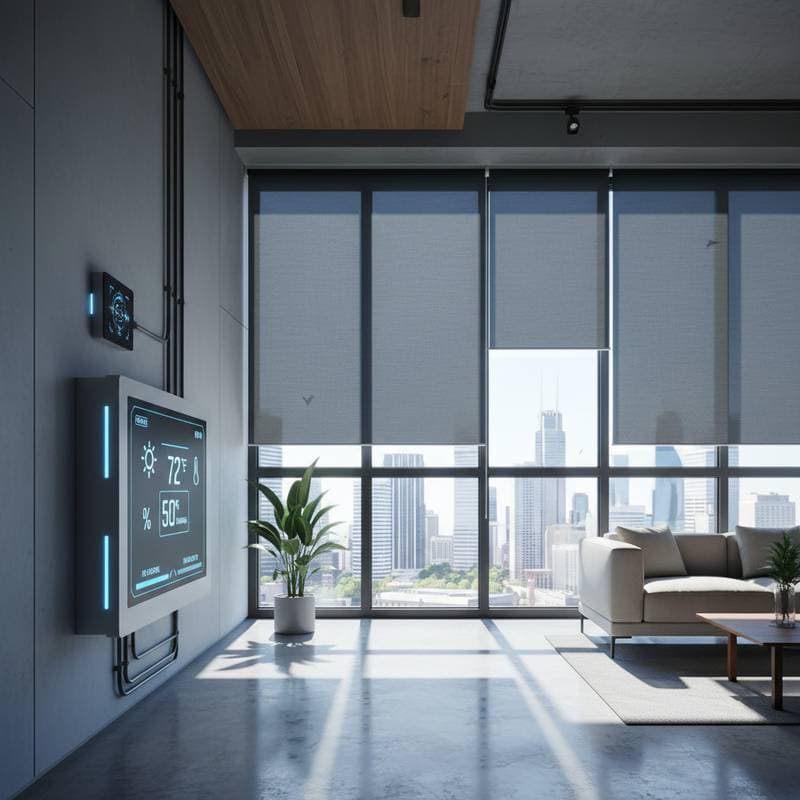
Understanding Smart Blinds and Energy Savings
Smart blinds represent an innovative approach to home automation focused on energy conservation. These devices use artificial intelligence to control window coverings based on real-time environmental data. By automating shade adjustments, they minimize heat gain from sunlight, which directly impacts air conditioning usage.
Traditional blinds require manual operation, often leading to inconsistent energy management. In contrast, smart blinds respond to factors such as outdoor temperature, sun position, and indoor conditions. This precision helps maintain comfortable indoor temperatures without over-relying on mechanical cooling systems.
Homeowners report noticeable reductions in utility bills during peak summer months. The technology proves particularly valuable in regions with intense sunlight, where cooling demands peak. Overall, smart blinds offer a seamless way to enhance energy efficiency from the start.
The Mechanics Behind Heat Reduction
At the core of smart blinds lies advanced sensor integration. Devices connect to weather APIs that provide forecasts on temperature, humidity, and solar intensity. When the system detects incoming sunlight that could raise indoor heat, the blinds lower automatically to block ultraviolet rays.
Many models pair with smart thermostats for synchronized operation. For instance, if the thermostat registers a rise in room temperature, the blinds deploy to insulate the space. This closed-loop system prevents energy waste by addressing heat at its source rather than compensating after the fact.
Light optimization forms another key feature. Blinds tilt to allow diffused light for illumination while rejecting direct heat. Users benefit from brighter rooms without the glare or thermal buildup that strains cooling units.
Quantifying the Cost Savings
Studies indicate that smart blinds can slash cooling expenses by up to 50 percent in well-suited homes. This figure arises from reduced air conditioning runtime, as shades prevent heat infiltration during the hottest parts of the day. In a typical household, this translates to hundreds of dollars saved annually on electricity bills.
Consider a home in a sunny climate: without automation, windows might allow 30 percent more heat entry than necessary. Smart blinds mitigate this by deploying precisely when needed, extending the life of HVAC systems through lower operational stress. The return on investment often occurs within one to two years.
Beyond direct savings, these systems contribute to broader utility reductions. By balancing natural light, they decrease dependence on artificial lighting, adding further efficiency. Homeowners achieve these gains without sacrificing aesthetics or comfort.
Integration with Home Ecosystems
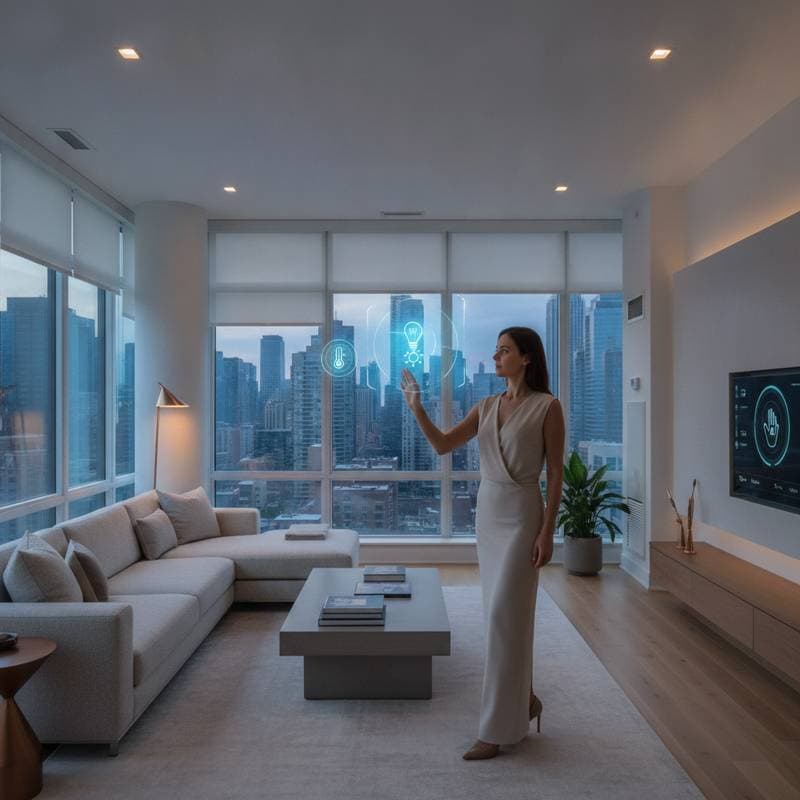
Smart blinds excel in compatibility with existing smart home platforms. Popular systems like those from major tech ecosystems allow voice control or app-based adjustments. Integration ensures blinds work alongside lights, security cameras, and climate controls for a unified experience.
For example, during morning hours, blinds might rise gradually to simulate a natural wake-up while monitoring outdoor conditions. In the afternoon, they coordinate with the thermostat to preempt heat spikes. This interconnected approach maximizes efficiency across the entire home.
Users appreciate the customization options. Schedules can align with daily routines, such as closing shades before sunset to retain evening coolness. Remote access via mobile apps provides control even when away, ensuring consistent energy management.
Selecting the Ideal Smart Blinds
Choosing smart blinds begins with assessing window sizes and room orientations. South-facing windows benefit most from heat-blocking fabrics, while east-west exposures prioritize light diffusion. Measure precisely to ensure proper fit and functionality.
Budget plays a significant role in selection. Entry-level models start around a few hundred dollars per window, offering basic automation via hubs. Premium options, exceeding one thousand dollars, include advanced AI for predictive adjustments and seamless multi-room control.
Material choices affect performance: cellular shades trap air for insulation, while roller styles provide sleek operation. Look for energy-efficient certifications to verify claims. Test compatibility with your home network to avoid integration issues.
Installation and Daily Operation
Professional installation ensures optimal placement and wiring, though many models support DIY setups with adhesive mounts. Connect the blinds to power sources and pair them with a central hub for full functionality. Calibration involves setting home boundaries and preferred light levels.
Once installed, operation proves intuitive. Apps guide initial setup, allowing users to define automation rules. For instance, set blinds to lower at noon on sunny days or integrate with occupancy sensors to adjust only when rooms are in use.
Maintenance remains minimal: occasional dusting and firmware updates keep systems performing at peak. Troubleshoot connectivity through app diagnostics, ensuring reliable operation year-round. This low-effort upkeep sustains long-term savings.
Enhancing Comfort and Sustainability
Smart blinds elevate daily living by creating adaptable environments. They reduce glare on screens and furniture, preserving interiors from fading. Natural light regulation supports better sleep cycles and mood enhancement without energy-intensive alternatives.
Sustainability emerges as a core advantage. By curbing cooling needs, these systems lower carbon footprints associated with electricity generation. Homeowners contribute to environmental goals while enjoying personalized comfort tailored to lifestyle.
Future advancements promise even greater integration, such as solar-powered blinds that generate energy. Current models already deliver substantial benefits, making them a worthwhile upgrade for eco-conscious households.
Realize Savings in Your Home
Implementing smart blinds transforms energy management into a proactive strategy. Start by evaluating high-impact windows and exploring compatible models. The combination of cost reductions, comfort improvements, and sustainability makes this technology indispensable for modern homes.
Track progress through utility monitoring to quantify gains. Adjust settings as needed to refine performance. With these steps, homeowners unlock up to 50 percent savings on cooling while fostering a more efficient living space.