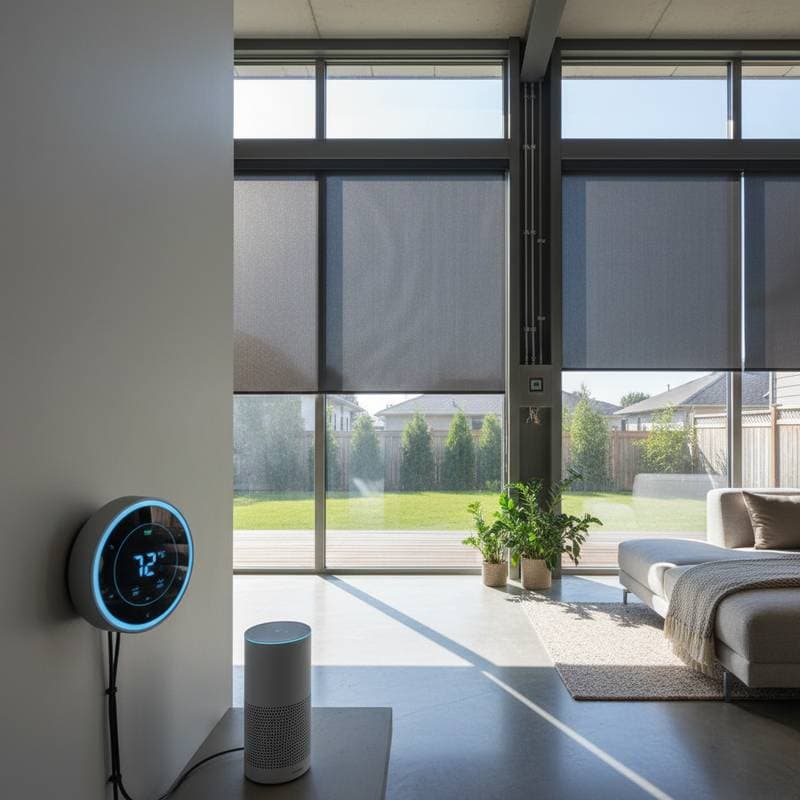
How Smart Blinds Deliver $200 in Annual Cooling Savings
Smart homes evolve from optional enhancements to essential systems, and automated window treatments stand out as a key advancement. These devices shift beyond mere convenience to deliver tangible benefits in energy efficiency, comfort, and security. By responding to sunlight and temperature changes, smart blinds minimize heat entry through windows, which often account for significant energy loss in residences.
Addressing the Challenge of Solar Heat Gain
Windows provide essential light and views, but they also permit substantial heat infiltration during sunny periods. In regions with extended daylight hours, this solar gain forces air conditioning units to operate more frequently, which elevates electricity consumption and costs. Manual blinds frequently remain in suboptimal positions, as individuals overlook adjustments amid daily routines.
Automated solutions address this oversight through built-in sensors that monitor light intensity and ambient conditions. These blinds tilt or lower precisely to block excess heat while preserving visibility and illumination. When paired with intelligent thermostats, the setup optimizes indoor climates proactively, reducing reliance on mechanical cooling.
Mechanics of Automated Adjustment
At the core, smart blinds incorporate compact motors linked to wireless controllers or mobile applications. Integrated sensors detect variables such as sunlight levels, indoor temperatures, and occupancy status. Users program schedules that align with routines, such as raising blinds at dawn to welcome morning light and lowering them midday to counter peak solar exposure.
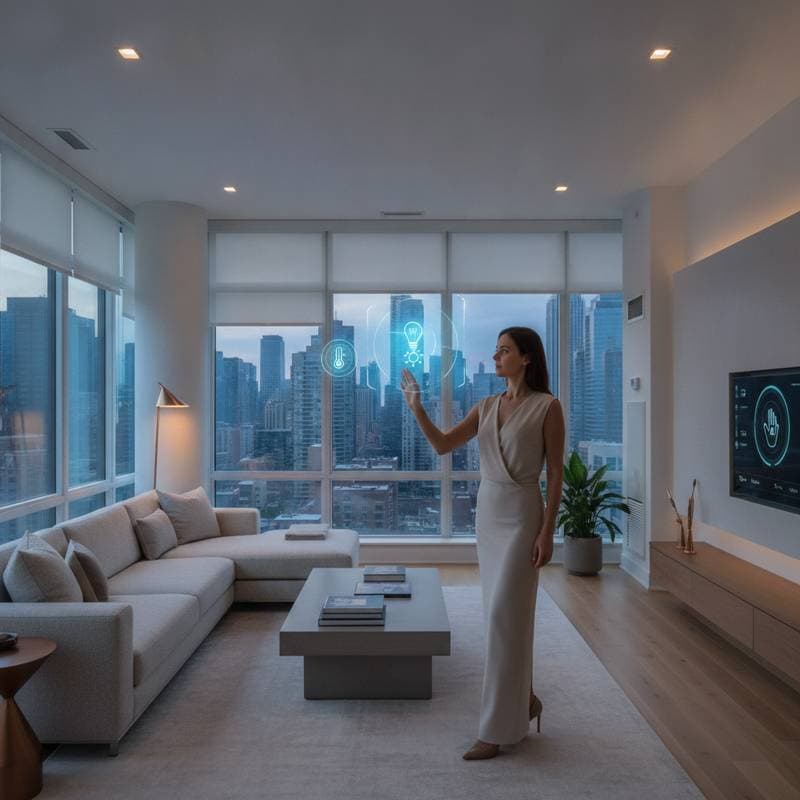
Advanced models synchronize with voice-activated platforms like Alexa or Google Assistant. Commands such as "Lower the kitchen blinds" execute instantly, while automated routines trigger based on triggers like rising outdoor temperatures. Over time, machine learning refines these patterns to accommodate weather variations and user habits, ensuring consistent performance.
Quantifying the Financial Benefits
Studies from energy experts indicate that automated shading systems can decrease cooling demands by as much as 20 percent. For an average household, this efficiency yields approximately $200 in yearly savings on air conditioning expenses tied to solar heat. The reduction stems from diminished thermal loads on HVAC systems, particularly during high-demand afternoons.
Brands like Lutron with their Serena line, Somfy's motorized options, and IKEA's affordable Tradfri series exemplify these capabilities. Users consistently note stabilized room temperatures, reduced AC cycling, and measurable drops in utility statements. Such outcomes eliminate manual interventions, guaranteeing optimal shading at critical moments.
Enhancing Daily Comfort and Security
Beyond economics, smart blinds elevate living quality through intuitive automation. Blinds rise gradually to simulate a natural wake-up with diffused sunlight, or descend to curb screen glare during evening relaxation. The system adapts to individual settings, fostering an environment that harmonizes natural elements with personal needs.
For absent residents, scheduled operations mimic occupancy by varying blind positions throughout the day. This deters potential intruders more effectively than static setups. When integrated with connected lights or cameras, the overall security framework strengthens without requiring constant oversight.
Seamless Integration with Home Ecosystems
Modern installations demand compatibility across devices, and leading smart blinds deliver on this front. They interface with platforms like Apple HomeKit, Samsung SmartThings, or IFTTT to orchestrate responses among lighting, climate control, and shading. For instance, as external temperatures climb, blinds deploy preemptively to avert indoor overheating, easing the burden on cooling appliances.
This interconnected approach promotes sustainability by curbing unnecessary energy use. Environmentally aware individuals appreciate how such coordination lowers overall consumption while upholding livability standards. Technology assumes the role of vigilant manager, allowing occupants to focus on other priorities.
Expanding Accessibility in the Market
Initial perceptions positioned smart shading as an elite feature, yet competitive pricing now broadens its reach. Market research reveals increasing integration within comprehensive smart home transformations. Rechargeable battery systems simplify setup, bypassing complex wiring and enabling attachment to standard window fixtures via Wi-Fi hubs.
Entry-level packages target single-room applications, permitting gradual expansion. Renters benefit from non-invasive designs that avoid permanent alterations. As production scales, the value proposition sharpens, with upfront investments recouped through sustained energy reductions.
Envisioning Responsive Home Environments
Automated window treatments herald an era of homes that intuitively adapt to external influences. Enhanced sensor accuracy and algorithmic intelligence will enable finer adjustments, such as optimizing light diffusion for task-specific areas. Integration with broader data sources promises anticipatory actions, like pre-positioning blinds for impending sunlight shifts.
These innovations normalize dynamic comfort, where spaces self-regulate for efficiency and well-being. The trajectory points toward intuitive residences that anticipate needs, blending technology with everyday functionality.
Steps to Implement Smart Shading
Begin by assessing windows that receive the most direct sunlight, often south- or west-facing exposures in many locations. Prioritize these for initial installations to maximize impact on heat control and savings. Select models compatible with existing smart devices to facilitate unified management.
Professional consultations can guide custom fits, while DIY options suit straightforward setups. Monitor performance via app analytics to fine-tune operations. This strategic adoption transforms routine spaces into efficient, responsive havens that deliver lasting value.