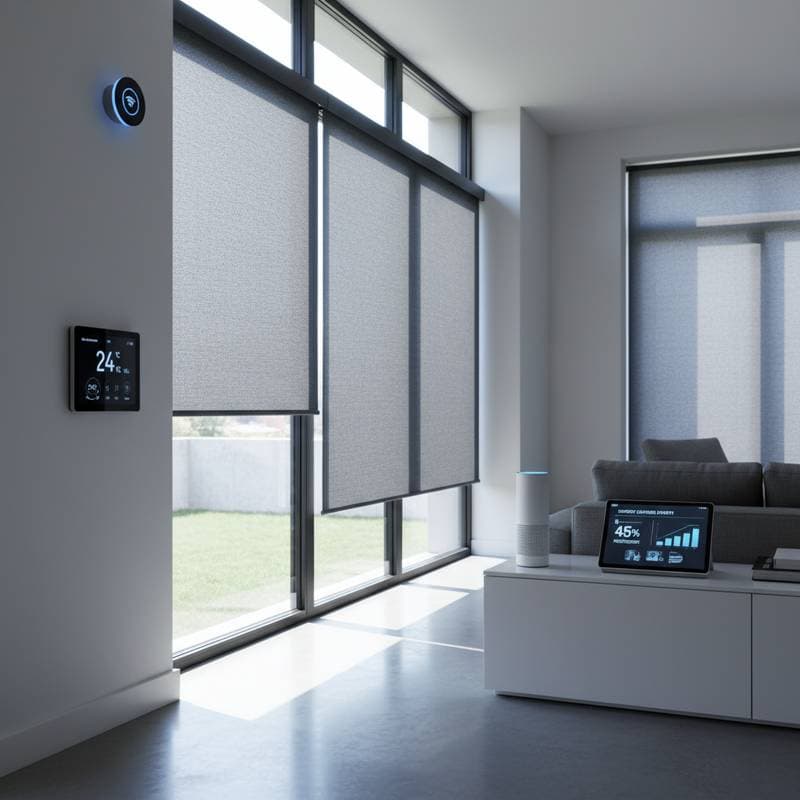
How Smart Blinds Reduce Cooling Costs by 45 Percent Through Automation
Smart homes continue to advance rapidly, with innovations at the windows leading the charge for energy efficiency. Smart blinds have transitioned from luxury items to essential components of sustainable living. These automated systems employ sensors, light detection, and real-time weather data to adjust positioning dynamically, maintaining optimal indoor temperatures while minimizing energy consumption. Recent models demonstrate reductions in cooling expenses by as much as 45 percent, highlighting how targeted automation yields significant financial and ecological advantages.
Advanced Automation for Energy Savings
Contemporary smart blinds extend beyond basic motorized operation to form integrated networks with thermostats and environmental sensors. They close during peak solar hours to block heat entry and open during cooler periods to allow beneficial natural light. This proactive approach lightens the load on air conditioning units, conserving electricity and lowering utility bills.
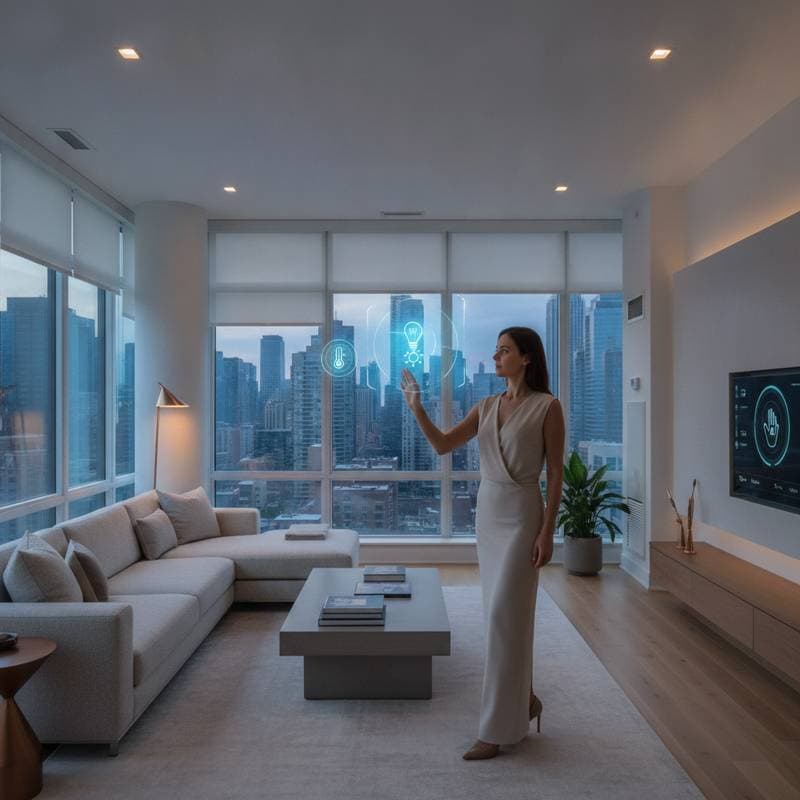
When linked to centralized home hubs, these blinds enable remote monitoring and scheduling via dedicated applications or voice commands. Advanced units incorporate machine learning algorithms that analyze occupancy patterns and forecast weather impacts, adjusting preemptively for personalized comfort. Such seamless integration elevates daily routines by automating climate control without user intervention.
Core Technologies Driving Efficiency
At the heart of these systems lie embedded temperature and sunlight sensors that collect continuous environmental data. Machine learning processes this information to predict heat accumulation and reposition blinds accordingly, often before discomfort arises. Certain models harness solar energy for self-powered operation, enhancing overall sustainability by eliminating reliance on external electricity sources.
Consider a networked shade solution that interfaces directly with intelligent thermostats. Upon detecting elevated indoor temperatures, the thermostat prompts the blinds to descend, intercepting sunlight and delaying air conditioner activation. This synergy not only curbs cooling needs but also prolongs the durability of heating, ventilation, and air conditioning equipment through reduced operational cycles.
Key Benefits Attracting Homeowners
The primary draw remains substantial energy savings, complemented by enhanced convenience and thermal comfort. Surveys indicate that a growing number of homeowners select smart blinds to address rising energy costs and fulfill environmental commitments. Achieving nearly half the previous cooling expenses proves particularly persuasive in an era of volatile utility rates.
These systems elevate quality of life in multiple ways. They maintain uniform lighting levels to safeguard interiors from fading and provide adjustable privacy without total light exclusion. For remote workers or students, the steady balance of illumination and temperature fosters improved concentration and overall wellness.
Seamless Integration into Smart Ecosystems
Current smart blinds align effortlessly with established platforms for lighting, security, and climate management. The adoption of the Matter compatibility standard simplifies connectivity across devices, eliminating the need for disparate applications or intricate configurations. A single voice directive, such as requesting blind closure, can trigger coordinated responses from thermostats and lights to achieve harmonious indoor conditions.
Manufacturers prioritize user-friendliness in design and setup. Simplified installation processes and retrofit adapters transform conventional blinds into smart ones without full replacements. Intuitive mobile interfaces and voice interactions ensure accessibility for individuals new to automated home systems.
Steps to Implement Smart Blinds Effectively
Begin by evaluating sun-exposed rooms, as these spaces gain the most from automated shading solutions. Select systems compatible with your current smart devices, prioritizing options with solar charging or long-life batteries for reliable performance. Professional consultations can help customize installations to match window sizes and orientations.
Test integration with existing thermostats during setup to verify synchronized operation. Schedule initial adjustments based on local climate patterns, then allow machine learning to refine behaviors over weeks of use. Regular firmware updates ensure ongoing optimization for emerging weather data and efficiency standards.
Achieving Sustainable Comfort Daily
Smart blinds embody proactive home intelligence, blending aesthetics with functionality. By substantially lowering cooling demands, they illustrate how elegant automation supports energy conservation. Homeowners pursuing balanced living environments find these systems deliver immediate improvements in efficiency, comfort, and long-term value.