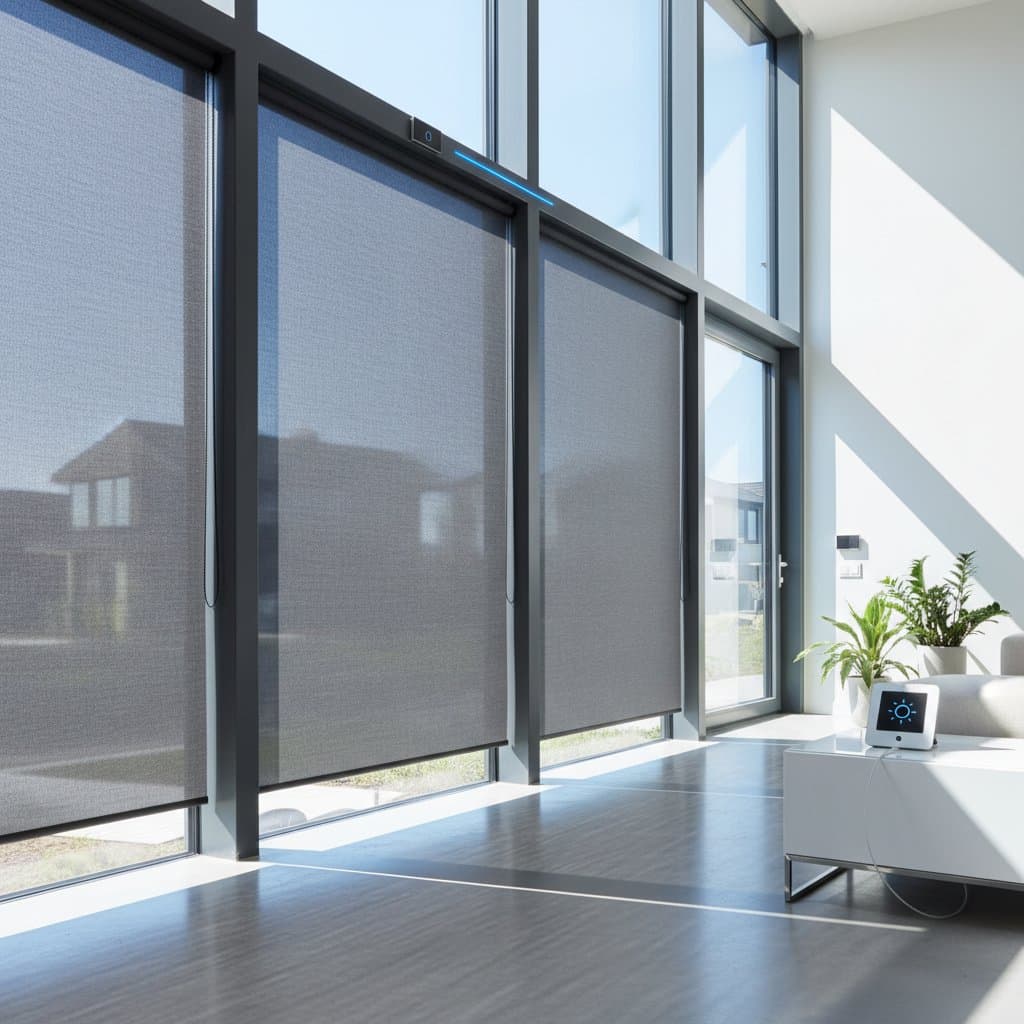
Smart Blinds Track the Sun to Reduce Cooling Costs by 50 Percent
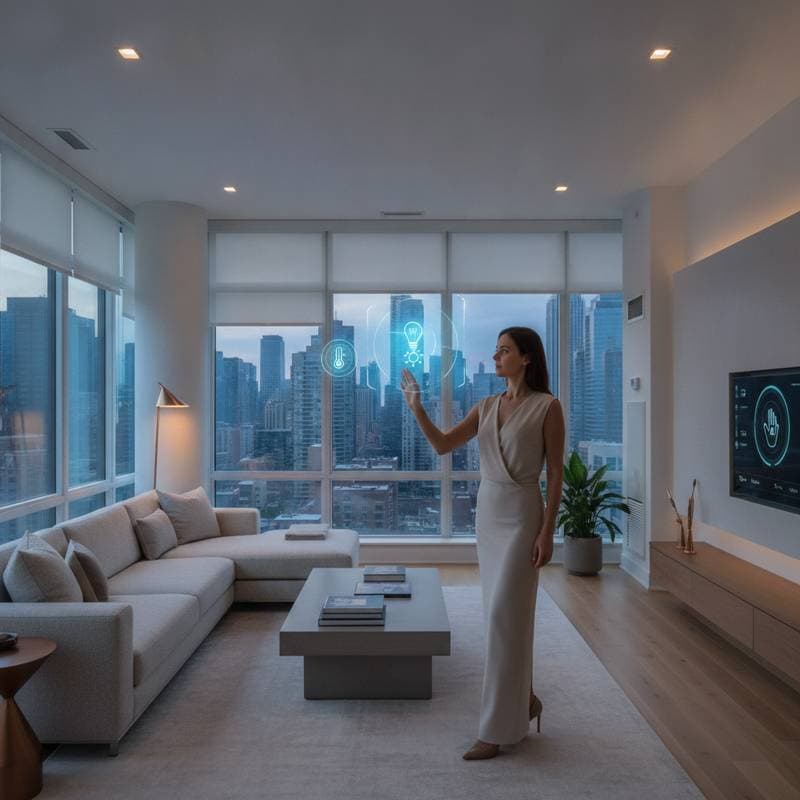
Picture entering your living room on a sweltering summer afternoon to discover a perfectly temperate environment, all without adjusting the thermostat. Direct sunlight does not overwhelm the space, and the air conditioner operates at reduced capacity. Your blinds manage these conditions independently by following the sun's trajectory, ensuring comfort with minimal effort. Such technology exists now, and it can decrease cooling expenses by up to half.
The Impact of Unmanaged Sunlight
Sunlight provides essential warmth and illumination to a home, yet it often introduces excessive heat. Windows oriented toward the south or west function as heat sources, compelling the air conditioning unit to labor excessively. Manual blinds or curtains offer partial relief, but consistent adjustments demand attention that many overlook. This neglect contributes significantly to elevated energy consumption.
Smart blinds with solar-tracking capabilities address these challenges proactively. They monitor light intensity, ambient temperature, and solar positioning, then reposition slats or shades to deflect heat while permitting desirable natural light. Consequently, indoor temperatures remain steady, and the heating, ventilation, and air conditioning system experiences less demand.
Mechanisms Behind Sun-Tracking Functionality
These blinds operate through integrated sensors, sophisticated algorithms, and motorized mechanisms. A compact light sensor, positioned adjacent to the window or within the blind assembly, gauges sunlight's strength and direction. The controlling software processes this data alongside daily solar patterns to execute precise adjustments.
Certain advanced units incorporate external weather information and location-based data from GPS. This enables anticipation of dawn, dusk, cloud formations, and annual variations. Compatibility with central smart home controllers further allows synchronization with illumination and temperature management for enhanced performance.
Practical advice: Select systems featuring location-aware adjustments tied to your mobile device. As you near your residence, the blinds may raise to admit light or descend to maintain coolness in anticipation of your arrival.
Broader Implications for Energy Management
Beyond mere convenience, smart blinds form a vital component of comprehensive energy optimization. Regulating solar ingress diminishes the burden on cooling appliances, which constitute a substantial portion of seasonal utility expenses. Effective shading can decrease internal heat buildup by multiple degrees, yielding tangible reductions in billing statements.
This approach harmonizes user comfort with environmental responsibility. Occupants enjoy cooler interiors, incur lower costs, and lessen overall emissions, all without forgoing beneficial daylight. For residents seeking impactful home enhancements, these devices stand out as particularly valuable investments.
Steps to Implement a Smart Blinds System
Prospective users should follow a structured process: select an appropriate model, prepare for mounting, and connect to the home's automation network.
- Select the appropriate model. Consider options like roller shades, slatted venetians, or cellular honeycomb varieties. Roller shades offer a modern appearance and pair effectively with UV-resistant materials. Honeycomb designs excel in thermal insulation for both warm and cool seasons.
- Prepare for installation. Accurately measure window dimensions and evaluate power sources. Units may connect to wall outlets, rely on rechargeable batteries, or harness small solar panels affixed to the frame.
- Establish smart connectivity. Link the blinds to platforms such as Google Home, Apple HomeKit, or Amazon Alexa. This setup supports verbal commands, timed operations, and customized automation routines.
Recommended Products Across Price Ranges
The following selections cater to varying budgets and needs:
- Entry-level choice: IKEA Fyrtur Smart Roller Blind (approximately $169 per window). Powered by a rechargeable battery, it interfaces via the IKEA Dirigera hub and installs with ease, compatible with Alexa or Google Home.
- Intermediate option: Lutron Serena Smart Shades (from about $499 per window). These provide fluid motorized action and dependable mobile application oversight, integrating across diverse smart ecosystems with features for timed and responsive light management.
- High-end pick: Hunter Douglas PowerView Generation 3 Shades (around $899 per window). Equipped with sophisticated solar monitoring, silent drives, and accurate angle adjustments, they operate independently based on temporal or luminosity cues for full autonomy.
Practical advice: For expansive windows or elevated skylights, opt for models with built-in solar recharging. This approach minimizes maintenance and simplifies setup by avoiding extensive cabling.
Key Factors to Evaluate Prior to Purchase
Assess your environment and finances carefully before proceeding. Initial costs exceed those of traditional shades, yet sustained energy reductions justify the expenditure. Budget between $200 and $900 per window, influenced by dimensions, fabrics, and technological inclusions.
In residences with outdated electrical systems or scarce outlets, prioritize battery or solar variants. These require no structural alterations and install without regulatory approvals. For hardwired configurations, engage a certified electrician to verify adherence to building standards.
Maintenance remains straightforward. Shade materials withstand gentle dusting or vacuuming. Rechargeable units demand attention every few months, whereas solar-dependent ones sustain operation through consistent light exposure.
Enhancing Integration and Automation
Seamless device interoperability represents a primary strength of smart blinds. Program them to activate upon detection of increasing room heat by the thermostat. Combining with intelligent lighting fosters equilibrium, where supplemental illumination fades as natural light intensifies.
Platforms like Samsung SmartThings or Home Assistant enable elaborate configurations. Develop tailored scenarios, including:
- Morning Activation: Blinds ascend progressively alongside gradual lighting increase and thermostat calibration to an ideal setting.
- Daytime Thermal Control: Partial closure shields against peak sun while preserving workspace illumination without added lamps.
- Evening Wind-Down: Full descent ensures seclusion and heat conservation as interior lights shift to soothing hues.
Verbal directives enhance usability. Issuing a command to seal specific room coverings during film viewing integrates advanced functionality into routine activities.
Quantifying Savings and Efficiency Gains
Properly configured smart blinds achieve up to 50 percent reductions in cooling expenditures. Maximum benefits arise in properties featuring prominent glazing or intense late-day solar exposure. Even intermittent use delivers measurable improvements.
Research on automated shading demonstrates capacity to curb heat influx by several degrees. This alleviates instantaneous cooling needs and extends the durability of climate control hardware. Accumulated over multiple years, these efficiencies recoup a significant portion of upfront investments.
Additional advantages include safeguarding interiors from ultraviolet damage. Consistent positioning preserves upholstery and surfaces, averting premature wear and associated repair costs.
Addressing Potential Obstacles
Concerns regarding setup difficulty or expense deter some individuals. Current offerings prioritize user-friendliness and accessibility, with numerous vendors providing self-assembly packages that eliminate tools or electrical work.
To confirm ecosystem compatibility, utilize manufacturer-provided digital selectors. These guide selection of necessary connectors for uninterrupted performance.
In expansive dwellings or intricate fenestration arrangements, enlist professional assistance. Platforms such as HomeAdvisor or Thumbtack facilitate quote requests and connections to vetted experts.
Sustained Advantages and Elevated Comfort
Following deployment, these systems function unobtrusively, adapting to spatial light dynamics without ongoing oversight. Residents observe diminished temperature fluctuations, reduced utility charges, and uniform ambiance over time.
Aesthetic enhancements accompany functional gains, as coordinated motions impart contemporary sophistication unattainable with manual alternatives. The assurance of maintained efficiency during absences provides enduring peace of mind.
Advancing Toward Implementation
For those aiming to curtail energy outlays or refine residential comfort, sun-tracking smart blinds offer a viable, enriching enhancement. They merge innovation, style, and ecological mindfulness into an intuitive solution that elevates everyday experiences.