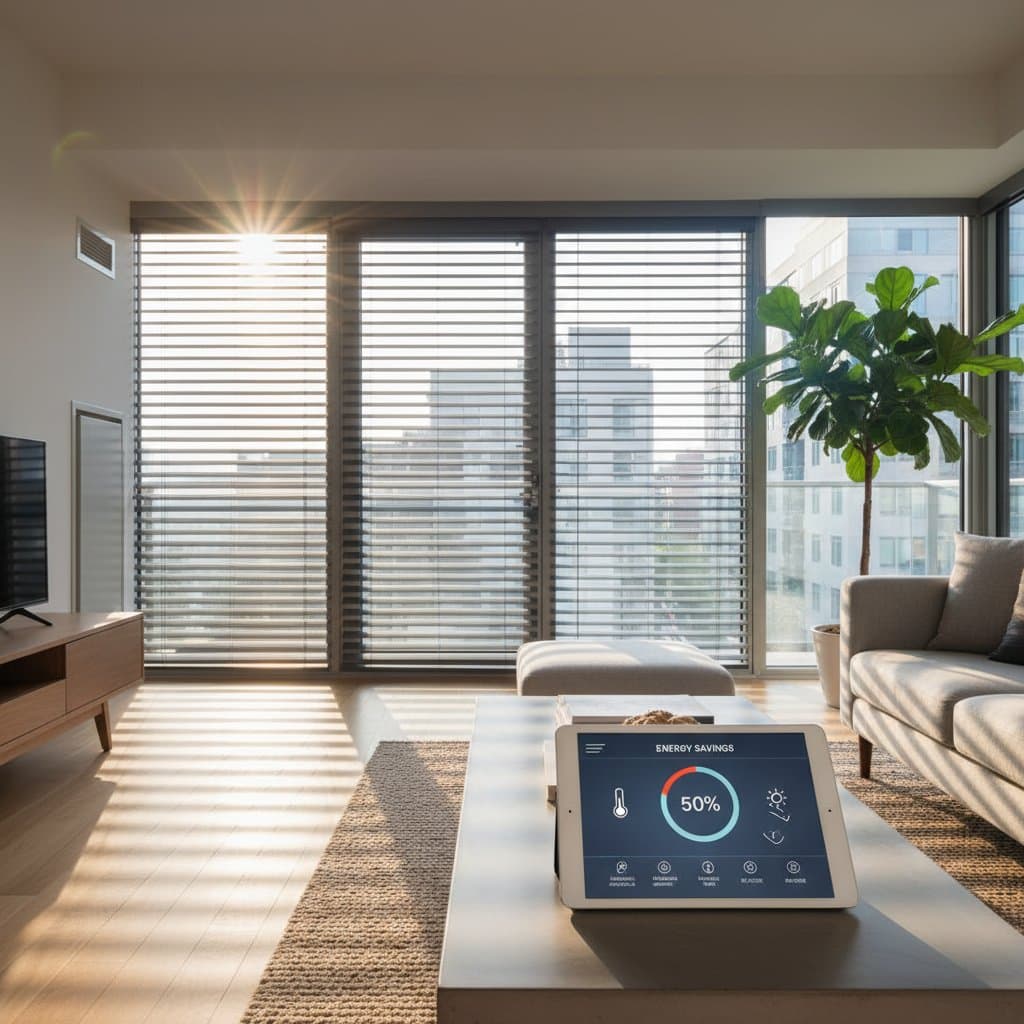
Smart Blinds Achieve 50 Percent Savings on Air Conditioning and Gain Widespread Use
Smart homes transition from optional upgrades to essential features, with automated window coverings emerging as key players in this evolution. These devices surpass traditional expectations by optimizing comfort and slashing energy expenses. Homeowners increasingly rely on smart blinds to cut air conditioning needs by up to 50 percent, fueling rapid adoption across diverse living spaces.
Understanding the Growth of Automated Window Coverings
Smart blinds consist of motorized shades that operate via apps, remotes, or integrated smart home platforms. They detect sunlight intensity, monitor daily schedules, and adapt to temperature shifts. During intense afternoon heat, the blinds lower to block solar gain, which reduces reliance on cooling systems. As evening approaches or cooler conditions set in, they lift to allow natural illumination and warmth.
Market analyses indicate steady increases in installations for both new constructions and existing properties. Buyers value the direct benefits of reduced utility bills, consistent indoor climates, and lower environmental footprints. Affordable entry points now connect with systems such as Google Home, Amazon Alexa, and Apple HomeKit, broadening access to households of all sizes.
Mechanisms Behind Cooling Cost Reductions
Manual blinds frequently remain unchanged during high-heat periods, permitting excess warmth to enter. Automated versions address this through sensors that trigger adjustments at optimal times or follow programmed timelines. By limiting solar heat penetration, they maintain cooler interiors without constant air conditioning operation.
Studies by energy specialists reveal potential reductions in cooling expenses of up to 50 percent in warm climates. Results vary based on elements like window dimensions, building orientation, and overall insulation levels. Pairing smart blinds with programmable thermostats or intelligent vents enhances outcomes by synchronizing whole-home climate management.
Enhancing Daily Comfort and Ease
Beyond financial advantages, smart blinds foster environments that align with personal habits. Consider shades that ascend gradually at dawn to introduce soft morning light, or those that secure privacy at dusk without manual effort. Such features integrate seamlessly into routines, promoting relaxation and efficiency.
Voice commands simplify interactions further; instruct the system to adjust shades from the kitchen or living room. Advanced models analyze usage data to anticipate needs, such as lowering during nap times. This creates spaces that respond intuitively, blending technology with everyday life.
Practical Examples from Leading Products
Brands like Lutron with Serena Shades, IKEA through the Fyrtur series, and retrofit options from SwitchBot or Somfy make automation attainable. Select full motorized setups or attachable motors to current blinds for flexibility. Most operate wirelessly with long-lasting batteries, allowing straightforward self-installation.
An energy research initiative documented a suburban residence where smart blinds paired with a linked thermostat halved summer cooling consumption. The setup demanded minimal oversight after initial programming; blinds shifted based on environmental cues, while the thermostat fine-tuned responses to maintain ideal conditions.
Promoting Sustainability via Intelligent Features
Smart blinds support eco-friendly habits by curbing air conditioning requirements, which in turn decreases energy use and greenhouse gas outputs. They also shield furniture, carpets, and walls from ultraviolet rays, preserving colors and materials over time.
Design professionals embed these systems in architectural blueprints to harmonize light control with insulation strategies. Combine them with energy-efficient glazing for adaptive barriers against weather fluctuations. Homes achieve balanced temperatures with reduced resource consumption.
Seamless Connections in Smart Home Networks
These shades integrate deeply within comprehensive automation frameworks. Standards like Matter and Thread enable links to lights, heating systems, and alarms. For instance, blinds might close upon arming the security setup or detecting unoccupied areas via sensors.
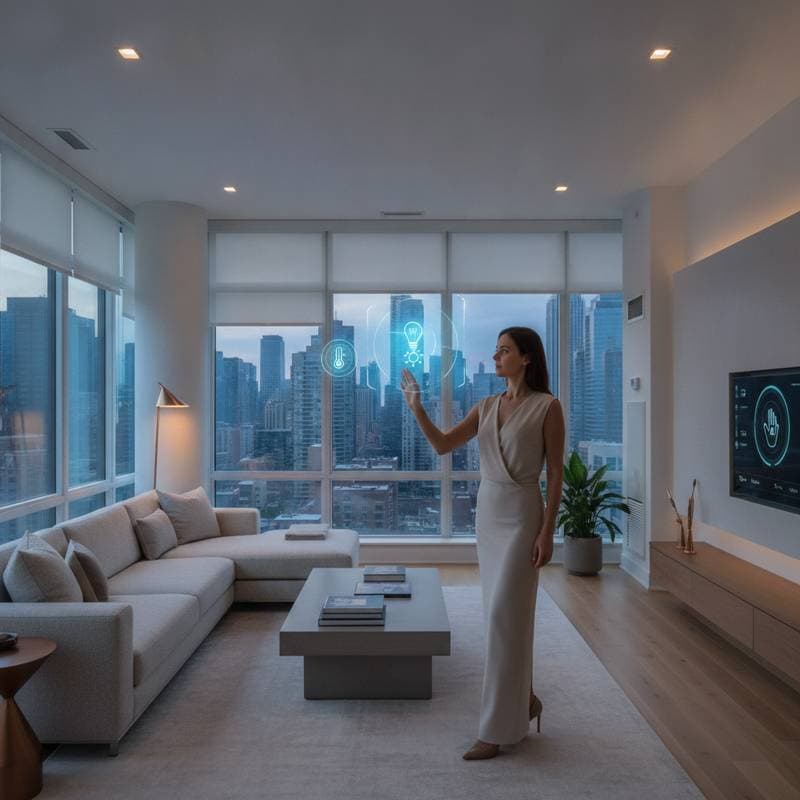
Smart assistants facilitate routines across devices; a bedtime command could dim lights, secure entry points, and draw shades in sequence. This unified approach ensures devices from various manufacturers function together without friction.
Addressing Common Adoption Challenges
Cost remains a primary concern for potential users, though prices continue to decline. Initial investments often recoup through bill reductions in the first year. Track monthly savings to gauge return on investment.
Reliability issues in older models, such as spotty connections or intricate setups, have diminished. Current designs feature intuitive apps for guidance and stable wireless protocols. Extended battery durations minimize upkeep, suiting temporary residents or structures lacking built-in power sources.
The Impact of Automation on Well-Being
Automated shading influences ambiance profoundly, as light levels affect energy and focus. Systems deliver glare-free daylight consistently, while some align adjustments with biological clocks to aid rest and alertness.
Users frequently report elevated satisfaction from stable lighting and temperatures. Privacy becomes effortless, and spaces feel more harmonious. Technology operates unobtrusively, amplifying livability without drawing attention.
Integrating Smart Blinds for Lasting Benefits
Smart blinds merge functionality with aesthetics to advance home efficiency. They provide quantifiable reductions in energy use alongside heightened usability.
As integration expands, these solutions appear in residences, rentals, and workplaces alike. Install them to lower cooling demands, refine comfort levels, and build environments that adapt proactively to needs.