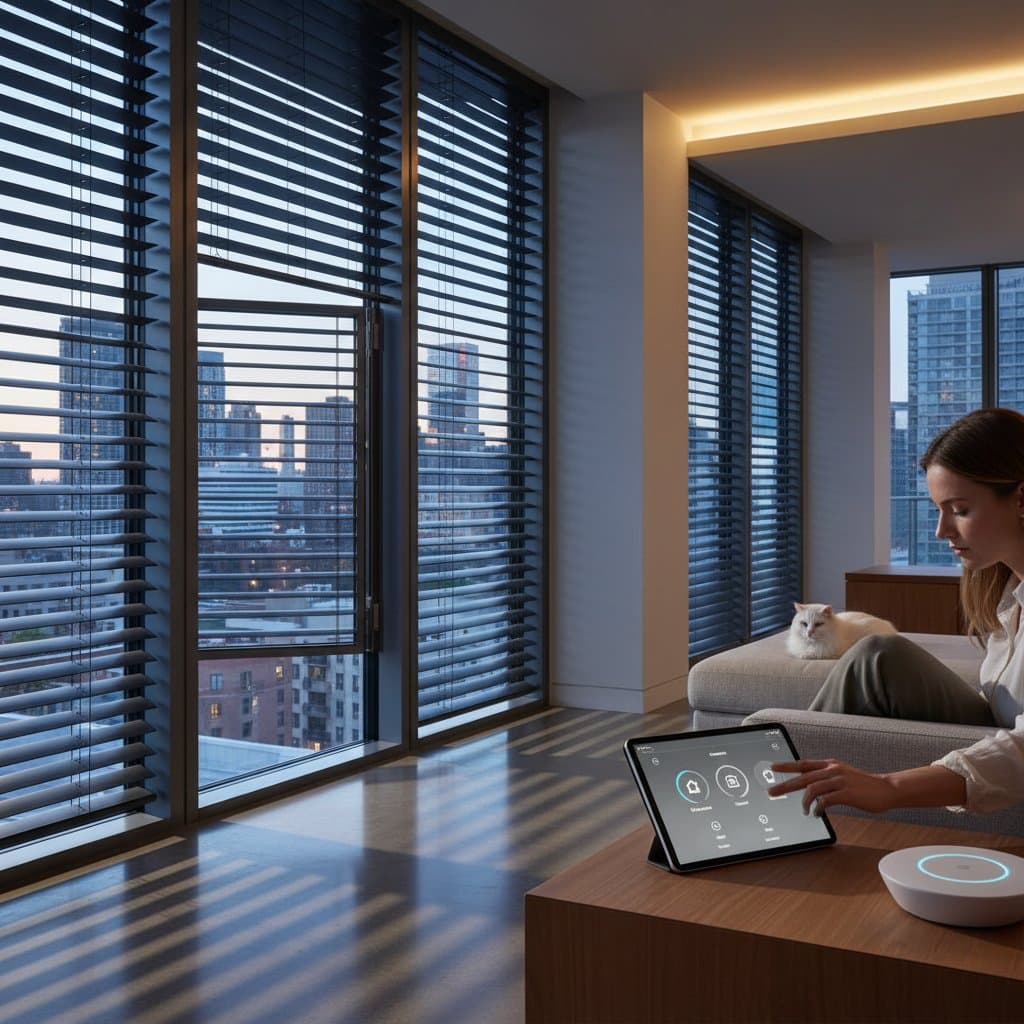
Smart Blinds: The Key to Enhanced Privacy in Modern Homes
Smart blinds represent a significant advancement in home automation technology. These devices allow homeowners to control window coverings remotely or automatically, adjusting to light levels, time of day, or user preferences. As privacy concerns grow in an increasingly connected world, smart blinds offer a seamless solution that integrates privacy with convenience.
The surge in popularity stems from their ability to provide on-demand seclusion without manual effort. Homeowners appreciate the peace of mind that comes from knowing their spaces remain private, even when they are away. This technology transforms ordinary windows into intelligent barriers against prying eyes.
Understanding Smart Blinds Technology
At their core, smart blinds consist of motorized shades or curtains connected to a central hub or app. Motors within the blinds respond to commands via Wi-Fi, Bluetooth, or voice activation. Sensors detect environmental changes, such as sunlight intensity, and adjust the blinds accordingly.
Many systems incorporate artificial intelligence to learn daily routines. For instance, blinds might lower automatically at dusk to block views from the street while allowing natural light during the day. This level of automation reduces the need for constant oversight and enhances overall home security.
Compatibility with popular smart home ecosystems, including Amazon Alexa, Google Home, and Apple HomeKit, ensures broad accessibility. Users can issue simple voice commands to raise or lower blinds from anywhere in the house or remotely through a smartphone application.
The Privacy Advantages of Smart Blinds
Privacy forms the primary draw for many adopters. Traditional blinds require physical adjustment, which can be inconvenient or overlooked. Smart blinds eliminate this hassle by enabling precise control over visibility.
In urban settings, where buildings stand close together, the ability to tint or fully close blinds instantly proves invaluable. Homeowners gain the option to create private zones during video calls, family gatherings, or quiet evenings. Advanced models feature light-filtering fabrics that obscure views from outside while permitting inward visibility.
Beyond basic concealment, some smart blinds include geofencing capabilities. These activate based on the homeowner's location, ensuring blinds close upon departure and open upon return. This feature deters potential intruders by simulating occupancy and maintains privacy without user intervention.
Energy Efficiency and Comfort Integration
Smart blinds contribute to energy savings by regulating indoor temperatures. During hot afternoons, they block solar heat gain, reducing reliance on air conditioning. In cooler months, they trap warmth inside, aiding heating systems.
Studies indicate that automated shading can lower energy consumption by up to 30 percent in well-designed homes. The blinds' scheduling features align with peak utility hours, optimizing comfort while minimizing costs. This efficiency appeals to environmentally conscious individuals seeking sustainable living solutions.
Comfort extends to light management as well. Gradual adjustments prevent harsh glare on screens or furniture fading from direct sun exposure. Users report improved sleep quality when blinds sync with circadian rhythms, dimming progressively in the evening.
Exploring Options Across Budgets
A range of smart blind systems caters to diverse needs and wallets. Entry-level choices, such as those from IKEA, start at affordable prices and offer basic app control. These models suit renters or first-time smart home enthusiasts, with easy installation using battery-powered motors.
Mid-tier options from brands like Lutron provide enhanced durability and integration. They support multiple protocols for seamless ecosystem connectivity and include rechargeable batteries that last for months. These blinds often feature customizable slat angles for varied light diffusion.
Premium systems, exemplified by Hunter Douglas PowerView, deliver luxury with sophisticated automation. Honeycomb or cellular shades insulate exceptionally well, while the app allows scene creation, such as 'movie mode' for full blackout. Professional installation ensures flawless performance in larger homes.
When selecting, consider window size, fabric type, and desired features like voice control or solar powering. Reading user reviews helps identify reliable models that balance cost with functionality.
Installation and Setup Guide
Setting up smart blinds begins with measuring windows accurately to ensure proper fit. Most systems arrive pre-assembled, requiring only mounting hardware. For battery-operated units, secure the headrail to the window frame using brackets provided.
Connect the blinds to power sources, whether batteries, plugs, or solar panels. Download the manufacturer's app and follow pairing instructions to link with Wi-Fi. Test movements to confirm smooth operation and adjust limits to prevent overextension.
Integration with smart assistants involves enabling skills or routines in their respective apps. For example, create a voice command like 'Alexa, close living room blinds' for quick access. Regular firmware updates maintain security and add new capabilities.
Troubleshooting common issues, such as connectivity drops, often resolves with router restarts or app permissions checks. Professional help suits complex installations in multi-story homes.
Long-Term Value and Maintenance
Investing in smart blinds yields returns through durability and low upkeep. High-quality motors operate quietly for years, with warranties covering defects. Regular dusting of fabrics preserves appearance and functionality.
Over time, these systems adapt to lifestyle changes, such as seasonal adjustments or family expansions. The initial cost offsets savings in energy bills and the convenience of automation. Homeowners find that the enhanced privacy and control justify the upgrade.
As technology evolves, smart blinds will likely incorporate advanced sensors for air quality or security cameras. Early adoption positions homes for future innovations, ensuring sustained relevance.
Secure Your Space Today
Embracing smart blinds elevates privacy without compromising style or efficiency. These devices blend seamlessly into any decor, offering control that adapts to daily life. Homeowners who install them experience greater security and comfort, making every window a smart asset.