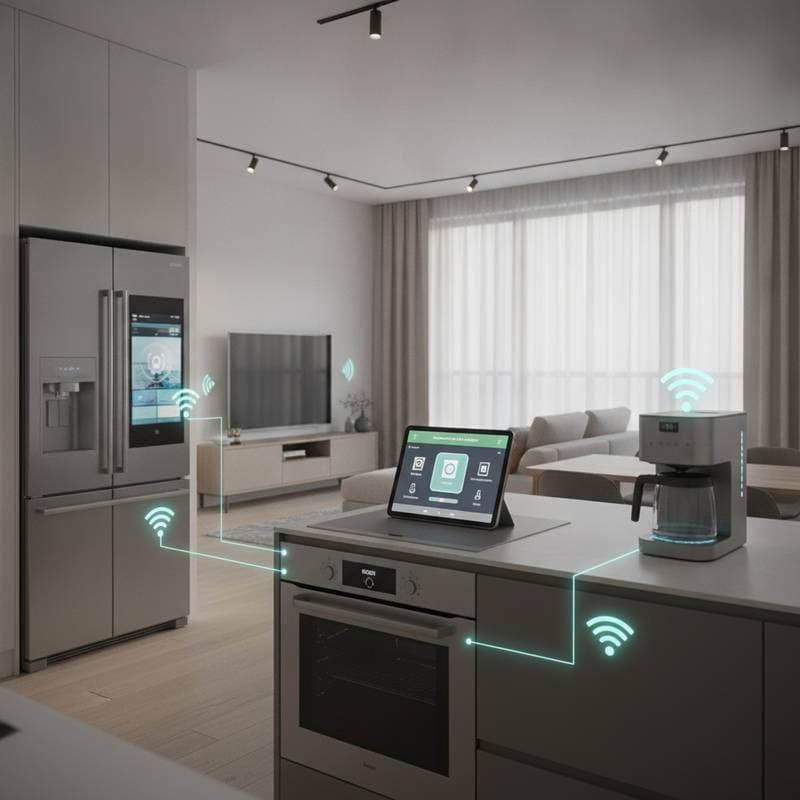
Smart Appliances Now Connect Seamlessly Without Hubs
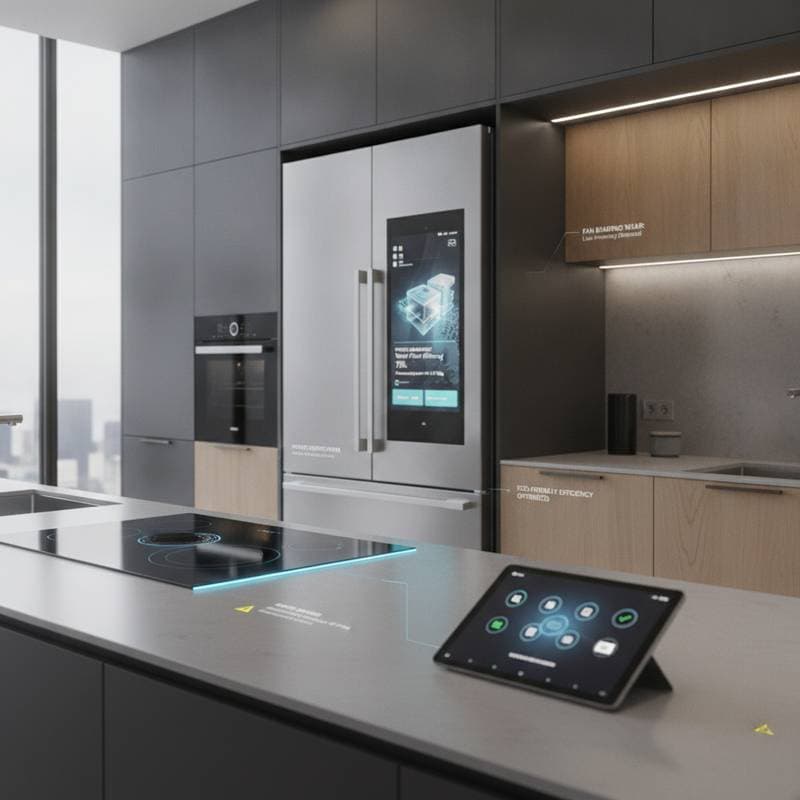
Imagine standing in your kitchen as coffee brews automatically. Your dishwasher completes its cycle while the refrigerator alerts you to low milk supplies. No extra hardware clutters the counter. No central hub disrupts the space. Everything operates in coordination across brands.
The Frustration of the Old Way
Early smart home users often managed multiple apps and separate hubs. One device needed a bridge while another required different hardware for voice control. Firmware updates frequently disrupted connections and turned appliances into expensive nonfunctional items.
The Shift to Hubless Connectivity
Manufacturers now embed Wi-Fi, Thread, and Bluetooth Low Energy radios directly into appliances. These components enable direct network connections and device-to-device communication. The Matter standard drives this change. Major platforms support it to deliver instant recognition between brands.
What This Means for You
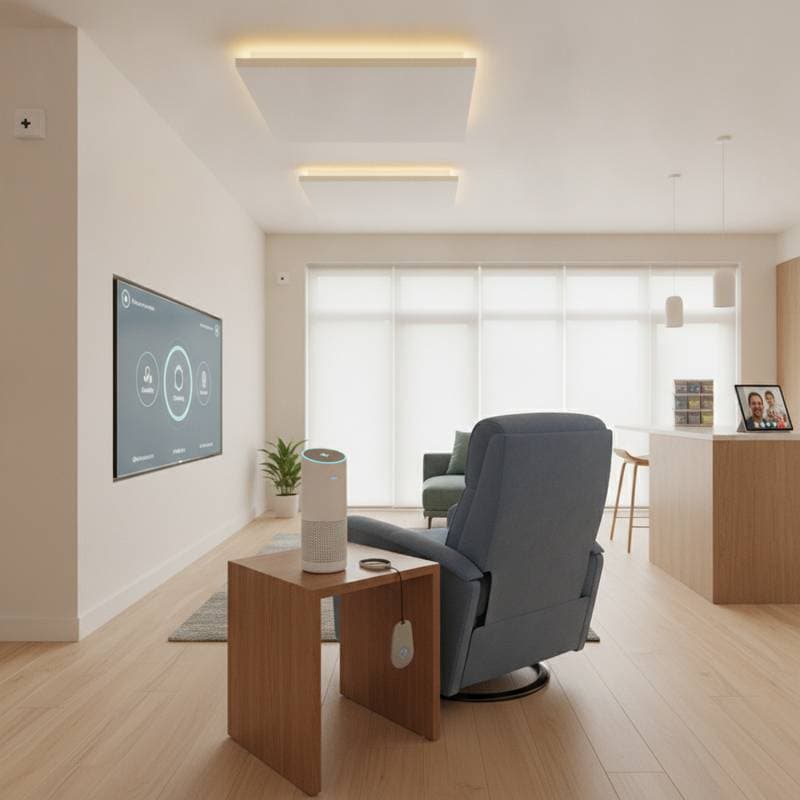
New appliances integrate with existing home networks. Users select control through Alexa, Google Assistant, or Apple Home without additional equipment. Commands such as starting laundry cycles or preheating ovens execute reliably across ecosystems.
Getting Started with Hubless Smart Appliances
Follow these steps to establish a hub-free setup.
- Verify Matter or Wi-Fi certification on product packaging before purchase.
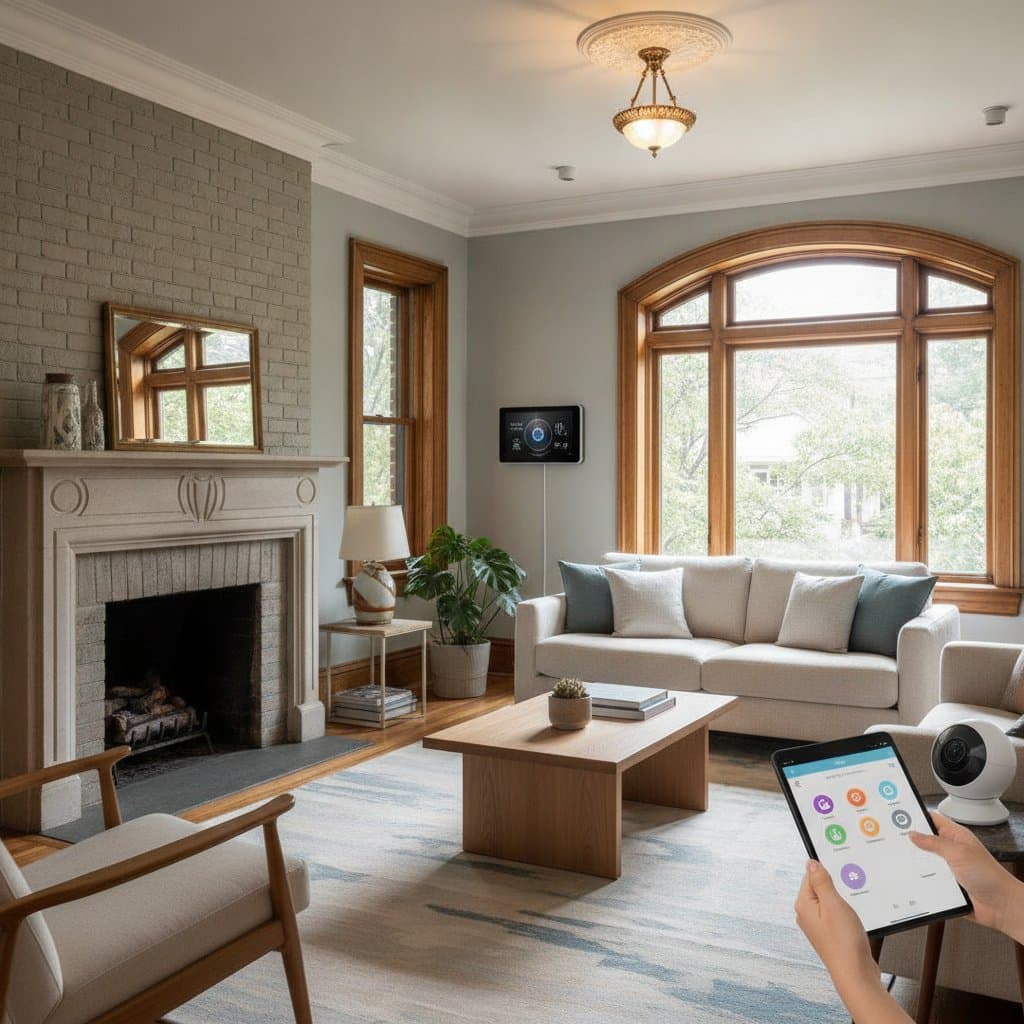
- Add devices through a single platform app by scanning the QR code.
- Build automations that link appliances, such as triggering coffee makers after morning alarms.
- Ensure strong router coverage with mesh systems if needed for consistent connections.
Real Devices That Work Without Hubs
Several models demonstrate practical hubless performance.
Budget Option: GE Profile Smart Plug-In Air Fryer ($149) connects via Wi-Fi for direct control through Google Home or Alexa.
Mid-Range Choice: LG ThinQ Smart Dishwasher ($899) supports scheduling and notifications across major platforms.
Premium Selection: Samsung Bespoke AI Oven ($2,999) uses sensors for automatic adjustments and coordinates with other devices through Matter.
Insider Tip: Use Your Router’s Guest Network
Assign smart appliances to a dedicated guest network. This separation enhances security and isolates performance issues from primary devices.
How Hubless Automation Improves Everyday Life
Appliances coordinate tasks such as inventory alerts and meal timing. The system reduces daily friction through consistent cross-brand experiences.
Practical Considerations Before You Buy
Assess budget ranges from entry-level models at one hundred dollars to premium units exceeding two thousand dollars. Confirm network strength with mesh upgrades where walls interfere. Verify platform support for desired features. Consult licensed professionals for hardwired installations.
The Long-Term Advantage of Hubless Systems
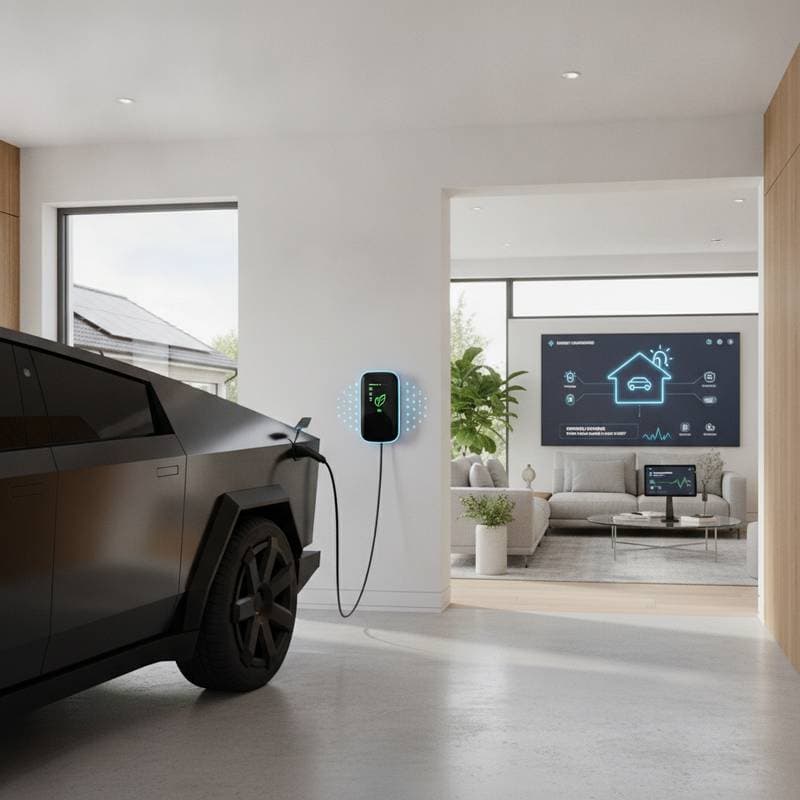
Direct connectivity eliminates single points of failure. Devices receive updates through manufacturer apps and maintain function during router changes. Gradual expansion remains straightforward.
Insider Tip: Watch for Firmware Updates and Beta Features
Review apps monthly for new routines or efficiency modes that become available after initial setup.
The Broader Impact on Sustainability
Sensors optimize water and energy use based on load or occupancy. Users track consumption through apps to refine habits and extend appliance life.
Your Next Steps
Select one appliance category aligned with daily routines. Engage certified installers through established matching services for proper configuration.
Living with Your Connected Home
The technology fades into background operation. Routines gain consistency as appliances anticipate needs without constant intervention.