When Smart Appliances Integrate with the Power Grid
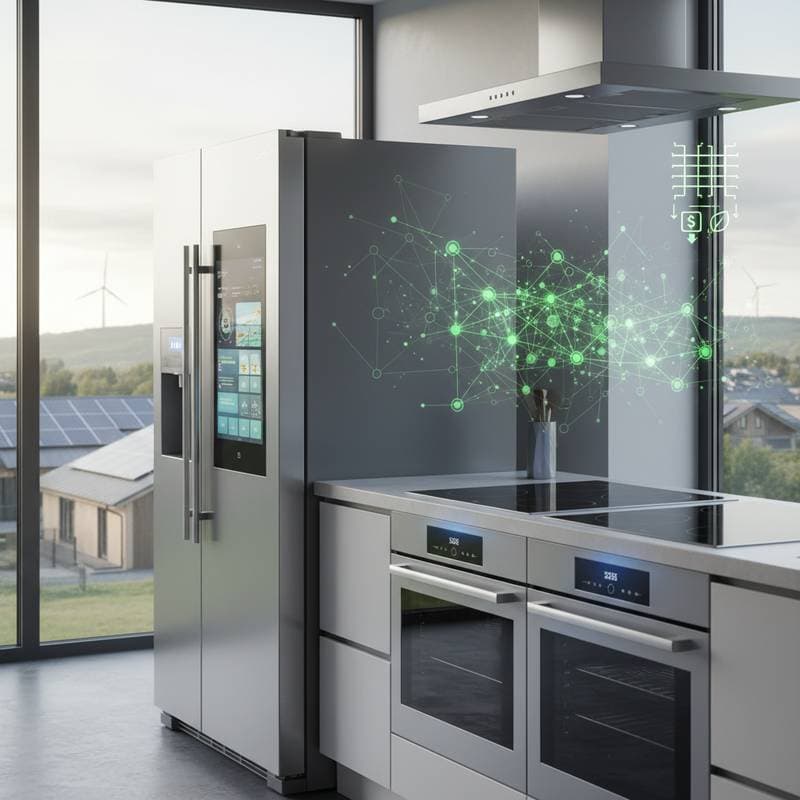
Picture this scenario: the dishwasher operates overnight as the utility shifts energy consumption to the most affordable and eco-friendly times. The refrigerator modifies its compressor cycle to sidestep peak demand periods, and the dryer activates only when local solar generation peaks. You arise to clean dishes, cooled groceries, fresh clothes, and a reduced electricity bill. This capability represents current reality, enabled by direct connections between smart appliances and the power grid.
The Importance of This Technology Today
Electricity rates fluctuate unpredictably, and the grid faces increasing pressure from rising adoption of electric vehicles, heat pumps, and renewable sources. Smart appliances provide a method to consume power more effectively without requiring ongoing oversight. These devices exchange information with utility providers and adjust operations based on demand signals, favoring off-peak or renewable-dominant intervals. Consequently, households achieve financial savings alongside contributions to a more reliable and environmentally sound grid.
The Mechanics of Smart Grid Integration
Fundamentally, grid-integrated appliances employ demand response mechanisms. During periods of elevated grid demand, these devices curtail or postpone their functions automatically. For instance, a smart water heater may preheat water earlier when rates are lower, retaining the warmth for subsequent needs.
Advanced models incorporate OpenADR compatibility, a universal protocol that facilitates communication between utilities and appliances. This standardization allows devices to interface with various energy suppliers beyond proprietary networks. If a household uses a smart thermostat or energy monitor, elements of this technology may already function seamlessly in the background.
Guide to Establishing a Grid-Responsive Home
-
Install a smart energy monitor. Options such as the Sense Energy Monitor, priced at approximately $300, or the Emporia Vue 2, around $150, provide real-time tracking of household power consumption. These instruments reveal peak usage patterns and pinpoint high-consuming appliances.
-
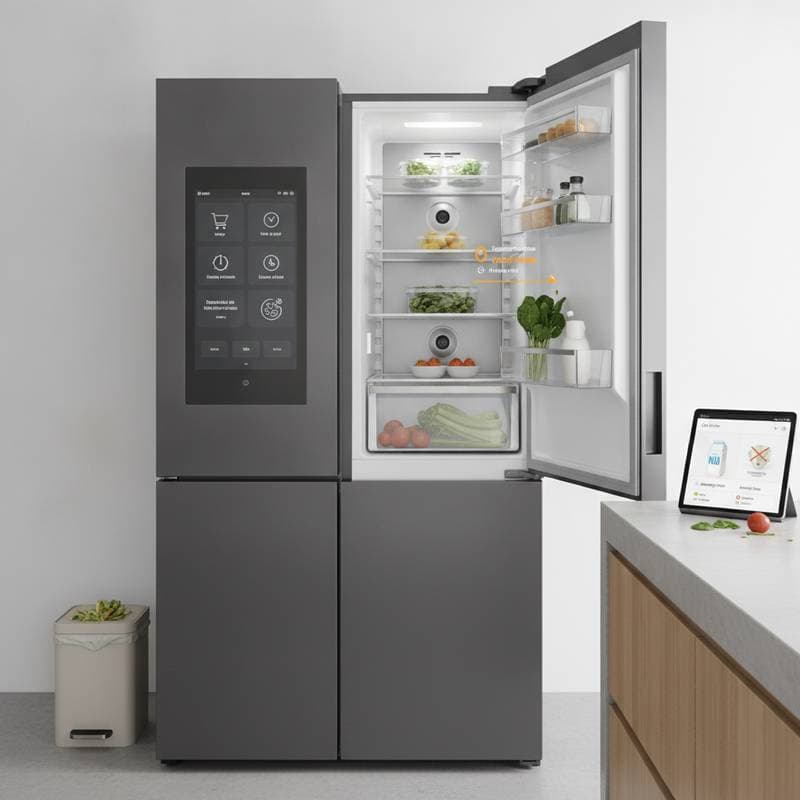
Select appliances with grid compatibility. Contemporary units like the GE Profile Smart Front Load Washer, costing about $1,200, or the LG ThinQ Refrigerator, near $1,800, feature built-in demand response functions. Look for ENERGY STAR Connected certifications to verify interoperability.
-
Enroll in utility programs. Numerous providers offer discounted rates for appliances that heed grid signals. Access enrollment via the utility app or online portal to enable these capabilities.
-
Implement a smart hub for automation. Systems including the Samsung SmartThings Station, at $80, or the Amazon Echo Hub, $180, unify appliances, lights, and thermostats for integrated energy oversight.
-
Adjust settings to match priorities. Appliance applications typically allow customization of response intensity to grid events, balancing factors like comfort, savings, or ecological benefits.
Initial Costs Versus Long-Term Savings
Grid-enabled appliances command a 10 to 20 percent premium compared to basic models. A conventional dishwasher may retail for $600, whereas a smart variant approaches $750. Nevertheless, energy reductions and utility rebates often recoup this investment. Providers frequently issue incentives for activating demand response or acquiring certified devices. Full participation in time-of-use pricing can yield 5 to 15 percent annual savings on electricity bills.
Additional Advantages and Practical Advice
A subtle perk of grid-connected appliances involves predictive maintenance. Through data sharing with utilities and manufacturers, systems detect efficiency anomalies promptly. For example, if a water heater's element operates longer than usual, notifications arrive before complete breakdown occurs.
Consider exploring virtual power plant initiatives, where utilities compensate participants for allowing appliances and batteries to aid grid stability. Early involvement in such programs delivers bill credits and early access to innovative features.
Ensuring Safety and Seeking Expert Advice
Verify that electrical wiring, outlets, and circuits support new appliances adequately. Installations for items like heat pump water heaters or induction cooktops often necessitate a licensed electrician. Request confirmation from professionals that configurations comply with local codes and that Wi-Fi security protects connected devices, given their reliance on uninterrupted network access.
Steps to Implement Grid Integration
Convert kitchens, laundry areas, and garages from mere power users into collaborative energy assets. For those envisioning comprehensive automation or seeking modest bill reductions, grid-communicative appliances present viable solutions. Begin with select devices to observe advantages, then scale accordingly. The true value emerges in the effortless adaptation of the home, conserving resources while preserving daily comfort.