Smart Appliances and the Grid: A New Era of Energy Efficiency
Smart appliances represent a significant advancement in home energy management. These devices connect to the power grid, allowing them to respond dynamically to energy demands and pricing signals. Homeowners benefit from reduced utility bills, enhanced reliability, and greater integration of renewable energy sources.
The concept relies on two-way communication between appliances and utility providers. Sensors and software within the appliances monitor real-time grid conditions. When electricity rates fluctuate or supply tightens, the devices adjust operations accordingly.
Understanding Smart Grid Integration
The smart grid functions as an intelligent electricity network that uses digital technology to monitor and manage energy flow. Traditional grids operate in one direction, from power plants to consumers. Smart grids enable bidirectional communication, incorporating data from weather forecasts, consumption patterns, and renewable inputs.
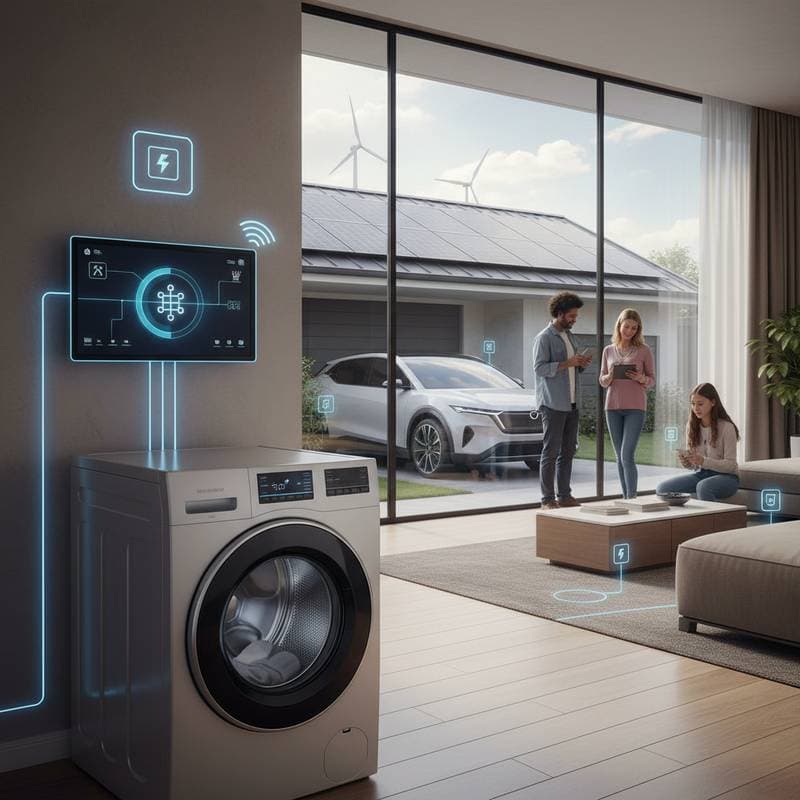
Appliances integrate with this system through home energy management platforms. These platforms often connect via Wi-Fi or dedicated networks to utility signals. For instance, during peak hours when demand surges, the grid sends a signal to delay non-essential appliance functions.
This integration prevents blackouts by balancing load across the network. Utilities reward participants with lower rates or credits, turning passive consumers into active contributors to grid stability.
How Smart Appliances Operate
Smart appliances employ algorithms to optimize energy use without compromising functionality. A washing machine, for example, receives grid data indicating low-cost off-peak periods. It schedules cycles to run during these times, completing tasks efficiently while minimizing expenses.
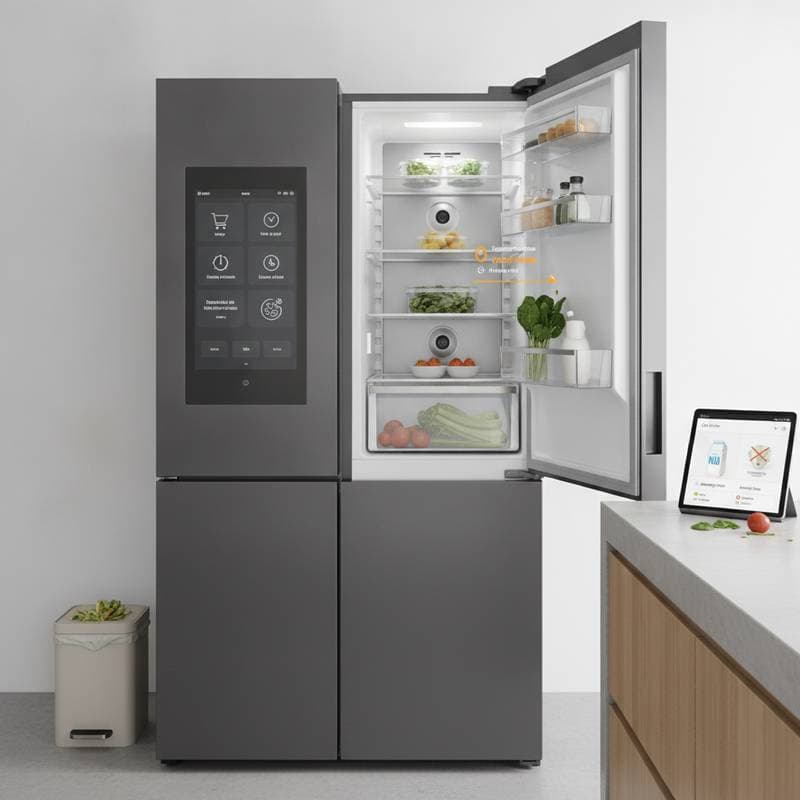
Refrigerators and air conditioners adjust temperatures slightly based on grid cues. They maintain safe levels but reduce power draw during high-demand periods. Electric vehicle chargers coordinate charging sessions to avoid straining the grid, often completing overnight when renewable sources like solar or wind are abundant.
These devices prioritize user preferences. Homeowners set boundaries, such as ensuring hot water availability or EV readiness by morning. The system respects these while seeking energy savings.
Specific Examples of Smart Appliances
Washing machines and dryers from leading manufacturers feature grid-responsive modes. They pause or shift operations to align with cheaper electricity windows, potentially saving 20 to 30 percent on laundry-related costs annually.
Smart thermostats control heating and cooling systems. Integrated with grid signals, they preheat or precool homes during low-demand times. This approach maintains comfort while cutting heating bills by up to 15 percent in variable climates.
Electric vehicles serve as mobile energy storage units. Bidirectional charging allows EVs to draw power when rates are low and even return excess to the grid during peaks, earning credits through programs like vehicle-to-grid (V2G).
Water heaters, often the largest energy consumers in homes, activate insulation modes during high rates. They heat water in advance and store it, ensuring supply without real-time usage.
Benefits for Homeowners and the Environment
Financial savings stand out as a primary advantage. By shifting usage to off-peak times, households reduce bills by 10 to 25 percent, depending on local rates and participation. Utilities offer incentives, further enhancing returns.
Reliability improves as smart appliances help prevent outages. Distributed load management reduces the risk of cascading failures during storms or heatwaves. Homes become more resilient, with backup strategies built into daily operations.
Environmental impacts prove equally compelling. These systems facilitate greater renewable energy adoption. Appliances ramp down fossil fuel reliance by aligning with solar and wind availability, lowering carbon footprints.
Communities benefit from reduced peak demand, decreasing the need for expensive peaker plants. Overall, smart integration promotes a sustainable energy ecosystem.
Steps to Implement Smart Appliances
Assess current appliances for smart compatibility. Many older models connect via retrofit devices or apps. Start with high-impact items like HVAC systems or water heaters.
Choose a home energy management system from reputable providers. Ensure it supports grid communication protocols, such as those from the OpenADR standard. Installation typically involves a one-time setup with professional assistance for complex integrations.
Enroll in utility demand-response programs. These often provide free or discounted smart devices in exchange for participation. Review terms to understand savings potential and any commitments.
Monitor performance through dedicated apps. Track energy usage, savings, and grid interactions to refine settings. Adjust based on household routines for optimal results.
Consider scalability. Begin with one or two appliances and expand as budget allows. Over time, a fully connected home maximizes efficiency.
Realizing Savings and Sustainability
Adopting smart appliances transforms energy consumption from a fixed cost to a manageable resource. Homeowners gain control, utilities achieve balance, and the planet sees reduced emissions. This technology paves the way for widespread energy independence.
As infrastructure evolves, expect even greater integration. Future homes will anticipate needs, automating adjustments seamlessly. The result: lower bills, reliable power, and a greener tomorrow.