Anticipating Pet Messes with Intelligent Robot Vacuums
Picture returning from work to discover your robot vacuum has encountered your dog's latest mishap. Pet owners recognize this frustration intimately. While robot vacuums eliminate much manual labor, they previously exacerbated surprises by distributing them further. Recent advancements in smart cleaning devices alter this dynamic entirely.
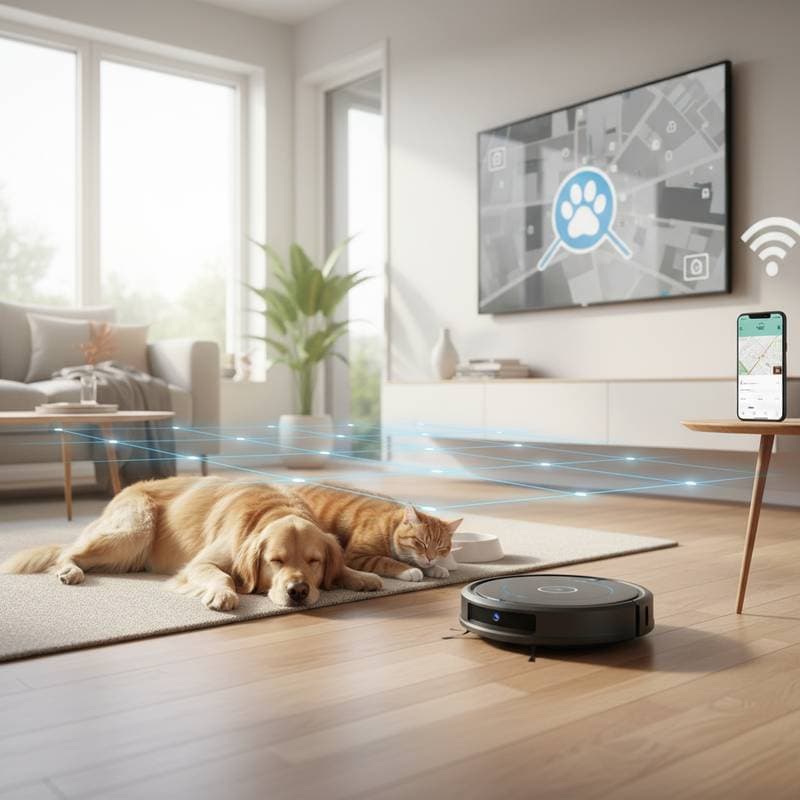
These innovative vacuums surpass basic navigation. They employ predictive algorithms to foresee pet-related incidents. Equipped with sophisticated sensors, they observe pet behaviors and adapt cleaning strategies accordingly.
Limitations of Conventional Robot Vacuums
Standard robot vacuums adhere to fixed timetables or basic floor plans. They traverse spaces to collect debris and fur, yet they lack real-time adaptability. Seasonal shedding increases or a cat disrupts the litter area, and the device remains unresponsive.
A primary drawback involves obstacle handling. Earlier versions detect barriers only upon contact, often smearing accidents or embedding toys into surfaces. This reactive approach prolongs cleanup efforts significantly.
Mechanics of Predictive Cleaning Technology
Predictive cleaning integrates sensors, imaging systems, and artificial intelligence to project mess locations and timings. The device monitors pet trajectories, habitual schedules, and favored areas. Gradually, it refines paths and frequencies based on observed data.
Consider a dog that rests by the entryway post-stroll. The vacuum schedules thorough cleaning there after the pet relocates. For a cat prone to litter dispersal, the system elevates attention to that vicinity without manual input.
Advanced units link with pet surveillance cameras. Detection of atypical actions, like restlessness near exits, triggers alerts and postpones operations. Users review feeds remotely, ensuring safe resumption. Such synergies highlight the fusion of cleaning tech with expansive home automation networks.
Leading Models Featuring Pet Prediction Capabilities
Several devices exemplify this evolution in automated cleaning. The following selections span price points and functionalities.
-
Affordable Selection: Eufy RoboVac X8 Hybrid ($550 approximate)
Powerful dual turbines provide robust suction, while laser guidance evades pet dishes and playthings. Though not fully prophetic, it identifies busy pet zones and modifies sweep intervals over time. -
Intermediate Choice: Roborock S8 Pro Ultra ($1,400 approximate)
Structured light detection distinguishes waste and minor items. It merges dry and wet cleaning, raising the mop upon carpet detection. The companion application supports pet-sensitive timetables, ideal for households with several animals. -
High-End Pick: iRobot Roomba Combo j9+ ($1,800 approximate)
Computer vision and foresight mapping pinpoint pet territories and project maintenance demands. It identifies waste preemptively and notifies owners. The automated emptying station and water reservoir sustain operation for extended periods with minimal oversight.
These devices align with platforms such as Alexa, Google Home, and Apple HomeKit. Users establish routines like halting during detected pet motion or initiating post-walk cycles via integrated commands.
Key Factors for Purchasing Decisions
Evaluate your residence's surfaces and configuration prior to selection. Dense carpets or cluttered arrangements demand superior evasion and routing capabilities. Budgets range from $500 to $2,000, influenced by aspiration strength, accuracy, and autonomy features.
In environments with numerous pets or recurrent incidents, prioritize waste evasion mechanisms. Position cameras and detectors optimally, accounting for illumination variations. Dim corridors might impair performance in even premium systems.
For electrical connections or device linkages, engage qualified professionals. Many opt for expert installation to unify appliances through centralized controls.
Establishing an Efficient Cleaning Ecosystem
Predictive features extend beyond ease; they foster reliability. Homeowners gain assurance against unforeseen floor hazards. The vacuum evolves into a perceptive partner attuned to domestic flows and animal tendencies.
Enhance this setup by pairing with systems like Furbo or Wyze Cam. Alerts for pet agitation allow schedule adjustments, ensuring cleaning occurs post-resolution. This holistic approach minimizes disruptions and maximizes hygiene.