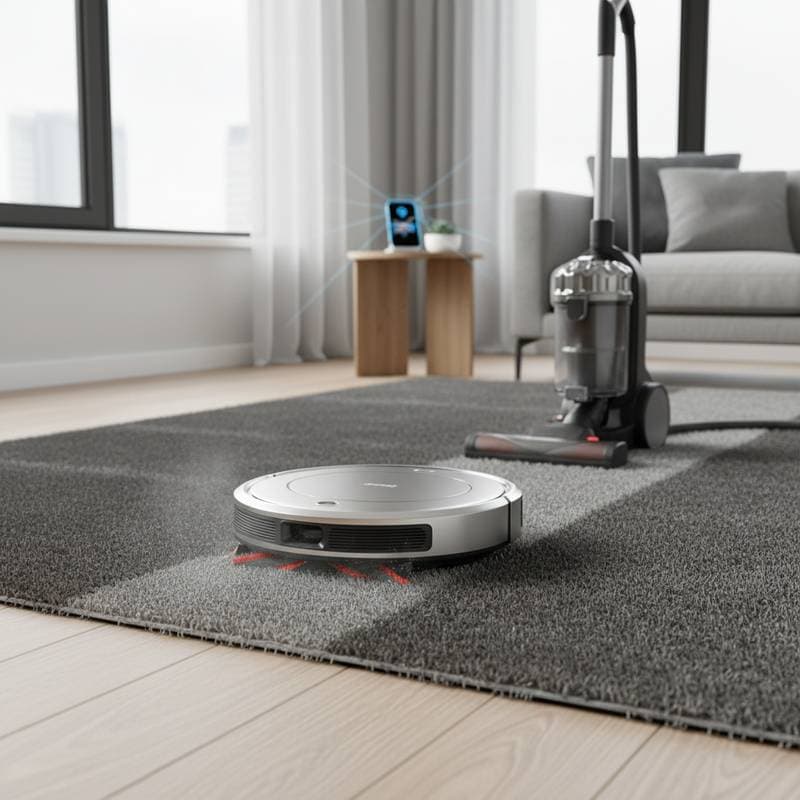
Imagine Never Wrestling With the Vacuum Again
You finish dinner, and crumbs scatter across the carpet fibers. The upright vacuum waits in the closet, bulky and loud, demanding at least thirty minutes of effort to clean the house. That hesitation highlights why robot vacuums have transformed household cleaning. They deliver hands-free performance without compromising deep carpet cleaning.
What began as a novelty now competes directly with traditional uprights in suction, precision, and convenience. The latest models feature enhanced power to extract embedded dirt and pet hair from dense carpet piles. Homeowners increasingly retire their uprights in favor of these efficient alternatives.
Challenges of Traditional Upright Vacuums
Upright vacuums excel in direct suction via rotating brush rolls and targeted cleaning in high-traffic areas. However, they present significant drawbacks. These machines prove heavy, noisy, and difficult to store, especially in multi-story homes where transporting them upstairs requires substantial effort.
Uprights demand active involvement. Users must plan sessions, shift furniture, and monitor for cords or rugs to prevent mishaps. In busy households, this chore often falls to the bottom of the priority list, leading to inconsistent cleaning.
Evolution of Smart Cleaning Robots
Early robot vacuums navigated clumsily, colliding with walls and snagging on cords. Contemporary models employ advanced sensors, AI-driven mapping, and robust brushless motors to manage high-pile carpets and fine dust effectively. Features like self-emptying docks and real-time obstacle avoidance further enhance their capabilities.
Autonomy defines their value. Users establish a schedule once, and the device operates independently. Integration with Alexa, Google Home, and Apple HomeKit enables voice-activated starts or app controls from remote locations.
Key insight: Effective deep carpet cleaning relies on brush design alongside suction. Premium robots incorporate dual multi-surface brushes that rotate in opposite directions to dislodge dirt, mimicking the agitation of full-size uprights for thorough results beyond mere surface collection.
Mechanisms for Deep Carpet Cleaning in Robots
Achieving deep carpet cleaning involves more than raw suction. It requires integrated components that extract debris from fibers while optimizing airflow. The following elements enable modern robots to perform at this level:
- Adaptive suction control: Sensors identify carpet thickness and adjust motor speed to sustain optimal suction.
- Dual brush systems: Rubber and bristle rollers work from multiple angles to lift dirt and minimize clogs.
- Carpet boost technology: Upon detecting carpet, the device amplifies suction temporarily, then reduces it on hard floors to extend battery life.
- Precision edge cleaning: Side brushes direct debris to central rollers, covering corners and baseboards comprehensively.
- Smart mapping: LiDAR or 3D sensors generate precise room layouts, streamlining paths and eliminating redundant coverage.
Together, these innovations allow robots to equal or exceed uprights in routine floor maintenance.
Model Comparisons Across Price Tiers
Robot vacuums accommodate diverse budgets, from introductory units to advanced systems. Select based on your home size, flooring variety, and desired automation.
Budget-Friendly: Wyze Robot Vacuum (Approximately $200)
This model provides 2100 Pa suction, LiDAR navigation, and app-controlled zone cleaning. It suits apartments or small homes with mixed surfaces. Performance remains solid for the cost, though it omits self-emptying and may falter on very thick rugs.
Mid-Range: Roborock Q7 Max+ (Approximately $480)
Equipped with a self-emptying dock, 4200 Pa suction, and a hybrid mopping function, this unit excels in multi-level mapping and carpet handling. App integration ensures reliable control. It delivers strong automation at an accessible price point.
Premium: iRobot Roomba Combo j9+ (Approximately $1,400)
Featuring dual rubber brushes, an automatic mop lift, and a self-cleaning base, this flagship learns user patterns via iRobot OS to focus on busy zones. Its suction rivals leading uprights on medium to high-pile carpets.
All options support voice commands and scheduling, allowing customization for daily traffic or seasonal adjustments.
Key Factors to Evaluate Before Purchase
Assess your flooring composition, furniture arrangement, and upkeep preferences prior to selection.
Carpet Type: For thick shag or deep pile, prioritize models with carpet boost and 4000 Pa suction or higher. Basic units handle surface debris but may overlook embedded particles.
Battery Life: In larger spaces, choose devices offering 150 minutes per charge or auto-recharge capabilities to complete sessions uninterrupted.
Allergen Management: Opt for self-emptying bases with HEPA filters to contain dust during disposal, benefiting allergy-prone environments.
Maintenance Needs: Robots require periodic bin emptying, brush cleaning, and sensor wiping. Perform these tasks biweekly to sustain efficiency.
Noise Levels: Powerful suction generates sound; select quiet modes for daytime use or time runs for quieter periods.
Safety Measures: Clear floors of cords, curtains, and toys before operation. Verify virtual barriers or drop sensors for multi-level homes.
Assessing Cost and Long-Term Value
Prices range from $200 for entry-level reliability to $1,400 for multifunctional premium units. Though the initial investment exceeds many uprights, the time savings justify it rapidly.
View it as reclaiming hours. Daily robotic sessions can eliminate two to three weekly manual cleans, accumulating to substantial annual gains. Minimal electricity consumption and consistent upkeep prolong carpet condition, decreasing professional service frequency.
Key insight: Frequent robotic cleaning removes abrasive grit that erodes fibers, thereby extending carpet durability and maintaining its appearance.
Seamless Integration Into Smart Home Systems
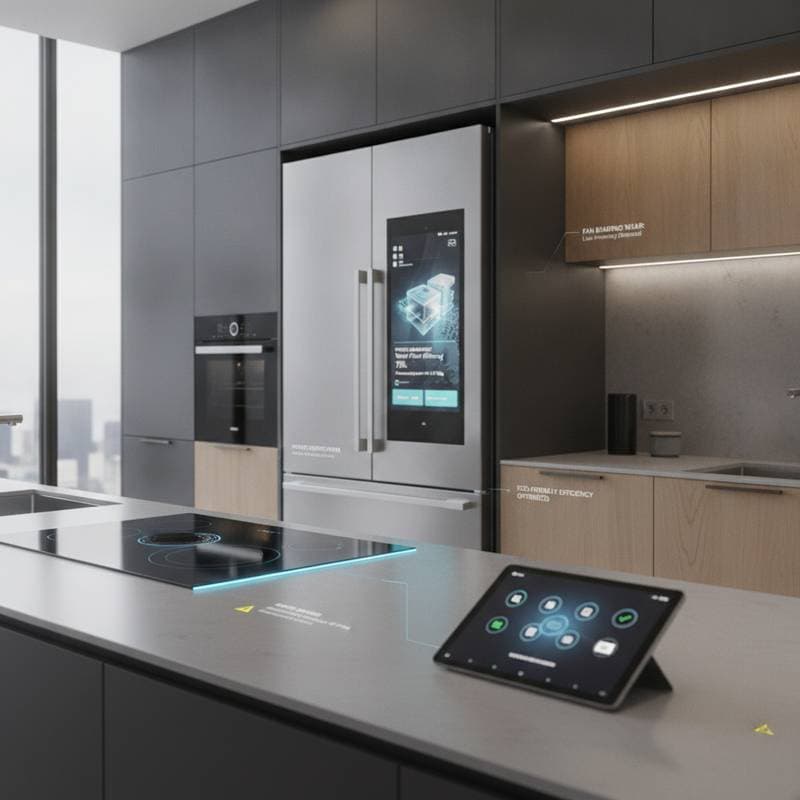
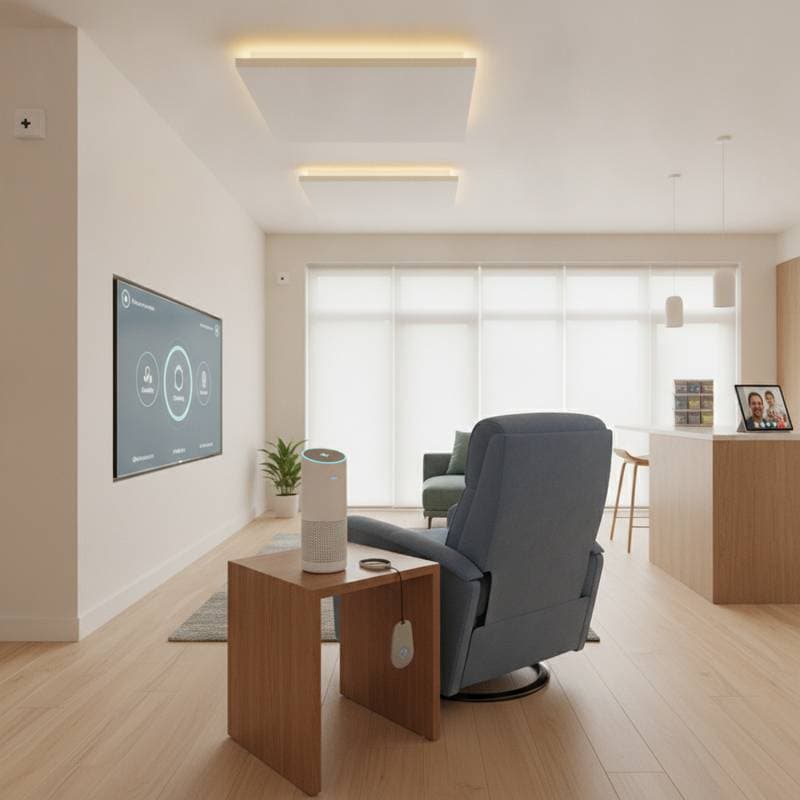
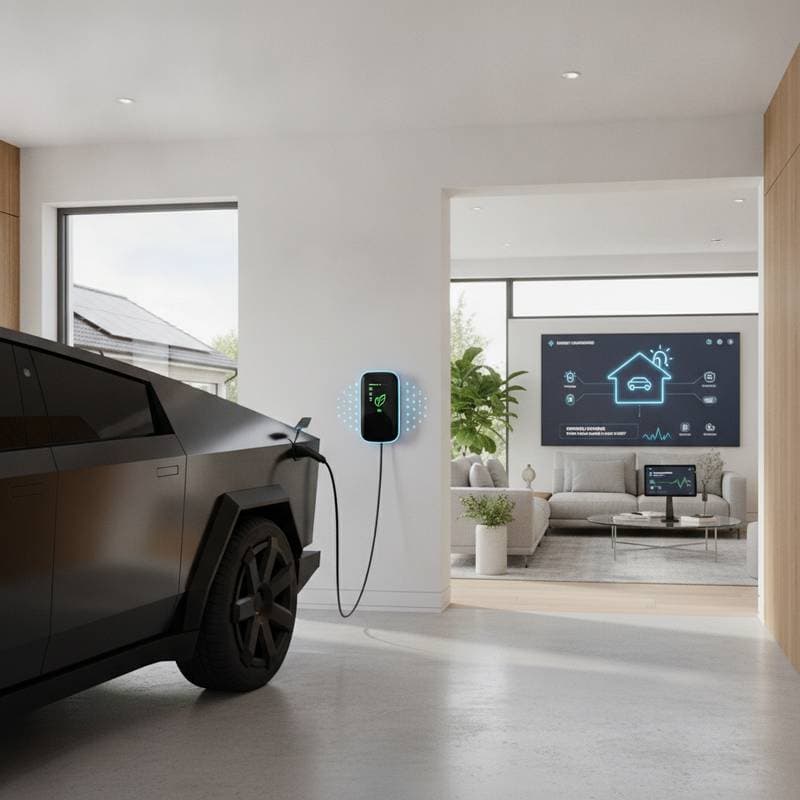
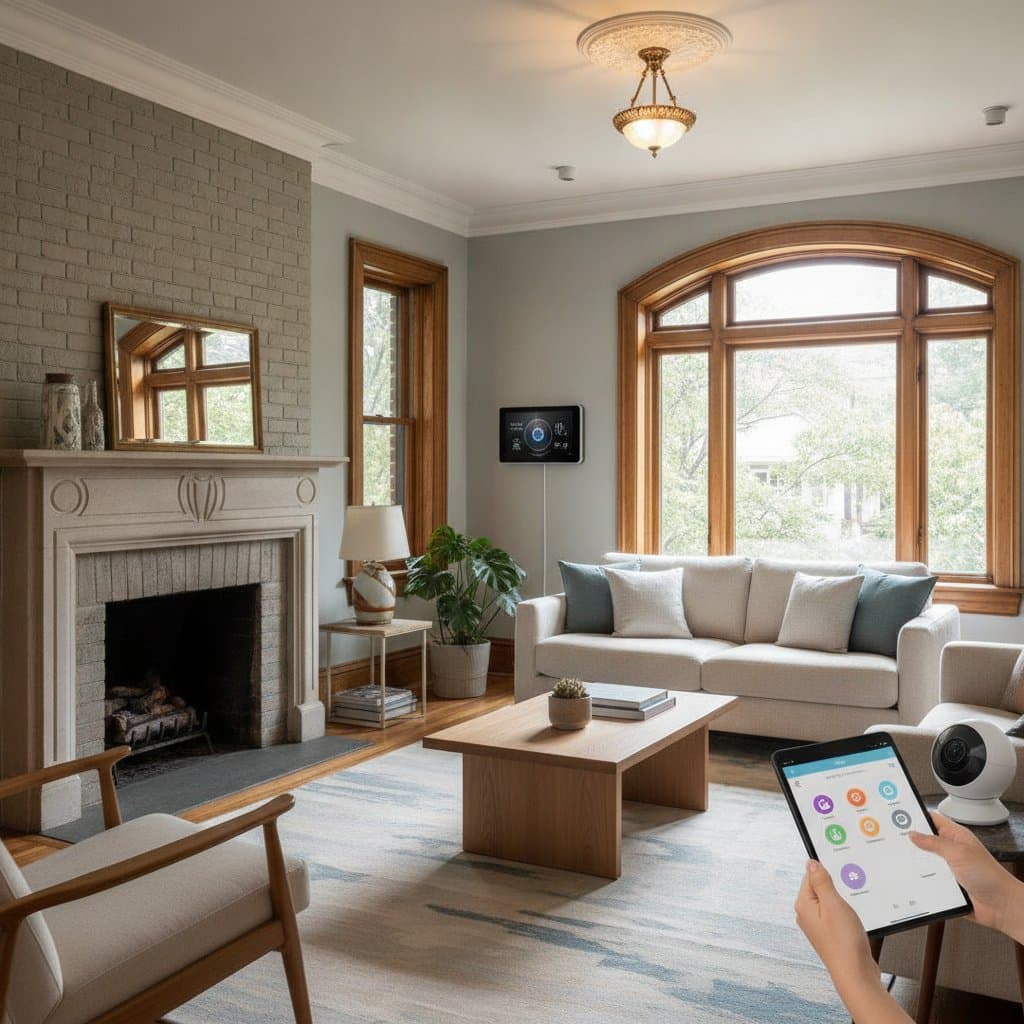
Within a connected ecosystem, robot vacuums enhance overall automation. Link them to smart locks for post-departure cleaning or motion sensors for mid-session pauses.
Supported platforms include:
- Alexa: Commands such as "Vacuum the living room."
- Google Home: Routines aligned with calendars or alarms.
- Apple HomeKit: Triggers based on location or schedules.
Advanced setups enable device synergy, like activating the vacuum when an air purifier signals elevated dust levels, fostering a self-sustaining environment.
Establishing Practical Expectations
Robot vacuums impress with capabilities, yet limitations persist. They do not ascend stairs or address upholstery. Supplementary handheld or stick vacuums may prove necessary for edges, curtains, or vehicles.
For floor care, their reliability matches or surpasses manual methods. Methodical mapping ensures comprehensive coverage without human oversight. Optimal outcomes arise from regular operation, ideally daily or bi-daily, to curb accumulation and refine navigation.
Maintenance and Troubleshooting Essentials
Sustained performance demands routine care. Follow these steps:
- Empty bins frequently in non-self-emptying models.
- Clean main brushes weekly to clear hair and debris.
- Wipe sensors and lenses with a dry microfiber cloth.
- Inspect wheels and bearings for obstructions affecting mobility.
- Replace filters every few months to preserve suction.
For navigation glitches, remap rooms or clean sensors. Charging failures often stem from dusty dock contacts; clean them to resolve.
Building a Comprehensive Smart Cleaning Routine
After adopting a robot vacuum, consider expanding to complementary devices like smart mops or air purifiers. This combination tackles floors and airborne allergens holistically.
For setup assistance or integrations, explore vetted professionals via specialized marketplaces to tailor your system.
Experiencing Effortless Home Maintenance
Adopting a robot vacuum alters daily life profoundly. Floors stay pristine, enhancing the home's overall ambiance. Barefoot walking becomes comfortable, dust motes diminish in sunlight, and pre-guest tidying loses urgency.
In pet- or child-filled homes, the impact amplifies. Scattered food, fur, and outdoor dirt yield to background automation, freeing time for priorities.
Steps to Upgrade Your Cleaning Routine
Skepticism about robots replacing uprights fades with current technology. Deep carpet cleaning occurs automatically, elevating home care to effortless efficiency.
Common Questions
Do robot vacuums work well on thick carpets? Yes, models with adaptive suction and dual brushes extract embedded dirt effectively, often matching upright performance.
How often should I run the robot? Daily or every other day prevents buildup and optimizes sensor accuracy.
Are they suitable for pet owners? Absolutely; strong suction and anti-tangle brushes handle hair without frequent intervention.
What if the robot gets stuck? Clear obstacles and update maps; most include anti-drop sensors for safety.