Robot Vacuums Deliver Professional Carpet Cleaning Results
Smart homes transition from optional features to essential components of daily life. Central to this change is the robot vacuum, a device that has undergone significant reinvention. Previously limited to surface-level cleaning and occasional obstacles, these machines now compete directly with professional carpet cleaning services through advanced sensors, accurate mapping, and robust suction mechanisms. This progress reshapes perspectives on hygiene, ease, and routine upkeep.
Evolution from Simple Devices to Advanced Cleaners
Initial robot vacuums operated via random paths, frequently overlooking edges and retaining debris. Their value lay in basic automation rather than thorough performance. Current models employ sophisticated navigation, variable suction, and learning algorithms to produce outcomes akin to expert cleaning.
Consumer data indicates that approximately half of homeowners possess at least one automated cleaning tool. This trend underscores the rising demand for convenience in contemporary residences. These vacuums perceive their surroundings, analyze conditions, and refine operations according to floor composition, soil intensity, and daily schedules.
Precision Mapping and Navigation Systems
Mapping technology forms the core of this advancement. Robots no longer navigate by trial and error against furniture. Instead, they utilize laser sensors and cameras to generate instant home layouts. These layouts track cleaned zones, identify dirt-prone spots, and prioritize demanding areas.
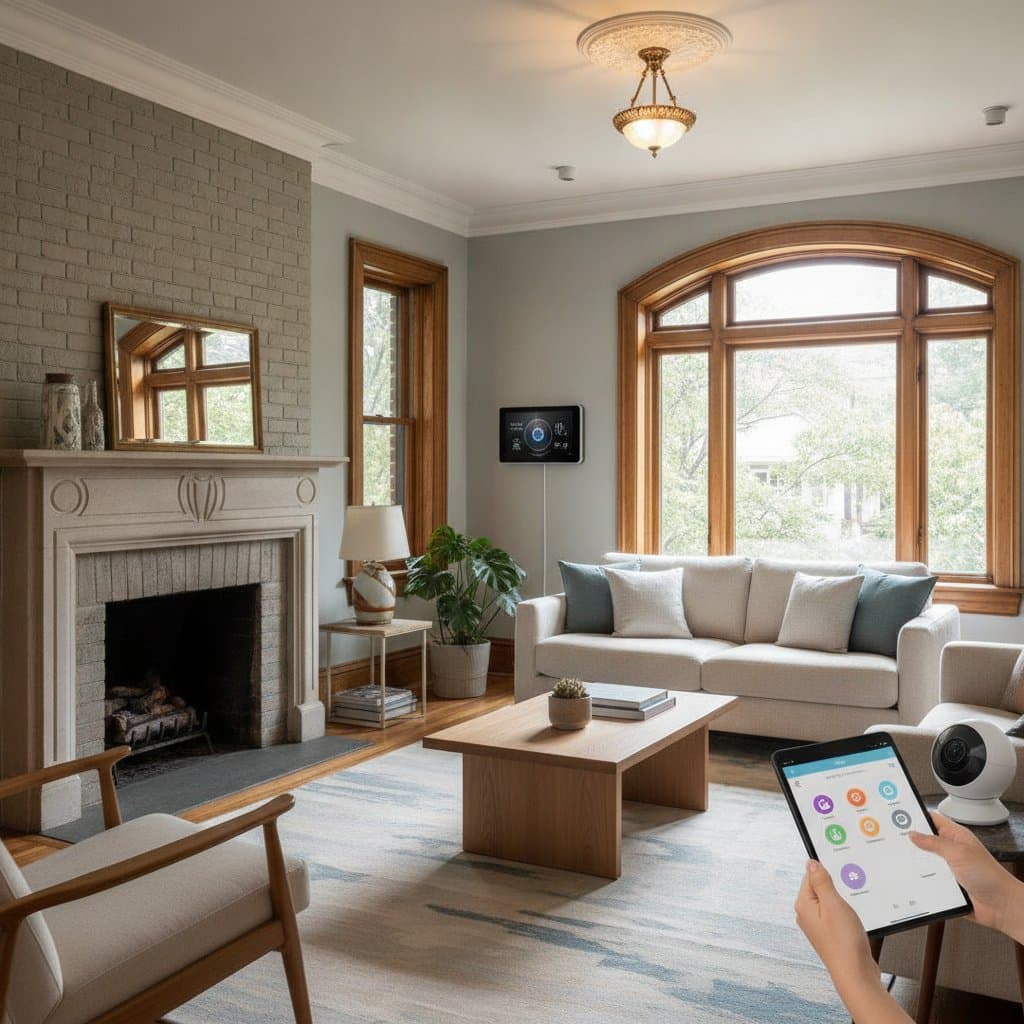
Users gain enhanced oversight via mobile applications. Individuals can establish virtual barriers, program room-specific sessions, or designate restricted zones. Certain models adapt to rearrangements, such as seasonal decor shifts, by updating paths independently. Consequently, cleaning proceeds with purpose, resembling directed effort rather than aimless repetition.
Adaptive Suction for Varied Surfaces
Carpet weaves conceal dust, allergens, and fur beneath the surface. Experts deploy extractors to retrieve such residues. Today's robot vacuums replicate this via sensors that assess flooring and modulate suction in real time.
Transitioning from wood to carpet prompts heightened power to extract lodged particles. On smoother surfaces like tile, power decreases to conserve energy and safeguard finishes. Select units feature paired brushes that stir fibers, releasing dirt much like steam extraction methods.
Such targeted cleaning boosts sanitation and preserves carpet durability. Reduced abrasion maintains pile integrity, minimizing the necessity for regular professional interventions.
Combined Vacuuming and Mopping Capabilities
Limitations to dry cleaning have ended. Integrated systems distribute water precisely and employ oscillating pads for effective scrubbing. These mechanisms apply uniform force and hydration selectively, avoiding mere surface wiping.
Hybrid variants detect carpets and elevate mopping elements to avert moisture damage. Others alternate functions during sessions, vacuuming first then mopping systematically. This integration elevates routine care to professional standards.
Envision a device managing comprehensive floor treatment amid your daily activities. It addresses carpets, polishes hard floors, and services itself by emptying waste and replenishing fluids. Such independence, once speculative, now aligns with standard expectations.
Automated Maintenance and Sanitization
Past models required frequent intervention, such as bin emptying and brush detangling, which undermined their appeal. Innovations include auto-emptying bases and antimicrobial elements. A unit can process an entire residence, deposit refuse into a capacious, sealed container lasting weeks, and resume operations.
Premium options incorporate UV treatment or odor-neutralizing filters for superior air quality. These enhancements prioritize health alongside time savings, fostering environments that demand minimal oversight.
AI-Driven Adaptation and Prediction
Distinguishing elements include machine learning from user patterns. Devices observe routines, such as post-meal kitchen traffic, and time cleanings accordingly. High-traffic periods prompt intensified efforts in active zones.
This foresight optimizes resource use and user experience. Vacuums preempt rather than respond to disarray. Within broader networks, they synchronize with devices like climate controls, aligning tasks to presence or usage data. Homes thus operate as adaptive, customized systems.
Sustainable Design and Efficiency
Eco-conscious engineering influences development. Efficient motors, reusable components, and extended batteries reduce environmental impact. Intelligent charging prevents excess power draw.
Homeowners benefit from lower utility costs and fewer replacements. Achieving cleanliness with diminished resource use advances responsible practices.
Seamless Voice and App Controls
Integration with voice systems enhances accessibility. Commands initiate room-specific or intensive cleanings effortlessly. Applications provide analytics, logs, and live monitoring.
Visual feeds display progress, allowing interventions or directives. This transparency builds trust in automated processes, ensuring control without complexity.
Achieving Expert Outcomes at Home
The divide between consumer tools and service providers narrows steadily. Deep-action brushes, multi-path suction, and moisture management yield refreshed, residue-free carpets. Pet owners and allergy sufferers gain reliable, consistent maintenance.
Fewer professional visits suffice, as regular deep cleans sustain quality. This reliability supports healthier indoor atmospheres for diverse households.
Integration Within Smart Home Networks
These vacuums extend into comprehensive setups, linking with purifiers, vents, and detectors. Dust alerts activate cycles; departure signals commence routines.
Unified operations simplify management, yielding intuitive spaces attuned to occupant needs.
Embracing Intelligent Home Hygiene
Advanced robot vacuums elevate maintenance to expert tiers, surpassing mere tidying for comprehensive care. They align with individual rhythms, operating discreetly to enhance well-being.
Future iterations promise intensified capabilities, deeper connectivity, and greener profiles. Homeowners discover liberation from manual labor through devices that match professional efficacy.
Selecting and Implementing Your System
Upgrade considerations should emphasize adaptive features, mapping accuracy, and self-servicing. Verify alignment with existing smart platforms. Evaluate how these tools integrate into your routine for maximum simplification.
Effortless hygiene yields pristine surfaces, improved air, and reclaimed time. Intelligent cleaning prioritizes consistency, personalization, and user-centered design.