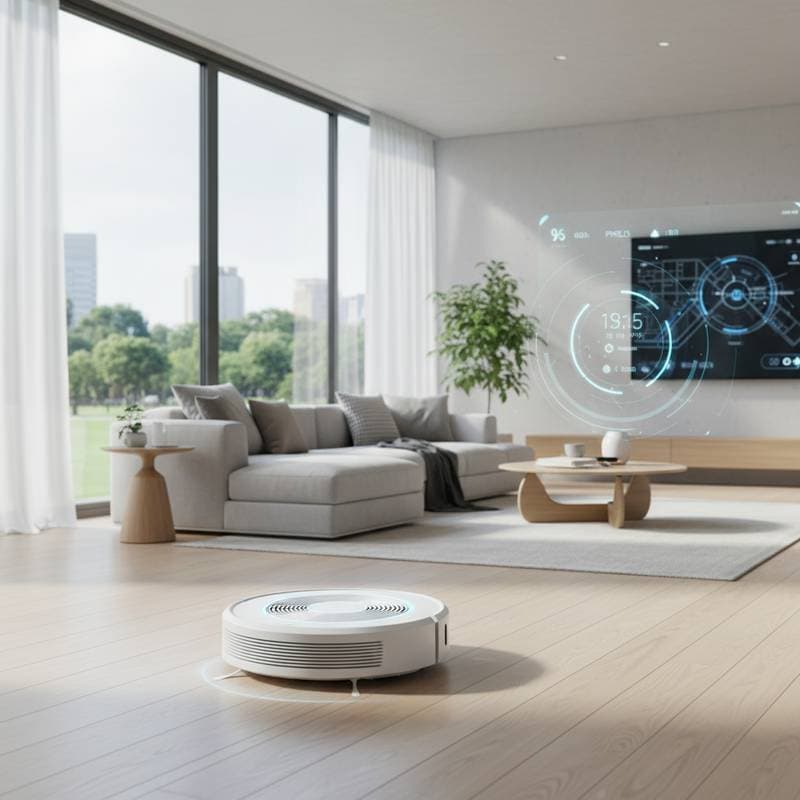
Robot Vacuums with Air Purifiers Rule Smart Homes
Smart homes evolve from novelty to necessity, and this shift appears most clearly in indoor cleaning and air quality management. The latest generation of robot vacuums sweeps floors while purifying the air simultaneously. These hybrid devices serve as the core of connected living, replacing several machines with one intelligent system that fosters cleaner, healthier homes with little user effort.
The concept may appear futuristic, yet the trend already alters perceptions of daily chores. Compact robotics, robust filters, and intelligent sensors merge into a unified experience. The outcome includes a home environment that controls dust, allergens, and debris, while adapting to user habits through automatic adjustments.
The following sections outline key trends explaining the dominance of robot vacuum and air purifier combinations in smart homes, along with implications for comfort, convenience, and health.
1. Dual-Purpose Design Becomes the New Standard
A single device that cleans floors and purifies air may have seemed ambitious recently. Today, such dual-function robots integrate suction, filtration, and air circulation within one compact unit.
Homeowners prioritize simplicity. One appliance addresses both surface and airborne cleaning, eliminating the need to manage multiple devices. Consumer electronics analysts report that demand for multifunctional home cleaning tools has nearly doubled based on recent survey data.
Brands such as Ecovacs and Roborock offer vacuum models equipped with HEPA-grade filters and integrated air purification modules. These units remove fine dust particles during cleaning cycles, sustaining indoor air quality without a standalone purifier.
2. Smarter Sensors Detect More Than Dirt
Early robot vacuums relied on basic bump sensors for navigation. Advanced models now employ environmental mapping and air-quality detection. These sensors pinpoint areas with elevated dust or pollen concentrations and direct cleaning efforts accordingly.
Allergy sufferers and pet owners gain from this targeted approach. The robot adjusts suction or purification intensity using real-time data, keeping air and floors consistently fresh.
The newest Dreame and LG models incorporate particulate sensors for air purity monitoring. Companion apps display live readings, providing users with greater control and insight into their indoor surroundings.
3. AI-Driven Personalization
Contemporary robot vacuums extend beyond automation to adaptation. Artificial intelligence enables these devices to learn user habits, schedules, and preferences. Over time, they anticipate cleaning or purification needs based on patterns.
Users avoid manual timer settings as the robot makes proactive choices. It activates after meals to handle crumbs or ramps up air purification during high-pollen periods. This level of customization turns cleaning into an unobtrusive process.
iRobot's recent models apply machine learning to map homes and analyze traffic patterns. Paired with air sensors, they prioritize rooms prone to dust accumulation or odors.
4. Unified Smart Ecosystems
Integration represents an expectation rather than an option for smart home users. Devices must interact with voice assistants, thermostats, and lighting systems. Robot vacuums with air purifiers integrate seamlessly into these networks.
Connected systems coordinate energy use and comfort without intervention. The purifier activates when outdoor air quality declines, or the vacuum commences upon departure for work.
Models compatible with the Matter standard enable synchronization across platforms. Users control cleaning routines via a single app or voice command, irrespective of brand.
5. Focus on Wellness and Indoor Health
Clean floors provide satisfaction, but clean air supports essential well-being. With increased indoor time, air quality awareness rises. Robot vacuums with purifiers align with this wellness-oriented lifestyle.
These devices capture allergens, bacteria, and fine particles that conventional vacuums often redistribute. Dual filtration systems, including HEPA filters, trap microscopic pollutants, promoting better sleep and reduced respiratory issues.
Dyson's hybrid prototypes emphasize air purification performance, employing laser-based particle detection to confirm improved air quality post-cycle. This blend of cleaning and health technology signals a move toward wellness-centric homes.
6. Energy Efficiency Meets Sustainability
Performance must pair with efficiency. Robot vacuums with purifiers consume less power while delivering robust suction and airflow. Eco-modes adapt energy use to room size or air quality conditions.
Consumers consider environmental impact and utility expenses. Automated cleaning at optimized levels advances sustainable practices without sacrificing effectiveness.
Samsung and Narwal's latest models claim up to 30 percent energy savings via adaptive power management, demonstrating harmony between sustainability and convenience in smart cleaning.
7. Compact Design and Quiet Operation
Initial robot vacuums faced challenges with noise and size. Current hybrids prove smaller, more streamlined, and significantly quieter. They suit apartments and open-plan residences equally well.
Quiet operation permits nighttime or work-hour use without disruption. Compact builds enhance access under furniture and into tight corners.
The Roborock Qrevo series features a refined motor and sound-dampening vents for powerful suction at low noise levels. The silent purifier integration allows the device to operate unobtrusively in daily routines.
8. Automation That Extends Beyond Cleaning
These robots connect to broader environmental controls. Some models initiate air conditioning or humidity adjustments using collected data. Within a smart home network, they function as mobile environmental monitors.
The distinction between cleaning tools and home assistants blurs. A robot handling floors and air contributes to energy optimization and comfort regulation.
Xiaomi units share air quality metrics with linked thermostats, enabling automatic ventilation changes. Such connectivity yields healthier, more efficient spaces with minimal user involvement.
9. Growing Consumer Trust and Adoption
Skepticism greeted early robot vacuums regarding their power and dependability. Stronger suction, self-emptying bases, and proven longevity now build confidence. Air purification enhances their attractiveness further.
Market research indicates consistent growth in smart cleaning, driven by hybrid innovations. Familiarity with automation encourages investment in versatile robots that deliver tangible benefits.
Online reviews from combo device owners frequently highlight replacement of traditional vacuums and purifiers, praising convenience and enhanced air freshness.
10. Continuous Learning Through Software Updates
Manufacturers view robot vacuums as dynamic platforms, not fixed appliances. Firmware updates refine navigation, efficiency, and purification precision. Devices improve intelligence over time.
Owners extend device relevance without frequent replacements. Updates sustain performance and introduce new capabilities, boosting long-term value.
Ecovacs releases updates enhancing air sensor accuracy and path optimization from user input. This model parallels smartphone evolution, preserving utility well beyond initial purchase.
Integrating Hybrid Devices for Everyday Wellness
Hybrid robot vacuums with air purifiers elevate smart homes by simplifying maintenance and enhancing health. Select models based on integration needs and specific air quality goals. Regular updates ensure ongoing improvements, making these devices reliable partners in creating balanced living environments.