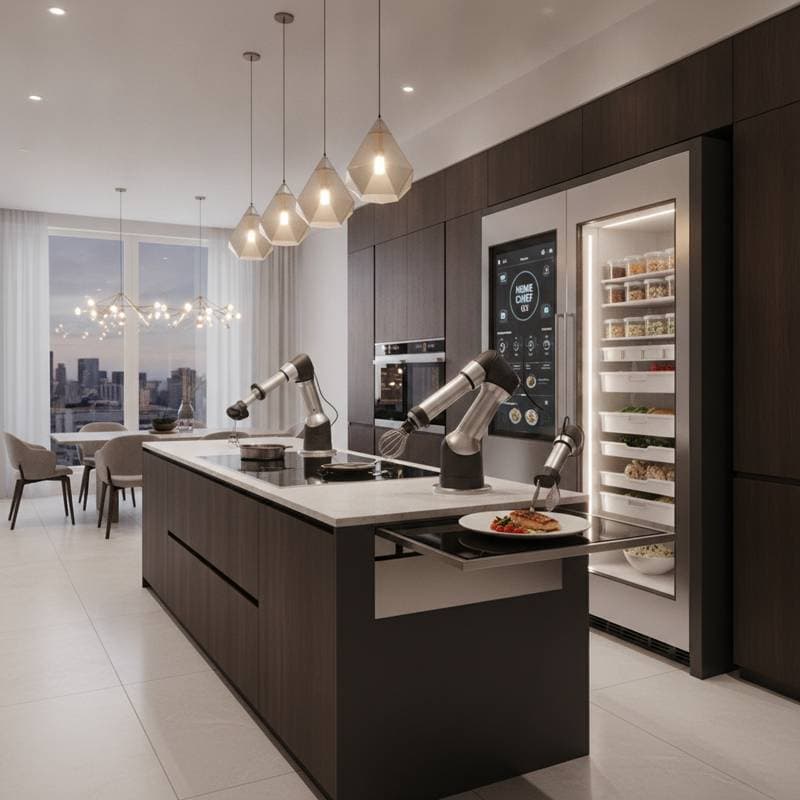
Robot Chefs Deliver Restaurant Quality Meals at Home
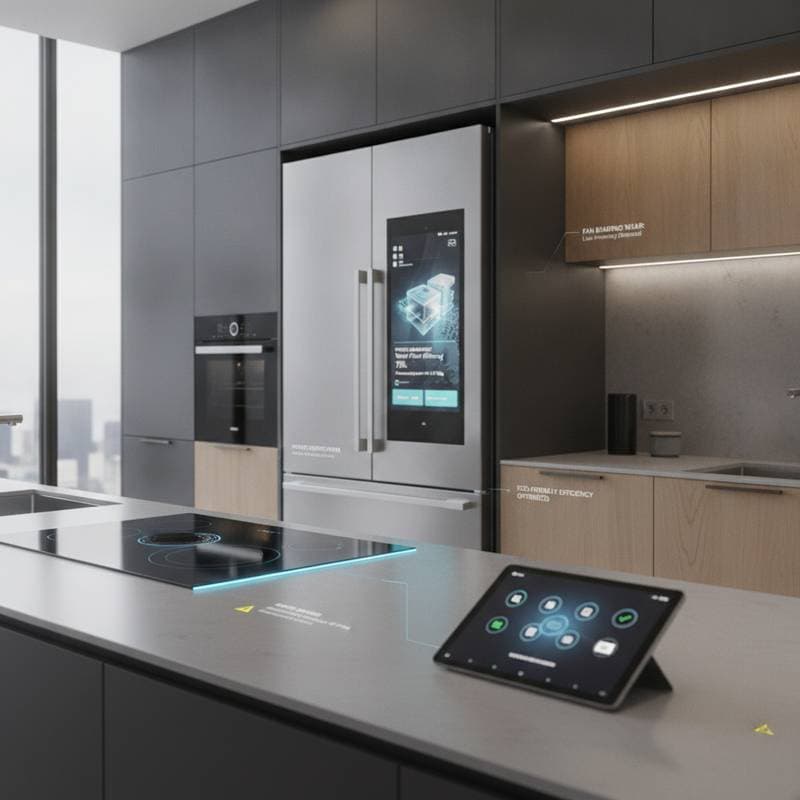
Imagine returning home after a demanding day to the scent of perfectly seared salmon. The sauce has reduced just right, the vegetables retain their crisp texture, and the meal waits without any effort on your part. Robot chefs make this scenario possible through smart kitchen appliances that automate the entire cooking process. These systems now integrate into everyday homes with reliable results.
Reasons for Growing Interest in Automated Cooking
Daily meal preparation consumes substantial time through chopping, monitoring, and cleanup. Takeout and meal kits often fall short on freshness. Robot chefs address these issues by applying precise automation to standard recipes. They manage chopping, stirring, and plating with consistent accuracy.
Users gain reliability through scheduled cooking and mobile controls. The devices handle full sequences from storage to completion. This approach suits both elaborate dishes and basic preparations.
Core Technology Behind These Systems
Robot chefs rely on sensors, cameras, and actuators to replicate manual techniques. An app serves as the main interface for selecting recipes and setting preferences. The machine then dispenses ingredients and follows timed sequences. Advanced versions monitor doneness through visual analysis to avoid errors.
These units also adapt over time. Software tracks prior selections to refine seasoning and timing automatically.
Available Models Across Price Ranges
Options range from compact units to complete kitchen installations.
-
Suvie 3.0 Smart Meal Station: Priced near 500 dollars, this model combines cooling, sous vide, and broiling functions. Load components in advance and retrieve a finished meal later through app scheduling.
-
CookingPal Multo: Available around 1000 dollars, it performs multiple tasks including chopping and steaming. The device includes an extensive recipe collection and touchscreen guidance.
-
Moley Robotic Kitchen: Starting near 300000 dollars, this setup uses robotic arms for full chef replication. It incorporates cooking surfaces, sinks, and global recipe downloads.
Adding a System to Existing Smart Homes
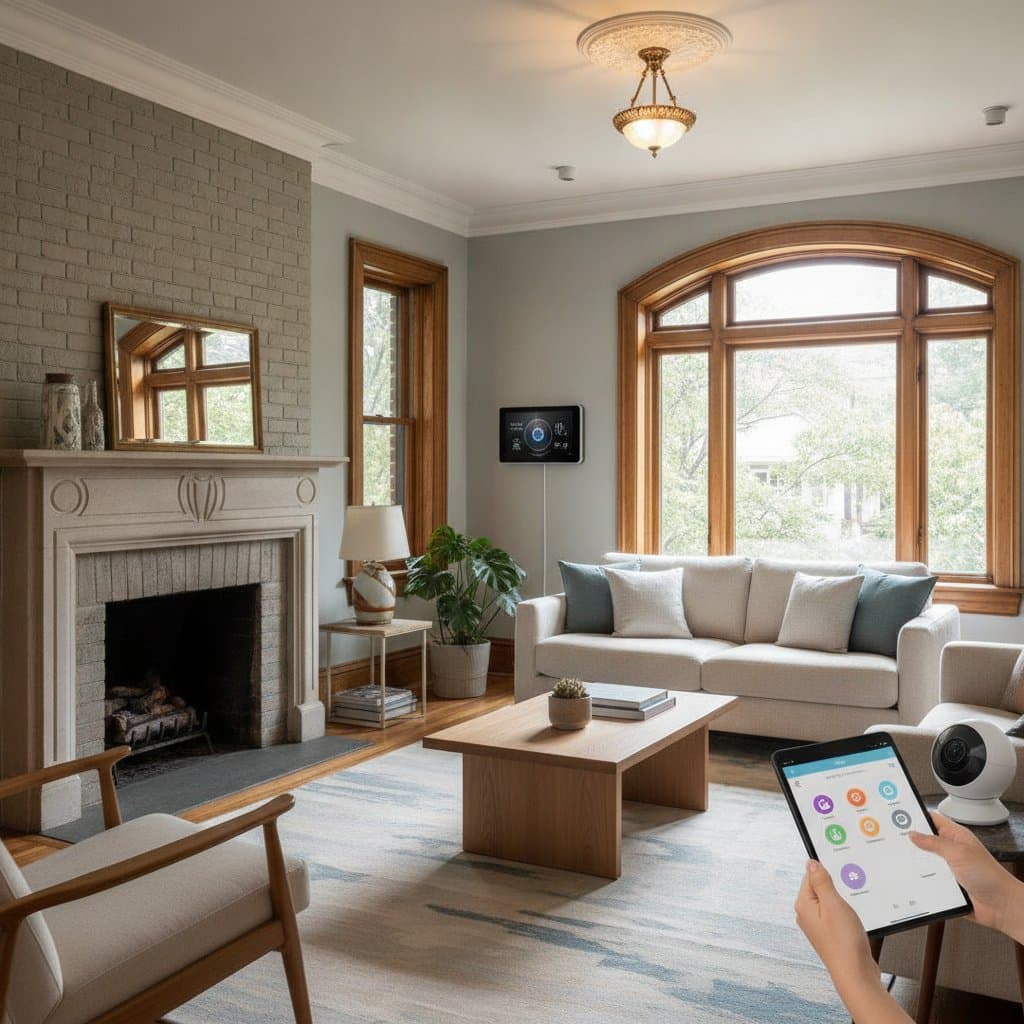
Many models connect with common voice assistants for hands free operation. Begin by measuring available space and confirming network capacity. Create user profiles to store individual preferences after installation.
Test basic recipes first to allow calibration. Pair the unit with automated ventilation to maintain air quality and protect internal components.
Cost, Upkeep, and Safety Factors
Entry level devices fall between 400 and 1000 dollars. Mid tier options reach 5000 dollars with added functions. Premium builds exceed 50000 dollars and require professional fitting.
Clean removable parts regularly and apply software updates. Confirm UL or CE certification before purchase. Professional help is advisable for any plumbing or wiring changes.
Daily Use and Observed Outcomes
Owners report reliable results with minimal oversight. One user cut takeout expenses in half after adoption. Another maintained better nutrition through simplified balanced meal preparation. The assurance of ready food reduces daily pressure.
Sustainability Aspects
Precision controls limit excess energy during cooking. Portion guidance decreases food waste. Certain models work with efficient heating methods or renewable power sources.
Upcoming Developments
Future versions will link directly to inventory tracking for recipe suggestions. Tactile feedback and modular designs will improve handling and maintenance. Voice interaction will allow real time adjustments during operation.
Selecting an Initial System
Clarify priorities such as convenience or full automation. Establish a total budget that covers setup and ongoing needs. Review available recipes to match household tastes. Consistent use improves personalization and expands options over time.
This technology supports steadier eating patterns and frees time from routine tasks. The capability now exists for practical daily application.