Transform Your Solar Panels into a Revenue Stream
Solar energy offers more than just clean power for your home. Homeowners can now convert their installations into sources of income by feeding surplus electricity back to the utility grid. This approach not only offsets costs but also contributes to a sustainable energy ecosystem.
Understanding Net Metering
Net metering allows solar panel owners to receive credits for excess energy produced. When your system generates more power than your household consumes, the surplus flows back to the grid. Utilities then credit your account at retail rates, effectively turning your rooftop into a mini power plant.
This mechanism varies by region, but it generally involves a bidirectional meter that tracks both consumption and production. In many areas, credits roll over month to month, providing a buffer during cloudy periods or high usage times. Consult local regulations to confirm eligibility and credit terms.
Integrating Smart Systems for Optimization
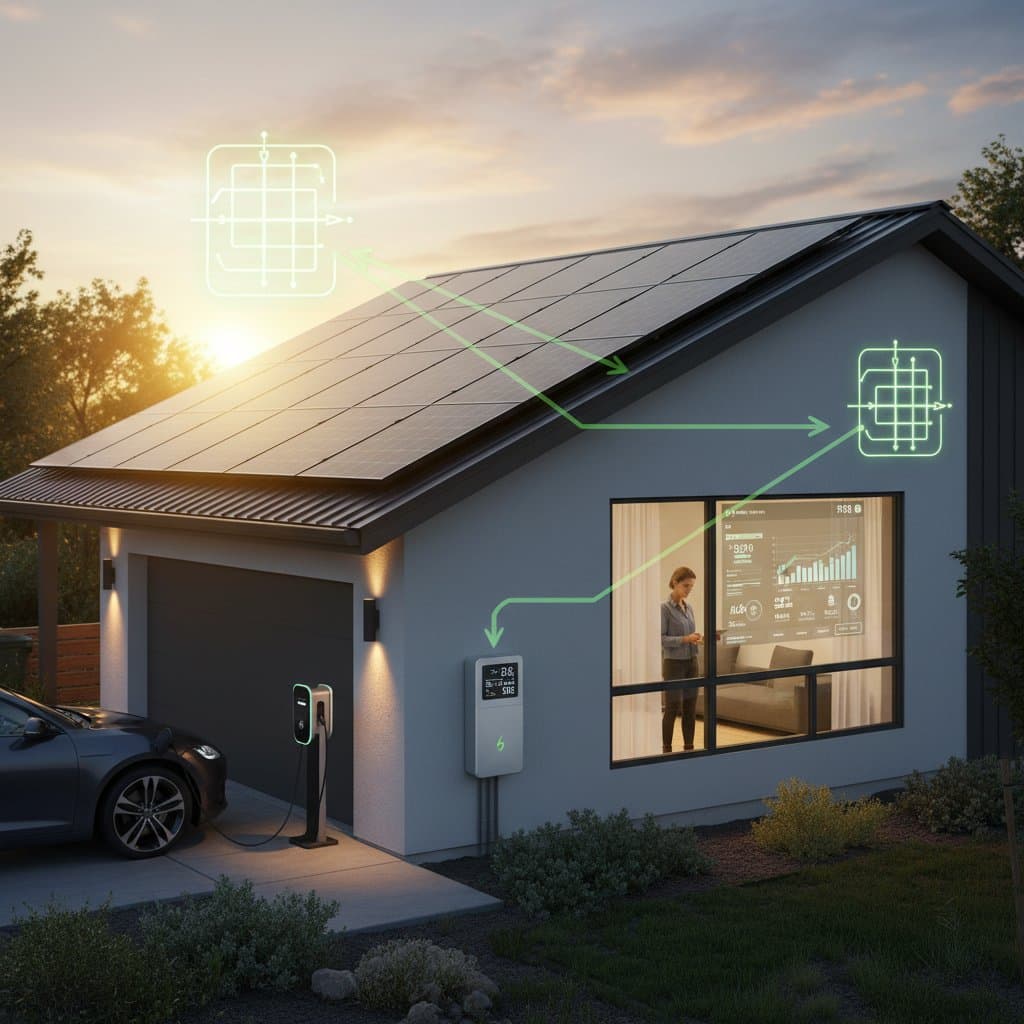
To maximize returns, pair your solar panels with intelligent technology. Smart inverters monitor output in real time and adjust production to match demand, minimizing waste. These devices also integrate with home automation systems for seamless control via mobile apps.
Energy management software analyzes usage patterns and predicts surplus generation. For instance, it can prioritize charging electric vehicles during peak solar hours. Such tools ensure you capture every possible kilowatt-hour for sale, enhancing overall profitability.
The Role of Battery Storage
Battery systems store excess energy for later use, adding flexibility to your setup. During off-peak production, draw from stored power instead of the grid, preserving credits for true surplus sales. Lithium-ion batteries, common in residential applications, offer high efficiency and longevity.
Consider capacity needs based on your household size and solar array. A typical 10-kilowatt-hour battery can store enough to power essentials overnight, while larger units support full-home backup. This investment pays off through reduced reliance on grid purchases and optimized net metering benefits.
Step-by-Step Setup Guide
-
Assess Your Solar Potential: Evaluate your roof space, sunlight exposure, and energy needs with a professional audit. Tools like solar calculators help estimate annual output and potential earnings.
-
Choose the Right Equipment: Select panels, inverters, and batteries from reputable manufacturers. Look for systems certified for grid interconnection to ensure compliance.
-
Install and Connect: Hire certified installers to mount panels and wire the system. They handle permits and utility approvals, typically completing the process in a few weeks.
-
Enroll in Net Metering: Submit an application to your utility provider. Provide system specifications and pass an inspection to activate credits.
-
Monitor and Maintain: Use apps to track performance. Schedule annual cleanings and inspections to keep efficiency high.
Unlocking Incentives and Savings
Government rebates and tax credits significantly lower upfront costs. In the United States, the federal solar investment tax credit covers 30 percent of installation expenses. State programs often add further incentives, such as low-interest loans or performance-based payments.
Beyond direct earnings, solar reduces long-term utility bills and protects against rate hikes. Over 25 years, a well-designed system can generate thousands in credits, with payback periods as short as five to seven years depending on location and usage.
Building Long-Term Energy Independence
Adopting solar with grid sell-back fosters resilience against outages and price volatility. It empowers you to contribute to renewable goals while securing financial benefits. Start small if needed, scaling as your confidence grows.
This strategy aligns personal savings with environmental impact, creating a win-win for homeowners and communities alike.