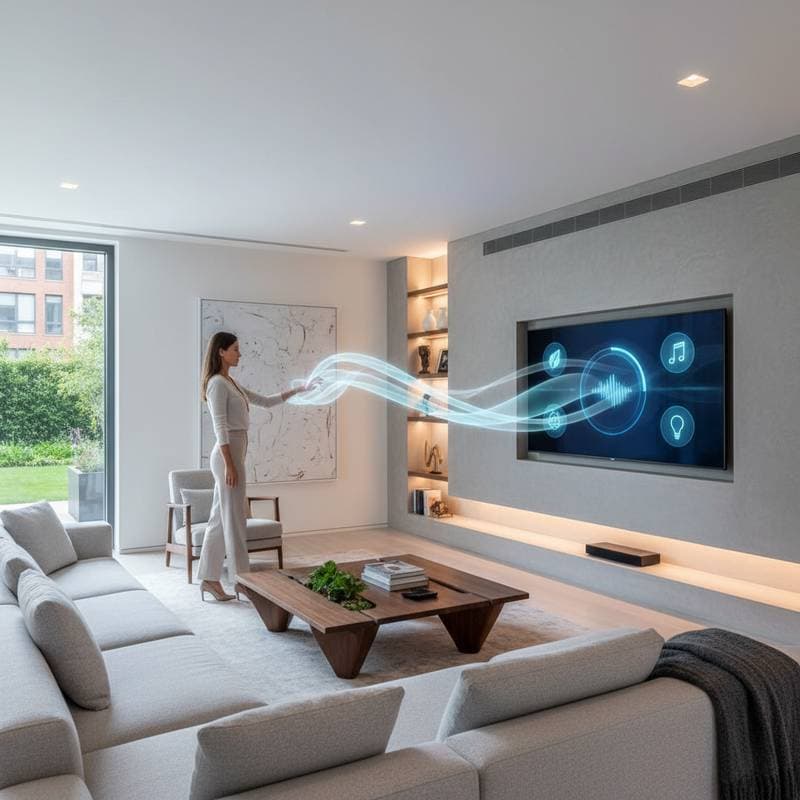
Gesture Control Supplants Touch Screens in Smart Homes
Smart homes have transitioned from optional conveniences to essential components of modern living. Touch screens once served as the primary interface for control, yet gesture-based systems now emerge as a superior alternative. Homeowners can dim lights with a wave or pause music through a subtle motion, rendering such interactions as commonplace as everyday conversation.
Advancements in sensor technology, imaging systems, and spatial computing enable this evolution. These components interpret human movements with precision, facilitating immediate device responses. For residents, the result includes pristine surfaces, expedited commands, and an interface that aligns with innate human behaviors rather than requiring adaptation.
Overcoming Limitations of Touch Interfaces
Touch screens introduced accessibility to smart home management, yet they often created unintended obstacles. Fingerprints accumulated on displays, delays occurred during operation, and users needed to approach devices physically, which interrupted fluid routines. Gesture control eliminates these issues by converting bodily motions into direct inputs.
Consider entering the kitchen with damp hands after washing dishes. Rather than navigating to a nearby panel, a straightforward hand gesture activates overhead lights or queues a preferred audio selection. Developers integrate computer vision with environmental mapping to monitor gestures across expansive areas. Commands that previously demanded tactile contact now execute through ambient air.
Mechanics of Gesture Recognition Systems
Gesture control relies on depth-sensing cameras, infrared detectors, and spatial algorithms to analyze physical actions. These tools capture the contours and trajectories of hands or limbs, converting raw data into executable instructions. Over repeated use, the system refines its understanding of individual patterns, tailoring responses to personal habits.
Integrated platforms often merge gesture detection with auditory cues and occupancy sensors for enhanced context awareness. A waving motion adjacent to an entertainment unit might modulate sound levels, while the identical action by a window treatment prompts shade adjustments. The design philosophy prioritizes natural engagement over rigid protocols, supplementing rather than supplanting other interaction modes.
Advantages of Touchless Engagement
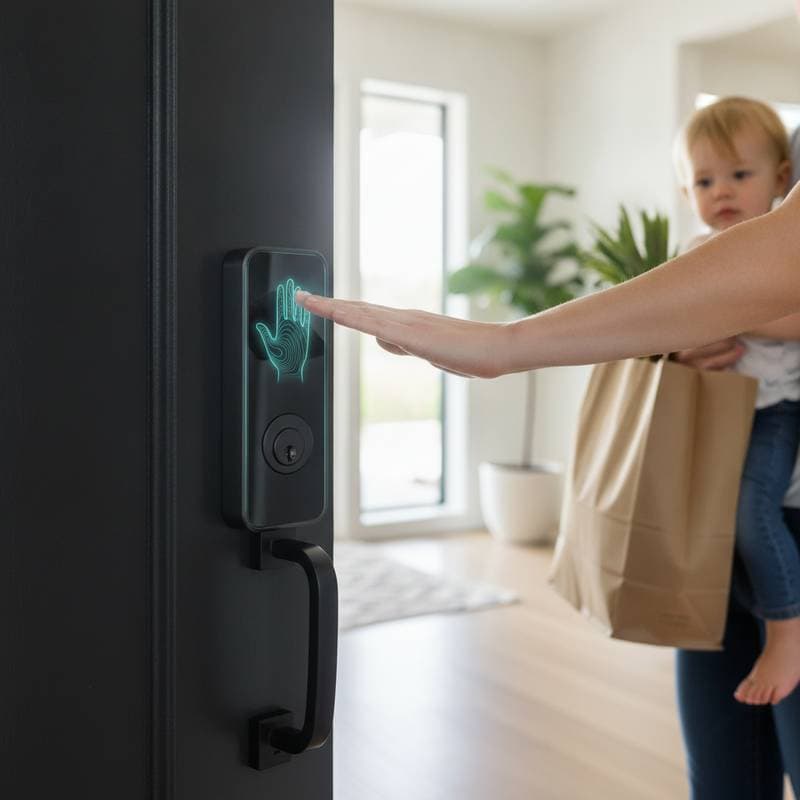
Gesture control extends far beyond initial curiosity, addressing practical needs in contemporary households. It promotes hygiene by minimizing contact surfaces, which proves invaluable in multi-person dwellings where sanitation ranks high. Individuals facing mobility limitations benefit from alternatives to fine-motor demands like screen tapping.
Natural gestures resonate on a fundamental level, mirroring lifelong communication habits. This alignment fosters intuitive use, where users engage technology on their terms. The interface evolves to anticipate needs, reducing the cognitive load associated with device operation.
Foundations in Spatial Computing
Spatial computing forms the backbone of effective gesture systems, generating virtual representations of physical spaces. This digital overlay tracks positions of furniture, boundaries, and inhabitants with high fidelity. Paired with ambient detectors, it enables pinpoint responses to user actions.
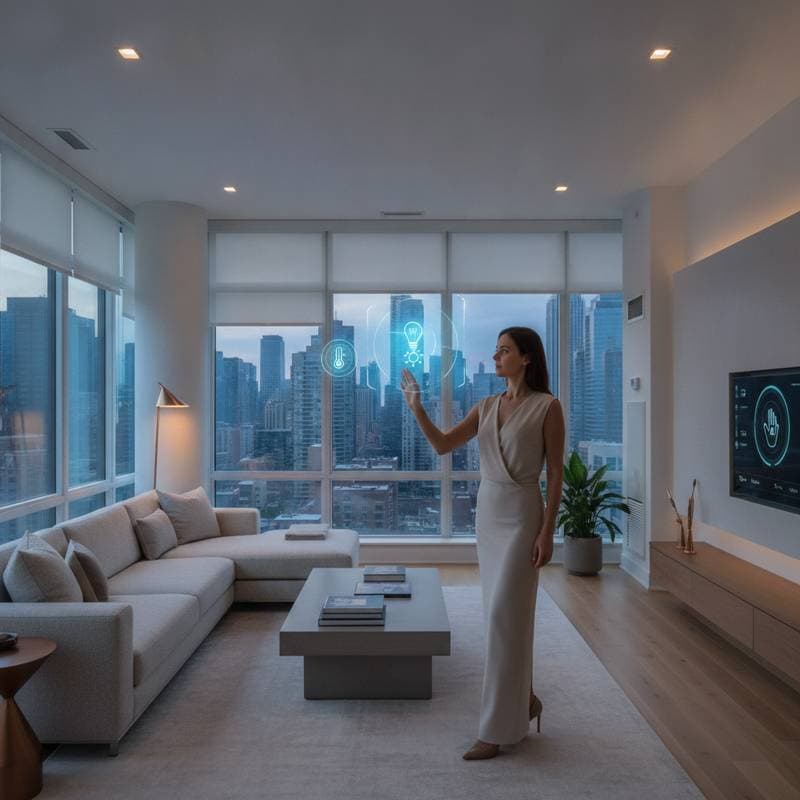
A raised arm directed upward signals illumination changes within a designated zone, while a lateral sweep toward climate controls initiates adjustments. Enhanced spatial accuracy streamlines gesture integration, minimizing errors in command execution. Leading innovators extend this capability across multiple rooms, fostering unified home intelligence.
Smart interfaces distinguish users through unique motion signatures and automate environmental shifts based on detected presence. Gesture layers enhance this foundation, providing deliberate overrides amid automated operations.
Implementations in Current Markets
Prominent manufacturers integrate touchless features into diverse products. Illumination providers incorporate radar modules that gauge proximity and velocity, enabling targeted light responses to predefined signals. Audio hubs employ proximity sensors for interpreting manual cues related to playback functions.
Display producers embed forward-facing cameras to process swipe patterns, allowing menu traversal independent of handheld controllers. In high-end residential developments, gesture interfaces supplant traditional wall controls, preserving clean lines and reducing maintenance. Commercial venues, including hotels, deploy similar systems for ambient lighting and media, enhancing guest immersion while upholding cleanliness standards.
Addressing Implementation Challenges
Gesture technologies encounter obstacles related to environmental variables and reliability. Performance varies with illumination levels, sensor positioning, and initial setup calibration. Distinguishing purposeful actions from incidental motions remains a refinement area, alongside apprehensions about surveillance in camera-dependent designs.
Industry responses emphasize on-device computation, where gesture analytics process locally to safeguard privacy. Non-visual alternatives, such as ultrasonic or radar detection, diminish the need for imaging, empowering users with oversight options. Miniaturization and algorithmic improvements progressively resolve these constraints, broadening adoption.
Integrating Gestures into Routines
True innovation reveals itself in everyday applications, where gesture control shines during hands-free scenarios. Tasks like meal preparation, household chores, or physical activity often preclude screen interaction; a quick signal halts timers or alters media without disruption.
In communal areas, users adjust ambiance from seated positions, advancing content or refining visuals effortlessly. Caregivers value rapid silencing of audio during conversations, streamlining family dynamics. Cumulative micro-interactions cultivate an environment that anticipates and adapts fluidly.
Adaptive learning elevates this further: recurring morning stretches might trigger dawn simulations and thermal optimizations, simulating proactive companionship.
Advancing Ambient Intelligence
Gesture control contributes to ambient computing paradigms, where technology recedes into supportive roles. Auditory interfaces marked an early milestone, yet visual-motion inputs enrich the sensory palette. Combined modalities yield comprehensive engagement, accommodating diverse preferences seamlessly.
Future ecosystems will hybridize inputs dynamically, honoring user inclinations for vocal or kinetic directives. This adaptability underscores personalization, crafting residences that resonate with inhabitants' lifestyles rather than imposing uniform automation.
Realizing Seamless Home Dynamics
Gesture control transcends mere enhancement, embodying a philosophy of unobtrusive support. Environments that interpret motions organically dissolve the boundary between user and system, fostering harmony in daily flows.
Residents enjoy decluttered aesthetics free from protruding interfaces. Architects leverage this for expansive, interactive designs devoid of overt mechanics. Households experience attuned responsiveness, aligning with personal cadences for elevated comfort.
As interfaces evolve, spatial awareness and gesture precision redefine habitation. Residences transform into perceptive partners, interpreting intent through motion and presence. This progression orients smart living toward intuitive extension, where technology amplifies human experience without intrusion.