Understanding Indoor Air Pollution
Indoor environments trap pollutants at higher concentrations than outdoor spaces due to limited ventilation and everyday activities. Cooking, cleaning products, and even furniture off-gassing release volatile organic compounds, while dust mites and pet dander accumulate allergens. Studies indicate that indoor air can contain two to five times more contaminants, exacerbating respiratory issues and fatigue.
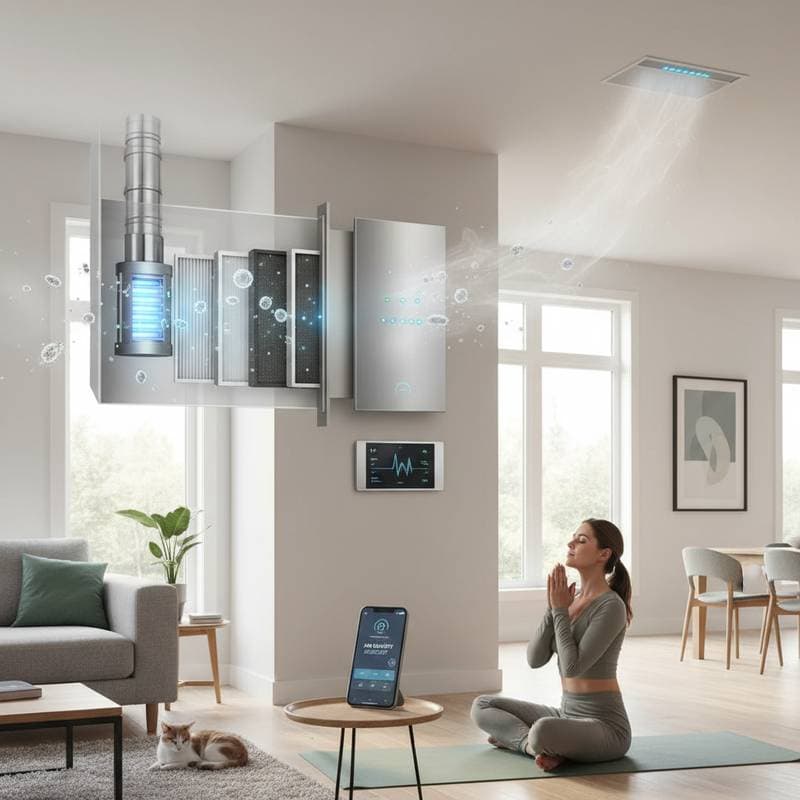
Addressing this requires a comprehensive approach beyond surface cleaning. Whole-home air purification systems integrate directly into your HVAC, filtering air as it circulates to maintain consistent quality throughout living areas. These solutions target fine particles, bacteria, and odors at the source, fostering a healthier indoor atmosphere.
Advanced Monitoring and Detection Features
Modern air purification units leverage Wi-Fi connectivity and embedded sensors to track air quality in real time. They measure particulate matter like PM2.5, relative humidity, and select volatile organic compounds, providing data that reveals pollution patterns tied to daily routines.
Access this information via a dedicated mobile application or through integration with your smart thermostat. For detailed oversight, pair the system with a separate device like the Awair Element, priced around $200, to monitor specific rooms and identify localized issues.
Position sensors strategically near HVAC air returns for precise insights into circulating air, rather than relying on open-area placements that may skew results. Automation enhances efficiency: configure the purifier to ramp up filtration when external pollen counts elevate or when windows introduce fresh air, ensuring proactive protection.
Selecting the Right System for Your Home
Evaluate your specific requirements before purchasing to ensure optimal performance. Consider the intensity of allergies in your household; mild cases often respond well to a MERV 13-rated filter, which captures smaller particles effectively.
For severe sensitivities, opt for a combination of true HEPA filtration, which traps 99.97 percent of particles as small as 0.3 microns, and UV-C light technology that neutralizes airborne pathogens. Assess your home's square footage: units designed for 2,000 square feet or less suit most residences, but larger properties benefit from multi-zone setups that direct purified air to key areas.
Maintenance plays a crucial role in longevity. Schedule filter replacements or cleanings every three to six months, depending on usage and environmental factors. Advanced models notify you via app when performance declines, preventing efficiency drops.
Energy consumption remains low, typically comparable to a light bulb or ceiling fan. Prioritize Energy Star-certified options to minimize electricity bills while maximizing environmental benefits. Start with an affordable base unit and expand modularly by incorporating UV-C lamps or ionizers as needs evolve, avoiding full system overhauls.
Long-Term Health and Efficiency Gains
Beyond allergy relief, purified air supports overall wellness. Users frequently experience enhanced sleep quality, reduced migraine frequency, and sharper focus after implementation. In households with young children or seniors, stable air quality mitigates risks from irritants, promoting daily comfort.
These systems extend beyond allergen control by regulating humidity to prevent mold growth and neutralizing household odors from cooking or pets. By keeping HVAC components cleaner, they reduce system strain, potentially lowering repair needs and extending equipment life by years.
Improved airflow efficiency also translates to subtle energy savings, as the HVAC operates with less resistance. Over time, the cumulative effects create a more inviting living space, where fresh air becomes the norm rather than an exception.
Steps to Implement Whole-Home Purification
Begin the process with a thorough assessment of your existing HVAC infrastructure and current air quality challenges. Identify pain points, such as persistent dust buildup or seasonal flare-ups, to guide your choices.
Consult certified HVAC professionals for personalized recommendations and obtain multiple quotes to compare costs and features. Inquire about seamless integration with existing smart devices, like thermostats or lighting systems, to build an interconnected home network.
Installation typically requires minimal disruption, often completed in a single day for standard setups. Post-installation, allow the system one to two weeks to fully cycle air and stabilize conditions. Track changes through the app, noting gradual reductions in symptoms like congestion or itchy eyes.
For ongoing success, adhere to maintenance schedules and periodically recalibrate sensors based on seasonal shifts. This investment not only elevates immediate comfort but also safeguards long-term health in an increasingly indoor-centric lifestyle.
Achieving Sustained Indoor Wellness
Whole-home air purification represents a strategic enhancement that refines everyday living without fanfare. Residents often describe a tangible shift: air that feels crisp, rest that deepens, and routines unhindered by seasonal discomforts. For those seeking respite from allergies or simply a revitalized home environment, this technology delivers enduring value through smarter, cleaner air management.
Frequently Asked Questions
How quickly does a whole-home purifier improve air quality? Most systems begin filtering effectively within hours of activation, though full benefits like symptom relief may take a few days as air cycles completely.
Are these systems compatible with all HVAC types? They integrate well with forced-air systems; for ductless setups, portable or room-specific units serve as alternatives.
What is the typical cost range? Entry-level models start at $300, with advanced smart features pushing prices to $1,000 or more, excluding installation.