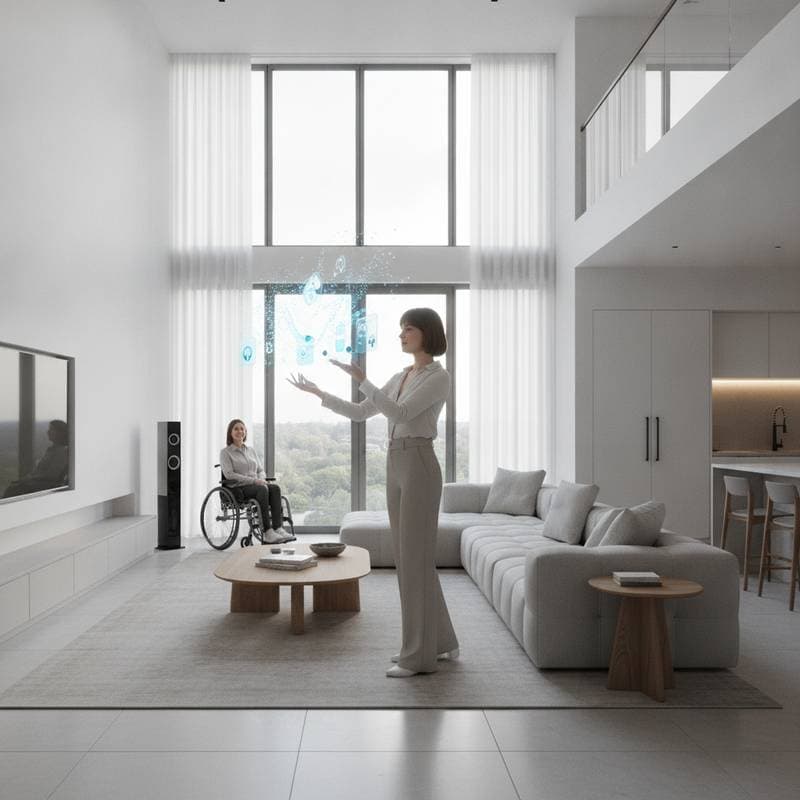
Gesture Control Replacing Touch Screens in Smart Homes
Smart homes grow more intuitive each day. Screens recede while voice systems mature. Gesture control now emerges through spatial sensors and intelligent algorithms. Homeowners wave, swipe, or point instead of tapping glass or speaking commands. This approach delivers cleaner, faster, and more natural management of living spaces.
Transition from Touch to Touchless
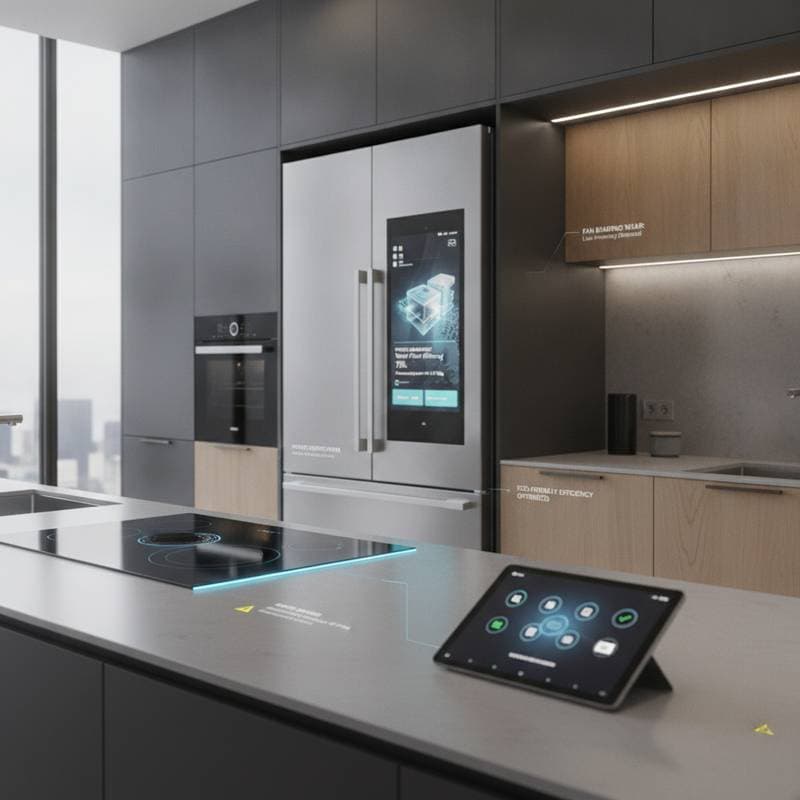
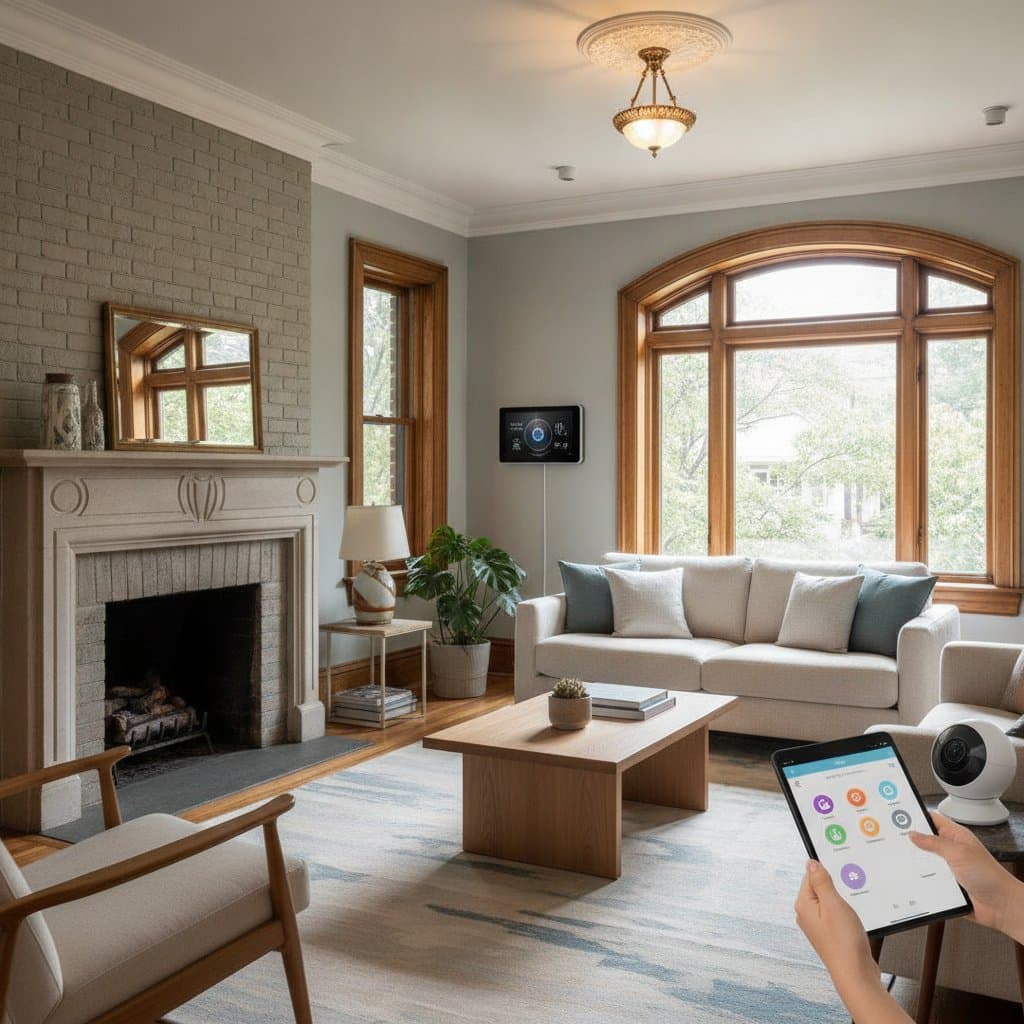
Touch screens served as primary smart home interfaces for years. Tablets and wall panels controlled lights, climate, and media. Growing device counts make constant phone unlocks or panel approaches feel inefficient. Gesture systems remove this friction through cameras, radar, and infrared sensors that read motion instantly. A hand movement dims lights, pauses audio, or opens blinds.
Core Benefits of Gesture Interaction
Gesture control combines hygiene, accessibility, and simplicity. Kitchens and bathrooms benefit when hands are wet or occupied. Individuals with mobility limits gain reliable options beyond voice or touch. Improved sensor accuracy supports complex routines without contact. Homeowners report preference for interactions that feel immediate and invisible.
Spatial Computing as the New Interface
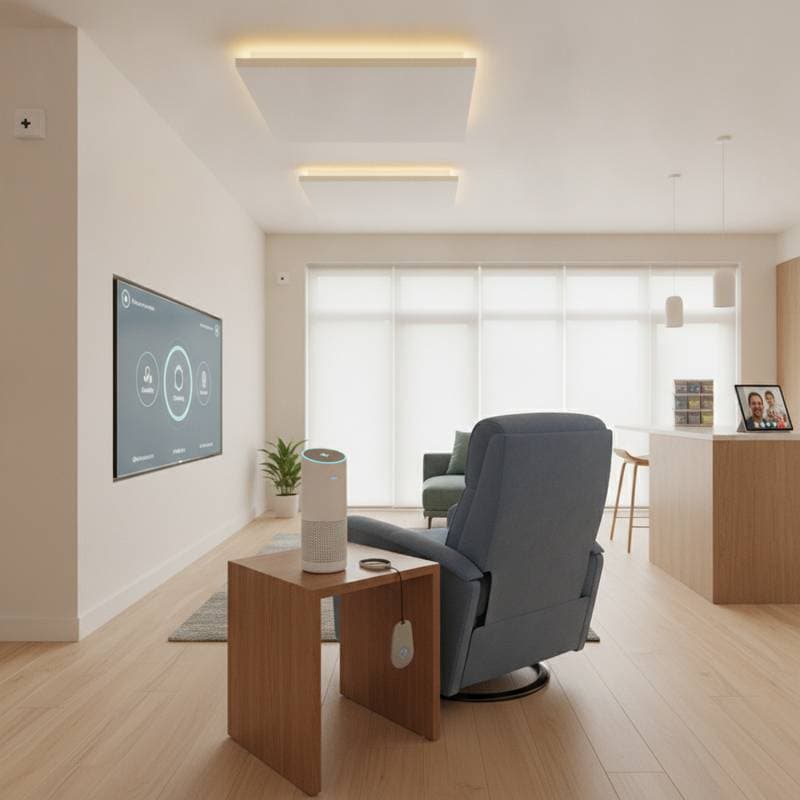
Spatial computing supplies devices with awareness of location and movement. Depth sensors map rooms so gestures register anywhere in the space. Smart televisions respond to a raised hand for volume changes. Lighting systems adjust brightness based on entry or directed motions. The room itself senses and reacts.
Precision Through Radar and Infrared
Modern sensors overcome early accuracy limits. Radar and infrared detect subtle motions in any lighting condition. Thermostats and displays wake on approach. A small circular gesture alters settings without buttons. These features shorten the learning period for new users.
Cleanliness and Design Advantages
Touchless operation supports hygiene in food preparation areas. Mirrors and faucets in bathrooms stay clean while preserving sleek surfaces. Fewer contact points reduce germ spread. Minimalist designs align with contemporary architecture.
Complementary Role with Voice and Automation
Gesture systems work alongside voice commands and apps. A quick motion silences alerts while spoken instructions handle detailed schedules. Combined presence detection creates layered responses. Music pauses on a wave, then lights dim automatically upon exit.
Expanded Accessibility Features
Silent visual commands assist users who face challenges with speech or screens. Custom motions adapt to individual movement ranges. Personalization turns the feature into an inclusive element rather than a novelty.
Immersive Entertainment Applications
Living rooms test new controls effectively. Media systems accept waves to browse content or pinches to adjust volume. Virtual galleries respond to natural hand movements. Spatial evolution makes these experiences feel immediate and engaging.
Energy Savings from Motion Awareness
Occupancy sensors adjust lighting and climate without manual input. Lights dim when rooms empty. Devices power down during inactivity. Homeowners achieve efficiency through automatic anticipation of behavior.
Privacy Protections in Sensor Design
Local data processing keeps motion information on the device. Radar options avoid image capture entirely. Clear policies on storage build user confidence in the technology.
Artificial Intelligence for Reliable Response
Algorithms distinguish intentional gestures from incidental movement. Learned habits reduce false triggers. A door wave can activate full departure sequences that secure locks and adjust temperatures.
Ambient Interaction as the Future Standard
Homes respond to presence, motion, and context without visible interfaces. Technology recedes while environments adapt continuously. Single gestures influence music, lighting, and climate together.
Practical Steps for Home Integration
Start with one gesture-enabled switch or display. Test reliability during daily tasks. Expand once consistency is confirmed. Systems that require minimal setup deliver lasting convenience.