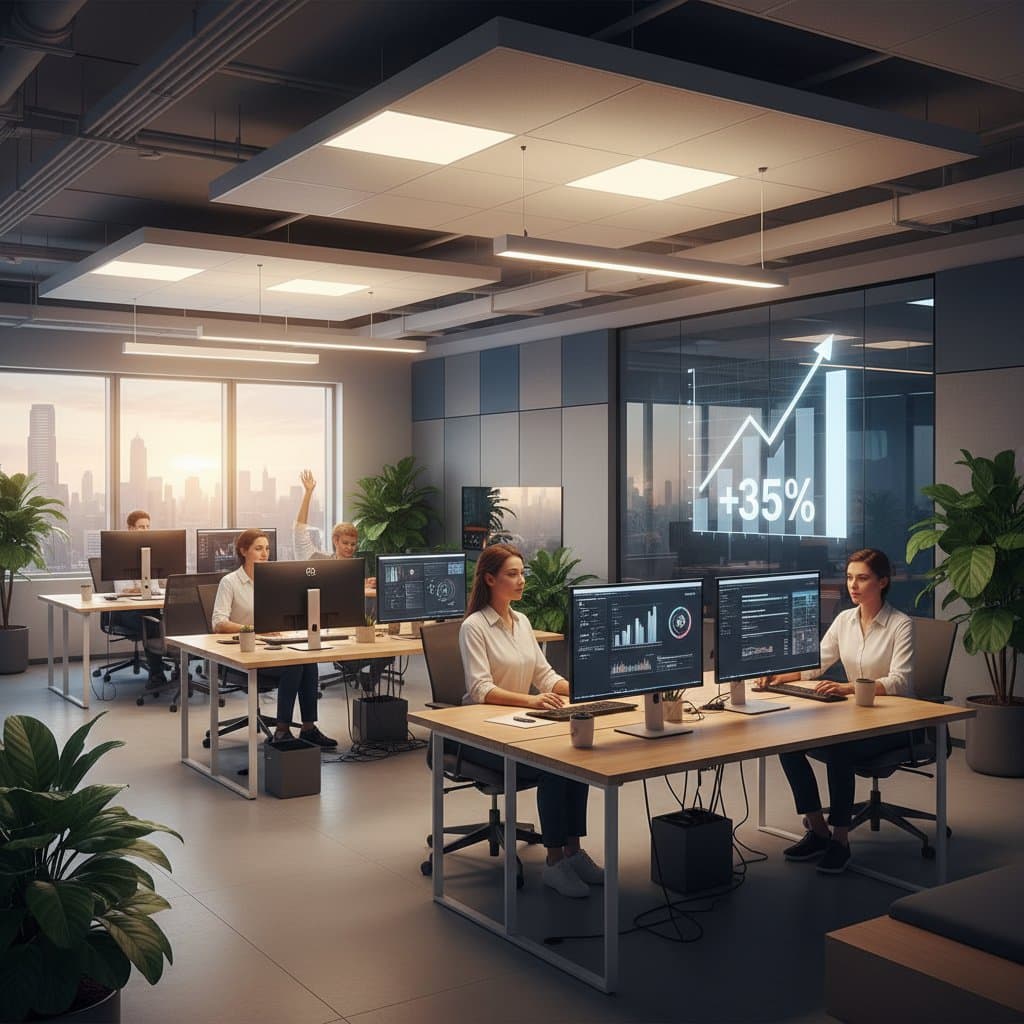
Unlock 35% More Productivity with Dynamic Smart Lighting
Smart lighting extends beyond basic dimmers and color-changing options. Dynamic smart lighting represents the next advancement, reshaping homes and offices by aligning with human biology. This system adjusts brightness and color temperature to follow circadian rhythms, thereby enhancing focus, energy, and productivity. Evidence indicates that such lighting can increase output by up to 35 percent, while also supporting mood and overall wellbeing.
As surroundings grow more intelligent, light experiences evolve from fixed artificial sources to adaptive, biology-informed designs. This change carries personal significance, affecting daily wakefulness, concentration, and relaxation.
Understanding Circadian Rhythms and Light
The human body operates on a 24-hour circadian rhythm that governs sleep, alertness, and hormone release. Light serves as the primary signal to align this cycle. Cool, bright light promotes wakefulness and activity, while warm, subdued light fosters rest.
Conventional lighting disrupts these patterns with unchanging color and intensity, disregarding daily shifts in bodily needs. Dynamic smart lighting addresses this by automating adjustments to replicate natural light progression, from morning brightness to evening softness.
Studies on workplace efficiency reveal that circadian-aligned lighting heightens alertness and precision in tasks. Workers under these conditions experience greater morning energy and reduced afternoon tiredness. This outcome stems from the integration of biological principles with technological precision.
Mechanics of Dynamic Smart Lighting
Dynamic systems differ from static ones by employing sensors, algorithms, and timers for ongoing adaptation. They assess surrounding conditions and modify brightness, hue, and intensity based on time or activity. Morning settings deliver cool, invigorating light; midday offers steady brightness; evenings shift to warm, gentle tones.
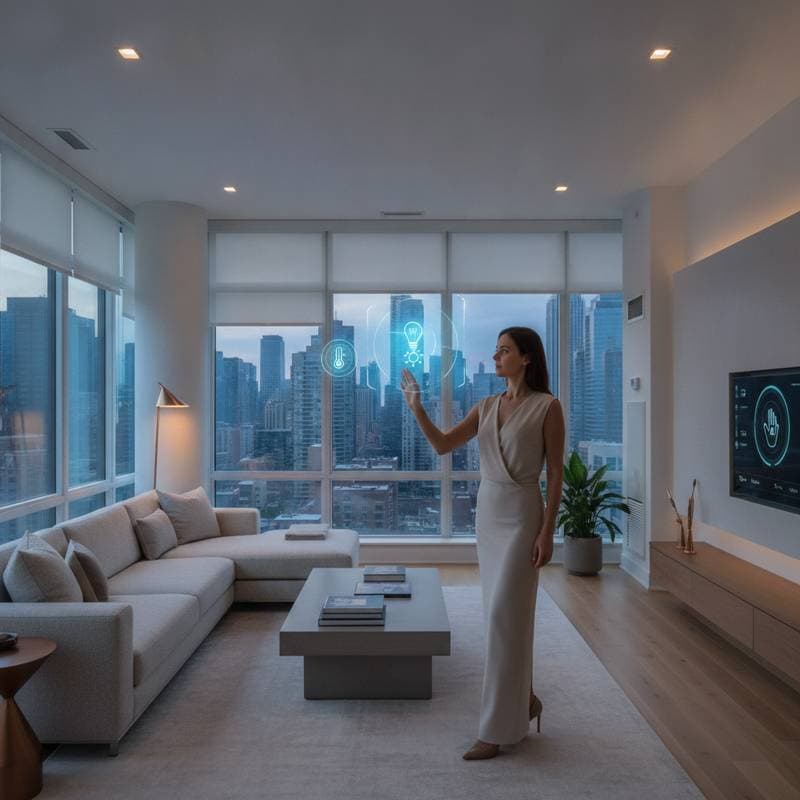
Integration with broader smart home networks enhances functionality. For instance, lights can intensify as smart blinds rise to augment natural daylight. During scheduled focus periods from a calendar, the system selects ideal temperatures to sustain attention.
Products from Philips Hue, LIFX, and Nanoleaf feature scenes that emulate daylight cycles. Tunable white bulbs paired with central hubs enable smooth changes, creating spaces that harmonize with natural bodily processes.
Impact of Light Quality on Performance
Substandard lighting contributes to more than eye strain; it influences alertness, hormones, and mental acuity. Inadequate balance leads to exhaustion, discomfort, and diminished drive. Conversely, dynamic lighting maintains vitality and emotional stability across the day.
Research involving office staff showed that dynamic setups raised productivity by over 33 percent relative to static alternatives. Participants noted improved satisfaction and focus. These advantages apply equally to home offices, where extended artificial light exposure is common.
In residential settings, dynamic lighting aids in distinguishing work from leisure. Gradual evening warming signals relaxation, enhancing sleep and mitigating fatigue.
Principles of Human-Centric Lighting
Human-centric lighting prioritizes wellbeing in its framework. It evaluates light's effects on biology and emotions, beyond mere visuals or efficiency. Dynamic implementations advance this philosophy.
Commercial applications demonstrate tangible gains. Educational facilities observe increased student involvement. Healthcare settings employ it for recovery support. Manufacturing areas report error reductions. Residential adoption follows suit, as individuals pursue enhanced comfort and equilibrium.
Awareness grows that lighting functions as a health asset, not mere ornamentation. Dynamic smart lighting aligns with this perspective, delivering functional and emotional advantages.
Steps to Incorporate Dynamic Lighting
Significant benefits arise without complex installations. Targeted changes yield quick results.
-
Install tunable bulbs. Swap ordinary bulbs in primary areas like workspaces or bedrooms with smart versions that adjust color temperature via apps or presets mimicking daily cycles.
-
Set automation schedules. Activate circadian modes in lighting applications to enable automatic daily shifts, minimizing manual intervention.
-
Tie to daily routines. Link lights to alarms or calendars; brighten for work starts and warm for evenings to delineate activities.
-
Blend with daylight. Maximize natural light by opening blinds daytime, using dynamic systems to supplement during low-light periods.
-
Add intuitive controls. Pair with voice assistants or motion sensors for seamless responses to presence or commands.
Applications Across Settings
Offices: Adaptive LED panels replace outdated fluorescents, adjusting temperatures daily. Staff experience fewer energy dips and greater contentment, with output gains of 30 to 35 percent in some cases.
Home Workspaces: Remote workers sustain rhythms through morning focus lighting and evening wind-down modes, clearly separating professional and personal hours.
Classrooms: Dynamic setups improve attention and understanding. Instructors tailor brightness for interactive or contemplative sessions, aligning with group dynamics.
Hospitals: Circadian lighting aids recovery by matching natural cycles, promoting better sleep and stress reduction to accelerate healing.
Light's Role in Mood and Concentration
Light shapes emotions and cognition beyond illumination. Cool, intense exposure stimulates serotonin for heightened mood and vigilance. Warm, low light supports melatonin for restorative preparation.
Dynamic lighting leverages these mechanisms. Cooler tones during intensive work preserve focus; warmer shades during pauses encourage calm and ideation. This modulation by task or sentiment elevates mental effectiveness.
In creative fields, adaptive lighting fosters clearer thinking and teamwork. At home, appropriate tones enhance activities like writing or meal preparation, balancing ease and productivity.
Efficiency Gains from Adaptive Systems
Beyond performance, dynamic lighting optimizes energy use. Responses to occupancy and sunlight prevent overuse, dimming automatically or deactivating unused areas.
Platforms analyze patterns to refine operations, conserving power and prolonging hardware life for lower upkeep. This approach yields returns in usability, output, and environmental impact. Advancing automation standards promise greater accessibility.
Addressing Implementation Challenges
Clear advantages exist, yet hurdles persist. Initial costs have declined for bulbs and controllers. Interoperability improves via protocols like Matter, unifying brands.
Education counters misconceptions of smart lighting as gimmicky. Growing knowledge highlights its role in performance and rest. Setup simplifies with app-based configurations, suitable even for temporary residences via wireless connections.
Selecting an Optimal System
Evaluate hardware and software for dynamic needs. Prioritize:
- Tunable white or full-spectrum bulbs for precise temperature shifts
- Automation tools mirroring circadian patterns
- Compatibility with devices like thermostats or assistants
- Usage tracking for efficiency
- Intuitive applications with customizable modes for various activities
Philips Hue, Nanoleaf, and Govee provide scalable options across budgets, from single-room to full-home solutions.
Aligning Environment with Biology
Dynamic smart lighting transcends aesthetics; it serves as a tool for health and efficiency. Synchronization with natural rhythms reshapes work, recovery, and rest.
Begin by targeting high-use areas. Install tunable bulbs and configure schedules to track daylight. Adjust via apps for personal fit. Soon, heightened awareness and steady energy emerge.
In professional or home setups, combine lighting with controls for temperature or alerts. This unity supports objectives and physiology. Light actively contributes to success, integrated into daily flow.
Human-centric design ushers in environments that nurture productivity and health as interconnected elements. Dynamic lighting offers a straightforward path to enhanced, sustainable routines.