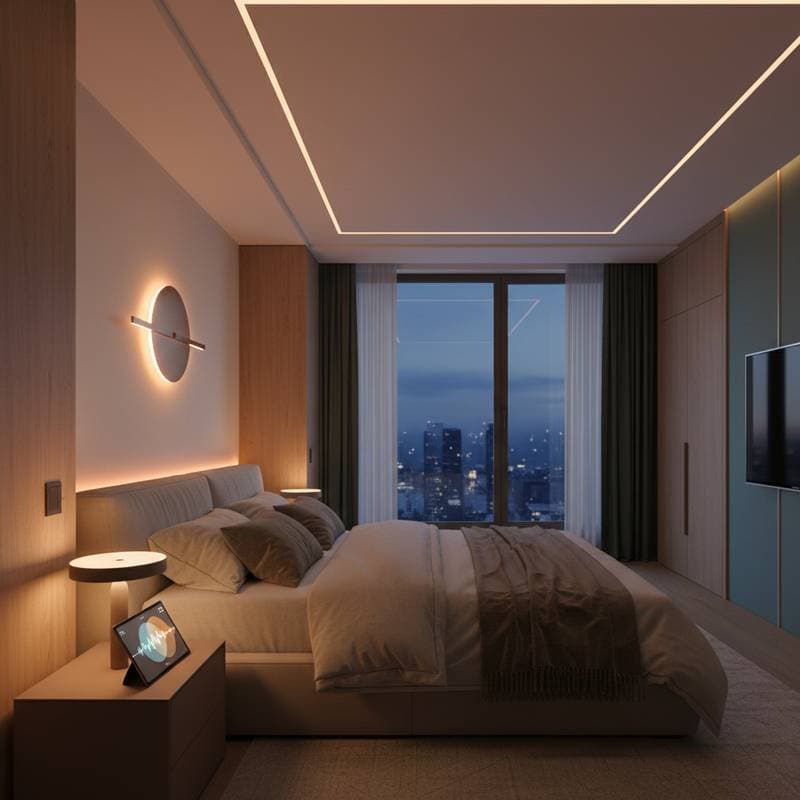
Reduce Sleep Problems with Circadian Lighting
Nearly half of adults report struggling with sleep quality at least a few nights each week. Many turn to supplements, mattresses, or blackout curtains for relief. One of the most powerful regulators of sleep already exists in the home through light exposure. The interaction between light and the biological clock, known as the circadian rhythm, influences whether sleep arrives easily or remains elusive for hours. Smart circadian lighting offers a science backed method to align indoor environments with natural body rhythms.
The Circadian Connection
Each body follows an internal rhythm that governs energy, mood, and sleep cycles. Light exposure regulates this rhythm. Bright, blue toned light signals alertness to the brain during daytime hours. Warm, dim light prompts melatonin production to support winding down for rest. Traditional indoor lighting maintains a constant tone that disrupts these signals. Many people therefore feel groggy upon waking or remain alert too late at night. Circadian lighting corrects the mismatch by adjusting color temperature and brightness automatically to follow daylight patterns.
Functions of Circadian Lighting
Circadian systems replicate the daily progression of sunlight. Morning settings deliver cool, energizing tones. Evening settings transition to warmer hues that promote relaxation. Smart bulbs achieve these shifts through built in sensors or scheduled app controls. Some models connect with wearable trackers to adjust output based on individual sleep data. This creates a responsive environment tailored to personal patterns.
Impact on Sleep Quality
Consistent lighting patterns support improved sleep onset, duration, and overall rest. When light exposure matches natural cycles, melatonin release follows its proper timing. Users often experience faster sleep initiation and greater morning refreshment. Reports indicate reduced insomnia symptoms along with fewer nighttime awakenings. Research links properly calibrated systems to substantial decreases in sleep disturbances.
Additional Daily Benefits
Improved rest forms only one aspect of the advantages. Circadian lighting stabilizes energy and mood across waking hours. Morning exposure heightens alertness and productivity. Evening adjustments foster calm transitions. Consistent use also aids appetite regulation, concentration, and emotional steadiness. Workplace studies show employees maintain higher energy when lighting follows natural rhythms. Home environments benefit from smoother shifts between activities, with children settling more readily at bedtime.
Implementation Through Smart Bulbs
Modern smart bulbs bring circadian features to most households. They connect via Wi Fi or Bluetooth and respond to voice assistants or mobile applications. Users select preset schedules that mirror sunrise and sunset or build custom routines. Leading brands provide modes that shift color temperature gradually throughout the day. Morning light appears bright and white. Midday settings turn slightly cooler. Evening tones become soft amber. Motion sensors add further responsiveness by activating lights only when spaces are occupied.
Steps for a Sleep Friendly Setup
- Begin with bedroom fixtures by installing smart bulbs capable of automatic dimming and color shifts.
- Extend adaptive lighting to workspaces for sustained daytime focus.
- Integrate controls through voice commands or applications to enable quick adjustments.
- Connect systems to sleep trackers so light changes respond to actual rest patterns.
Addressing Common Concerns
Cost represents a frequent initial barrier. Prices for smart bulbs have declined with wider adoption, and multipacks now compare closely with standard LED options. Complexity has also decreased in recent models. Current ecosystems require minimal setup and integrate with major platforms such as Alexa or Google Home. While artificial light cannot duplicate sunlight exactly, circadian systems closely match key aspects of timing and wavelength to produce measurable benefits.
Practical Examples
Philips Hue offers scenes that progress through daily phases. Nanoleaf combines schedules with decorative panels. LIFX supplies tunable bulbs that operate without extra hubs. Hospitality and healthcare settings already apply these principles to aid jet lag recovery and patient rest. Residential products now deliver similar capabilities at accessible prices.
Biological Mechanisms
Specialized cells in the eye transmit light signals to the brain master clock. This regulates hormone output, body temperature, and alertness levels. Blue wavelengths suppress melatonin. Warm tones encourage its release. Traditional bulbs often deliver excess blue light in evening hours. Circadian lighting restores balance and allows the brain to reestablish natural timing over consistent use.
Establishing Healthier Routines
Circadian lighting shifts focus from decorative use to functional support for wellness. Adoption begins with a few targeted bulbs in key areas such as the bedroom. Observation of resulting sleep changes guides further expansion. The approach creates surroundings that reinforce natural body timing without requiring complete home redesign.