Budget Smart Locks Under $100 Reshape Home Access
Smart homes evolve from optional upgrades to essential features, with the front door serving as a key entry point. Smart locks, previously reserved for affluent tech adopters, have entered the mainstream through models priced below $100. This affordability alters perceptions of home security, blending advanced technology with everyday practicality.
The change stems from optimized production processes, streamlined hardware, and increased trust in interconnected devices. Homeowners and renters gain entry to sophisticated features without significant financial commitment. Consequently, the market expands, fostering innovation and broader adoption.
Factors Driving Accessibility
Earlier smart locks demanded expert installation and intricate configurations, often tying users to specific platforms. Current budget options simplify these barriers, appealing to a wider audience.
Key contributors include:
- Large-scale manufacturing that lowers material expenses.
- Streamlined connectivity options eliminating extra hardware.
- User-friendly setup processes using basic tools.
- Broad support for devices like Amazon Alexa and Google Assistant.
Consumer research highlights preferences for simplicity, robust protection, and value. Manufacturers prioritize dependable performance over extraneous options, positioning smart locks as routine appliances.
Growth in the Sub-$100 Segment
The under-$100 range now rivals higher-priced alternatives in functionality. Standard features encompass Bluetooth pairing, mobile app management, one-time passcodes, and automatic securing mechanisms.
Companies like Wyze, Level, and SwitchBot lead with sleek, efficient products. For instance, the Wyze Lock Bolt delivers biometric entry and remote operation at minimal cost. SwitchBot's Keypad Lock adapts to standard hardware, providing secure, reversible installation ideal for temporary residences.
Established brands respond with essential versions of their core products, retaining vital operations while omitting specialized components. This competition elevates overall standards across price points.
Enhancing Security Through Innovation
Modern security emphasizes responsive, intelligent mechanisms over mere physical barriers. Affordable smart locks introduce these elements to average users.
Digital Access Management
Generate virtual keys for household members or visitors via app. Assign time-limited codes to service providers or packages, avoiding physical spares and enhancing oversight.
Instant Activity Alerts
Receive notifications on door status changes through connected apps. Review access histories to monitor family arrivals or detect unusual patterns, fostering greater awareness.
Biometric Entry Options
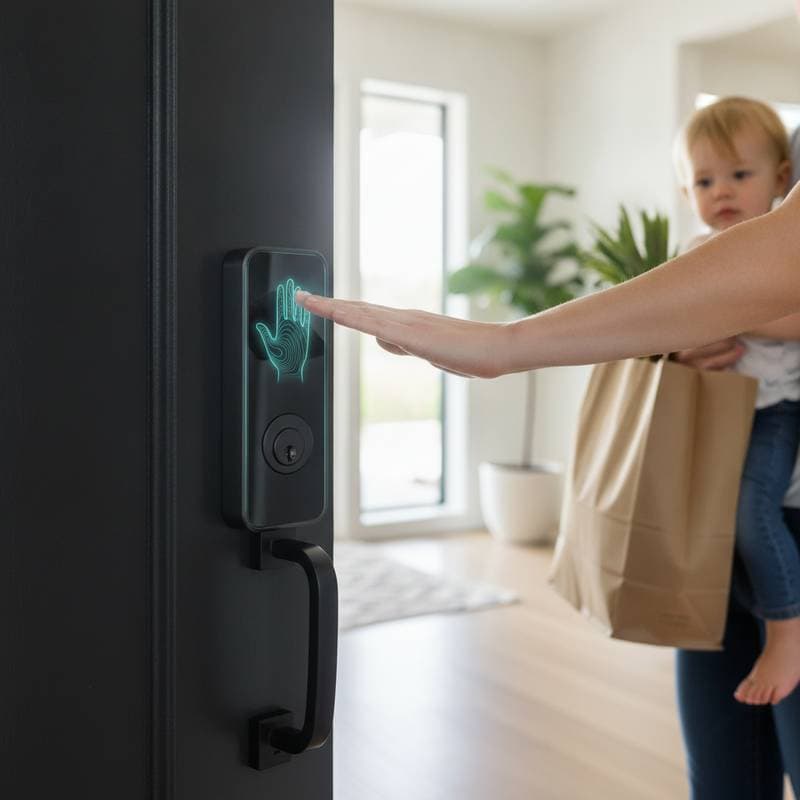
Affordable models incorporate fingerprint scanners for swift, secure unlocking. These sensors provide dependable performance, surpassing mechanical keys in speed and hygiene.
Voice-Activated Control
Pair locks with assistants for hands-free operation. Query status or engage locking remotely, integrating seamlessly into daily smart routines.
Simplifying Installation
Ease of setup propels the popularity of these devices. Most attach to existing mechanisms with household tools, bypassing professional services.
Manufacturers supply detailed guides, alignment aids, and app tutorials. This approach empowers users, from apartment dwellers to new property owners, to upgrade independently.
Evaluating Value Against Cost
Affordability prompts scrutiny of reliability. A $75 model suits routine needs but might forgo features like intrusion detection or distant oversight.
Bluetooth-dependent units limit remote functions to nearby range, suitable for local use. For typical scenarios, these aspects deliver sufficient assurance.
Industry forecasts indicate ongoing refinements in encryption and power efficiency. Distinctions between tiers will narrow, emphasizing usability over luxury add-ons.
Evolving User Expectations
Demand for intuitive, versatile products shapes design priorities. Consumers seek reliable integration without vendor lock-in or upkeep demands.
Studies reveal that setup simplicity and software stability outweigh elaborate capabilities. Focus remains on enhancing routine efficiency.
Advanced Features at Entry Prices
Innovation persists in accessible models, incorporating:
- Programmable auto-secure intervals.
- Warnings for diminishing power sources.
- Backup codes operational without network.
- Durable exteriors for varied environments.
Such enhancements demonstrate viable quality at low cost, broadening appeal to diverse groups.
Steps to Adopt Smart Security
Integration of these locks promotes communal safety by minimizing shared keys and streamlining permissions. They often initiate full home networks.
Future developments target prolonged operation and eco-friendly materials. Security becomes inclusive, prioritizing universal access and ease.