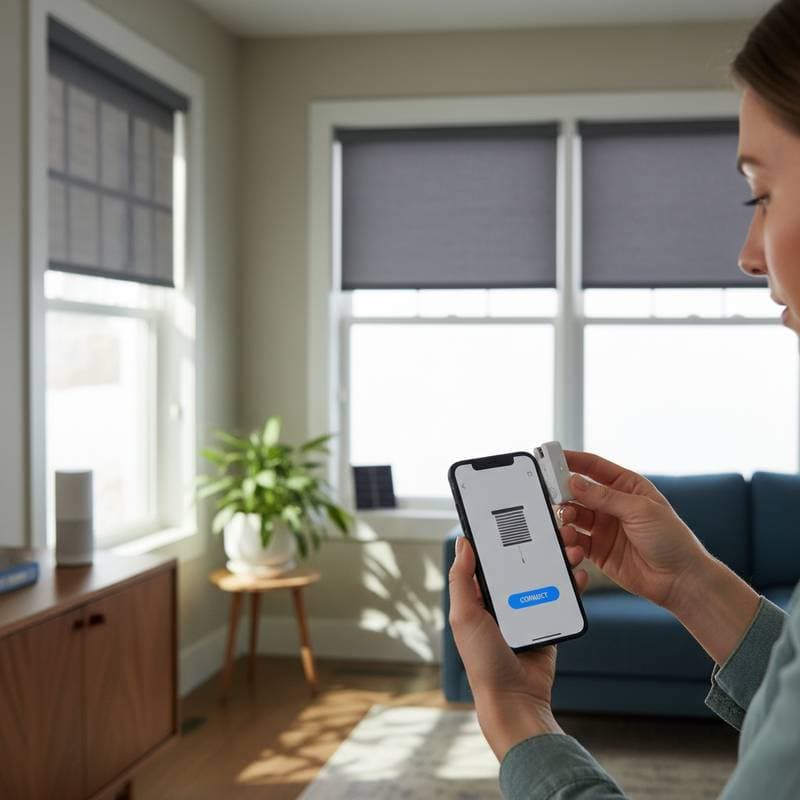
Affordable Smart Blinds Transform Homes for $49
Smart homes evolve from optional features to essential components of modern living. Systems for lighting, climate control, and entertainment have transitioned to digital interfaces, and window coverings now follow this trend. Budget smart blinds, available through retrofit kits starting at $49 per window, enable motorized automation and integration into connected ecosystems. This development opens access to homeowners, renters, and DIY participants who seek enhanced functionality without major renovations.
The affordability arises from innovative retrofit designs that prioritize compatibility with existing setups. Users attach compact motors or modules to traditional blinds, rollers, or shades, achieving voice activation and app-based operation in under an hour. These solutions promote unified smart home environments and support energy-conscious habits, allowing individuals to upgrade gradually while preserving current decor.
Seamless Voice and App Integration
Control forms the foundation of smart home experiences, and budget smart blinds provide versatile options for managing window coverings. Residents operate shades via dedicated mobile applications or voice commands through platforms like Amazon Alexa, Google Assistant, or Apple HomeKit. A simple directive, such as requesting the living room blinds to rise, executes the action instantly without physical effort.
Integration proves straightforward due to broad ecosystem support. Battery-operated units eliminate the need for electrical modifications, making them ideal for rental properties or temporary residences. Consider routines like automating sunrise simulations to gently illuminate bedrooms or scheduling evening closures for privacy; these features deliver practical enhancements that align with daily schedules.
To set up voice control, download the manufacturer's app, pair the device via Bluetooth, and link it to preferred assistants. Test commands in various rooms to ensure reliable response, adjusting sensitivity as needed for optimal performance.
Substantial Energy Efficiency Gains
The $49 price point represents a modest entry cost, yet the long-term benefits extend to significant energy reductions. Automated blinds regulate indoor temperatures by blocking solar heat during peak summer hours or admitting sunlight for passive winter warming. This automation decreases dependence on air conditioning and heating units, leading to measurable utility bill decreases.
Research from energy organizations indicates that smart window solutions can cut consumption by 10 to 25 percent in equipped homes, depending on climate and usage patterns. Automating multiple windows amplifies these effects, as coordinated adjustments maintain consistent comfort levels. Renters gain similar advantages with portable, wireless models that require no permanent installation.
Implement energy-saving schedules through app timers: close south-facing blinds from noon to 4 p.m. in warm months, and open them fully on cooler days. Monitor usage via integrated reports to refine settings, maximizing savings while minimizing manual intervention.
Versatile Design Options for Any Space
Retrofit smart blinds excel in preserving aesthetic preferences alongside technological upgrades. These kits adapt to a wide array of existing window treatments, including fabric rollers, wooden slats, or cellular shades, without necessitating full replacements. Individuals retain favored hues, patterns, and textures, ensuring the smart addition complements interior schemes.
Manufacturers focus on discreet integration, with motors that mount internally or externally while remaining unobtrusive. Options for customizable casings or fabric-matched enclosures further enhance visual appeal. As market competition intensifies, advancements like reduced noise levels and extended battery durations elevate product standards without inflating costs.
Select kits based on blind type: for heavier cellular shades, choose models with higher torque ratings. Experiment with placement to avoid interference with valances or sills, achieving a polished look that blends technology seamlessly into living areas.
Simple Installation and Ongoing Care
Ease of setup defines the appeal of budget smart blinds, with most systems engineered for independent installation. Begin by measuring the blind's width and height to confirm kit compatibility, then secure the motor using provided brackets or adhesives. Sync the device to the app for position calibration, a step that fine-tunes travel limits and speed.
The procedure demands basic tools like a screwdriver and typically completes in 30 to 60 minutes per window. Wireless, battery-powered designs bypass wiring complexities, and rechargeable units sustain operation for several months. Solar-assisted variants recharge via ambient light, reducing maintenance frequency.
For upkeep, inspect mechanisms quarterly for dust buildup and perform app-based firmware updates annually. Replace batteries as indicators prompt, and store spares for quick swaps. This low-effort approach sustains reliability, encouraging experimentation with advanced features like geofencing for automatic adjustments upon arrival or departure.
Future Innovations in Window Automation
The surge in $49 smart blinds underscores a movement toward adaptive, intelligent residences. Current models lay groundwork for deeper synergies with lighting systems and environmental sensors, fostering homes that respond intuitively to occupants. Emerging technologies promise machine learning algorithms that analyze habits, such as preferring dimmed afternoons for reading, to preemptively adjust shades.
Advanced sensors will detect variables like sunlight intensity, room occupancy, or outdoor temperatures, triggering responses without user input. Integration with whole-home dashboards will enable holistic control, optimizing comfort across seasons. These evolutions position window automation as a cornerstone of sustainable, user-centric living.
Explore compatible accessories now to prepare for expansions, such as adding humidity sensors for moisture-sensitive fabrics. Stay informed on firmware releases to unlock progressive capabilities, ensuring your setup evolves with industry progress.