AI Robot Vacuums Detect Pet Accidents Instantly
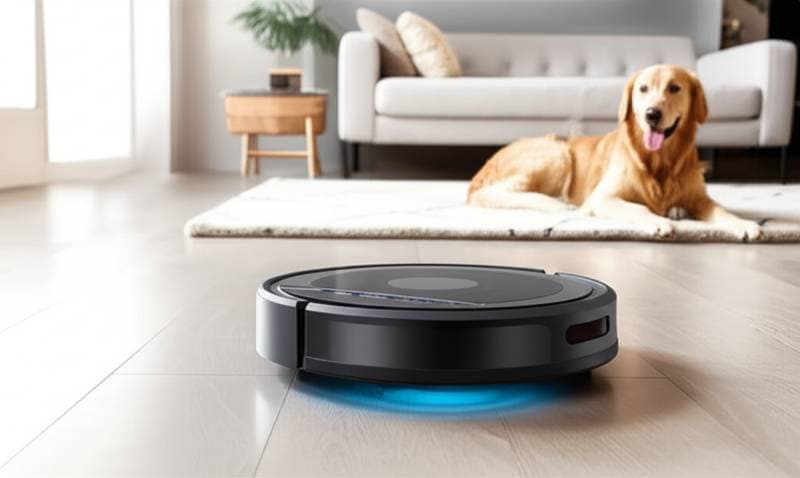
Smart homes continue to advance, and the appliances that maintain their cleanliness follow suit. Current robot vacuums surpass basic debris removal through integrated sensors and sophisticated object identification. These features enable the devices to recognize pet accidents and adjust paths accordingly, preventing potential issues. Pet owners benefit from this development as it supports effortless, automated maintenance.
The Challenges of Pet Accidents in Daily Life
Households with dogs or cats face occasional pet incidents despite consistent training. A unnoticed spill or waste can create significant problems if a vacuum encounters it directly. Older robot models struggled to distinguish such messes from everyday clutter, often resulting in spread contamination across surfaces.
This shortfall eroded confidence among pet owners who appreciated automation yet dreaded additional cleanup. Industry leaders identified this concern and prioritized enhanced imaging technologies to address the variability of home environments. Such improvements now allow vacuums to manage unpredictable situations effectively.
Advanced Sensors for Precise Navigation
Modern robot vacuums incorporate visual cameras and infrared arrays alongside powerful onboard processors to assess floor conditions. Upon detecting an anomaly, the system evaluates its characteristics, such as irregular outlines, moisture levels, or distinct hues, and redirects the cleaning route. This proactive approach ensures the device bypasses hazards without interruption.
Developers blend various sensing techniques for optimal accuracy. High-definition cameras paired with adjustable LED illumination capture detailed images, while structured light projectors map elevations and textures. Consequently, the vacuum accurately separates benign items like pet hair or fabric scraps from problematic substances.
Key Benefits for Pet Owners
Effective automation enhances daily routines rather than complicating them. Instant detection of pet accidents minimizes the spread of unclean materials, conserves effort, and safeguards surfaces from damage. Hygiene improves noticeably, and owners gain assurance in operating the device independently.
Consider departing for the day with the knowledge that the vacuum addresses routine dirt while steering clear of any pet-related issues. This reliability boosts usage in pet-owning homes. Research indicates that such households prioritize hazard avoidance and consistent performance when selecting cleaning equipment.
Pioneering Technologies in Hazard Recognition
Prominent manufacturers refine pet detection through distinct methodologies. Certain models leverage machine learning algorithms trained on extensive datasets depicting pet waste across diverse illuminations and floor types. Alternative systems merge scent sensors with image processing to elevate detection rates.
One innovator introduced a camera-driven platform that classifies more than twenty common obstacles, from pet incidents to electrical cables and children's playthings. A different brand implemented a dedicated AI framework that sends mobile notifications for potential risks, enabling users to verify and designate zones for subsequent attention. These advancements demonstrate growing adaptability in cleaning tools, fostering intuitive responses to household dynamics.
Seamless Connection to Smart Home Networks
Object identification represents just one aspect of enhanced functionality. True effectiveness emerges from synchronization with broader home automation setups. Compatible vacuums link with voice controls and security platforms to deliver timely alerts or modify operational zones on the fly.
For instance, instruct a voice assistant to halt operations in a specific area after a pet returns from outdoors. Alternatively, the vacuum could automatically exclude regions based on signals from a pet's wearable device indicating proximity. Such interactions cultivate a cohesive, reactive home system where appliances collaborate dynamically.
Safeguarding Privacy Alongside Functionality
Reliance on imaging and sensing components prompts valid concerns about data security. Individuals seek intelligent tools without compromising personal information. Leading producers mitigate risks by handling visual data on-device, avoiding cloud transmission for routine tasks.
Additional measures include secure data encryption and options for on-site processing exclusively. Users typically access settings to decide on sharing usage insights or maintaining full local control. This openness builds confidence, supporting the progress of features like rapid accident avoidance.
Emerging Trends in Intelligent Cleaning
Sensor technologies will expand further, enabling robot vacuums to anticipate household patterns. Upcoming versions might analyze pet behaviors through motion cues to proactively reroute during periods of high activity. This predictive capability refines overall efficiency.
Enhancements in automated brush maintenance, detachable waste bins, and interactive audio feedback will diminish required interventions. The emphasis shifts toward comprehensive autonomy that aligns with family schedules, including pet habits and human movement. Experts forecast that contextual awareness will define future market growth over mere mechanical strength.
Embracing Reliable Automation at Home
Adopting a vacuum equipped for pet accident detection alters expectations of home care profoundly. Floors remain pristine, and technology integrates seamlessly into routines. Owners report scheduling flexibility, even during absences, free from concerns over mishaps.
Feedback from users underscores the comfort derived from harmonious pet and device interactions. Automation evolves from tentative reliance to solid support, enriching everyday experiences.
Selecting and Implementing the Right Vacuum
Prospective buyers with pets should evaluate units highlighting advanced recognition and avoidance systems. Examine sensor specifications, data management practices, and compatibility with existing smart devices. Test integration potential to ensure smooth operation.
Prioritize models offering customizable alerts and boundary settings tailored to pet zones. Begin with a trial run in varied conditions to confirm performance. This preparation positions the vacuum as an integral, adaptive element in maintaining a tidy, pet-compatible residence.