AI Meal Planning Syncs Smart Appliances to Your Calendar
Smart homes evolve from conveniences to essential tools, with kitchens emerging as the central hub of intelligence. AI meal planning now connects directly to appliances and calendars, reshaping meal decisions, cooking times, and ingredient use. This approach extends beyond recipes to deliver a customized, streamlined cooking process aligned with daily rhythms.
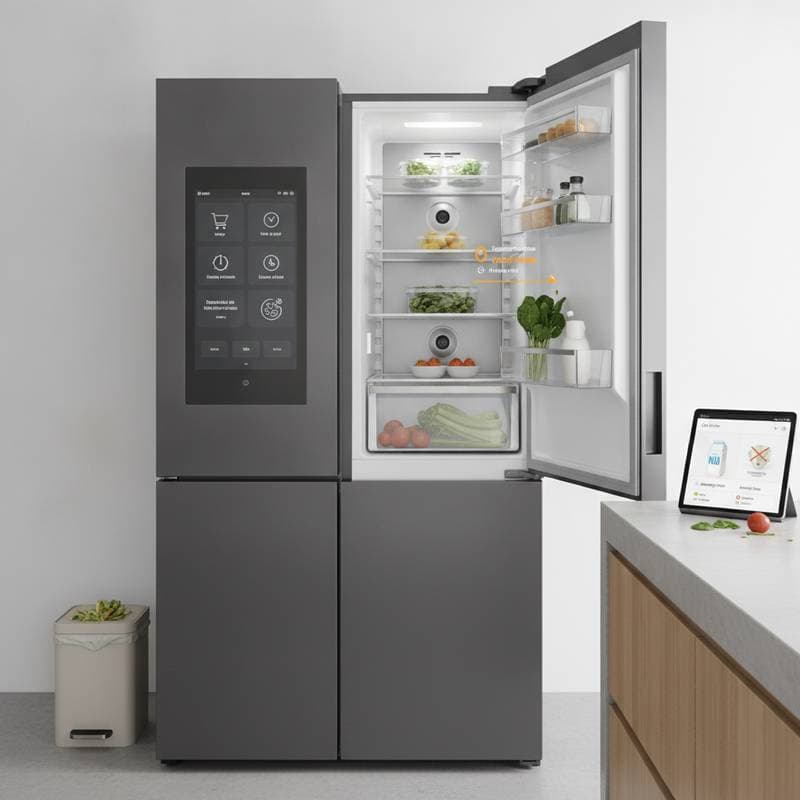
Picture a fridge that inventories contents, recalls favorite dishes, and anticipates your arrival time. It proposes dinner options, activates oven preheating en route, and schedules dishwasher cycles post-meal. Current AI systems and networked devices realize this vision today.
Foundations of Intelligent Meal Planning
AI meal planning addresses a core challenge: simplifying cooking through technology. Systems draw on grocery records, dietary choices, and calendars to generate lifestyle-matched suggestions. Appliance maker surveys indicate rising demand for automated recommendations and timed preparations, as users seek reduced stress, time savings, and less waste.
Users bypass recipe app overload or dinner indecision. The AI reviews schedules, identifies a late appointment, and selects a rapid recipe from existing stock. Connected oven, stove, and fridge then align on temperatures, durations, and alerts for fluid execution.
Integration in Smart Kitchens
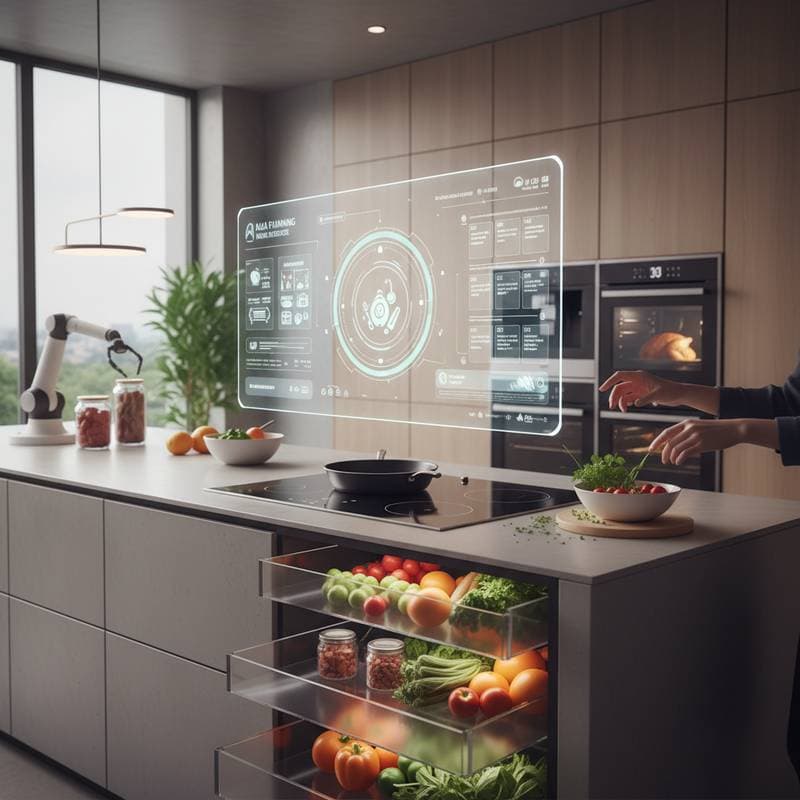
AI meal planning excels through device connectivity. Appliances share data via unified platforms, coordinating operations across the kitchen and personal tech. Fridges log contents, pantry units track essentials, and ovens import instructions from the planner.
On a demanding day, the system proposes a slow-cooker dish initiated early and completed by evening. It transmits details to the cooker, fine-tunes schedules, and prompts morning preparations. Plan shifts trigger delays or quicker alternatives.
Such harmony eases kitchen demands. Operations unfold intuitively, easing choices and supporting dietary aims. The kitchen transforms from isolated devices to a predictive network.
Streamlining Grocery and Shopping
AI meal planning extends to procurement efficiency. Inventory scans produce lists or trigger orders, considering shelf life, brands, and servings to curb excess and expenses.
If milk dwindles and recipes demand it soon, the planner adds it to deliveries. For plant-based shifts, it offers substitutes and confirms supplies. Automation cuts impromptu trips, enhancing meal enjoyment.
Grocery services integrate with home setups routinely. A fridge-inspired recipe syncs absent items to preferred platforms, streamlining the cycle intuitively.
Tailoring Meals with Data Insights
Personalization powers AI meal planning. Systems adapt via habit tracking, input, and selections for precise proposals. Lighter midday options or communal evenings prompt adjustments, while skipped or favored recipes refine future ideas.
Nutrition monitoring integrates seamlessly. Calorie reviews, balanced suggestions, and restriction handling like gluten avoidance or carb limits occur automatically. Allergen alerts and goal-based portions enhance safety and progress.
This surpasses basic apps, curating cooking to individual profiles and timelines. Usage sharpens accuracy, fostering collaborative guidance over imposition.
Practical Implementations in Action
Leading devices demonstrate these capabilities. Ovens with cameras detect items and self-adjust settings. Fridges employ internal imaging for ingredient and date recognition, linking to apps for availability-based recipes.
Suppose a fridge notes nearing-expiry seafood. It alerts the planner, which scans evenings and recommends a stir-fry. The oven loads steps, and speakers cue starts, automating flow with override options.
These cases highlight adaptive merging of links and awareness. Affordable options and intuitive interfaces broaden access beyond elites to everyday users.
Calendar Alignment for Effortless Routines
Calendar linkage represents AI meal planning's pinnacle. Schedules dictate kitchen actions, from extended shifts to social gatherings, with the AI adapting meals to availability.
Updates propagate adjustments: prolonged meetings pause preheats or hasten recipes; workouts prompt recovery nutrition. Time and preparation sync support holistic living.
Multi-person homes gain from shared calendars. Systems orchestrate collective dinners or portable breakfasts, yielding a perceptive, accommodating space.
Interfaces for Intuitive Control
Voice and display tools simplify AI interactions. Queries for menus, stock checks, or alterations use voice commands. Hubs or screens present guides, nutrition facts, and progress visuals.
Design suits varied users: novices gain directed support, experts tweak freely. Cooking becomes communal and engaging, not burdensome.
Wearable ties add depth. Activity data from watches influences protein boosts, converting metrics to wellness-aligned choices balancing ease and objectives.
Addressing Practical Challenges
AI meal planning sparks cost, privacy, and dependability discussions. Data handling and setup concerns arise, yet modern platforms prioritize clarity and ease.
Local or encrypted storage prevails, with user controls over shares. Interoperability advances minimize compatibility hurdles.
Affordability improves as basics incorporate connectivity. Incremental adoption highlights benefits: waste reduction, optimized cooking, routine fluidity.
Advancing Household Sustainability
Connected planning bolsters eco-friendliness. Ingredient and date monitoring slashes waste. Energy aligns with usage, preheating precisely or idling fridges efficiently.
Leftover recipes maximize remnants, trimming costs environmentally. Cumulative gains promote green practices, attracting conscious users alongside convenience.
Integrating AI into Daily Routines
AI meal planning embeds seamlessly, enhancing mornings with schedule-suited breakfasts and timed brews. Midday, it leverages produce for dinners, preheating arrivals.
Automation liberates planning burdens, shifting to intentional living. Families coordinate amid schedules via timed cues; children engage safely with displays.
Steps to Implement AI Meal Planning
Start by assessing current appliances for connectivity. Select a central AI platform compatible with your devices and calendar apps. Input preferences, dietary needs, and inventory via initial setup.
Test with simple recipes, refining based on feedback. Integrate shopping links gradually. Monitor adjustments for personalization, ensuring the system evolves with your habits for sustained efficiency.