Smarter Kitchens Reduce Waste
Opening a refrigerator often reveals wilted produce, expired dairy, and forgotten leftovers. Discarding these items creates both financial loss and a sense of waste. Many households face this situation weekly.
Artificial intelligence now addresses the issue through connected refrigerators that monitor contents and support better decisions. These appliances learn consumption habits, track dates, and guide users toward timely use of available food.
Scale of the Challenge
Food waste represents both a personal inconvenience and a broader resource issue. Production, packaging, and transport of discarded items consume energy and materials. Households that manage dates and portions more carefully often reduce annual spending on groceries.
Manual tracking of every item proves difficult amid busy schedules. Refrigerators equipped with sensors and learning algorithms fill this gap by handling monitoring automatically.
Core Capabilities of Smart Models
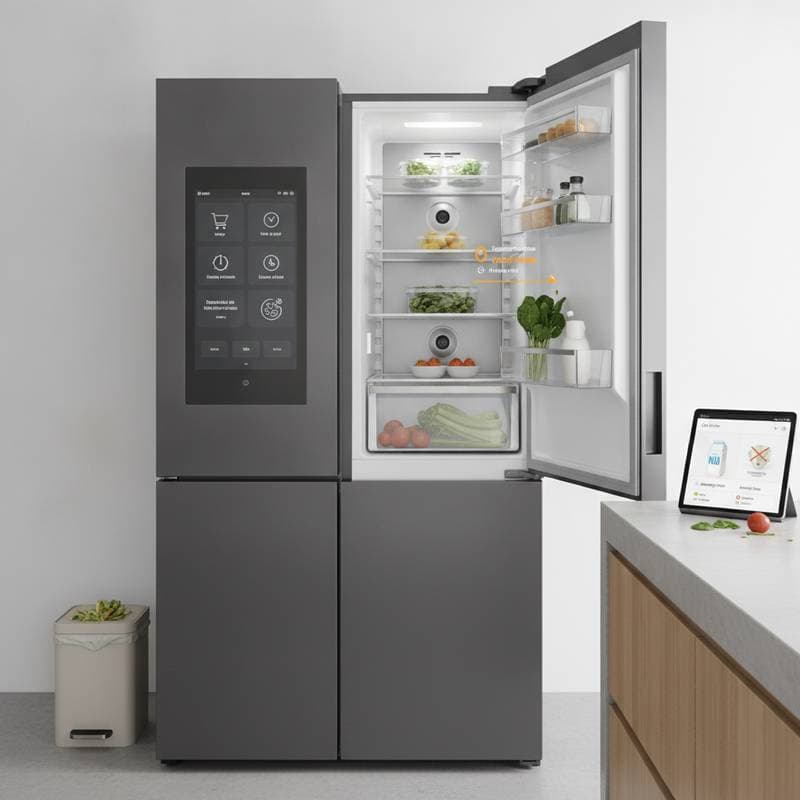
Modern refrigerators connect to home networks and employ cameras along with sensors to maintain an accurate inventory. Key functions include the following.
- Recognition of items through image analysis
- Automatic logging of expiration information
- Recipe recommendations drawn from current stock
- Notifications about items nearing expiration
- Shopping lists delivered to mobile devices
Users can check contents remotely or receive reminders before milk spoils. These tools integrate into daily routines without requiring extra effort.
How Learning Algorithms Lower Waste
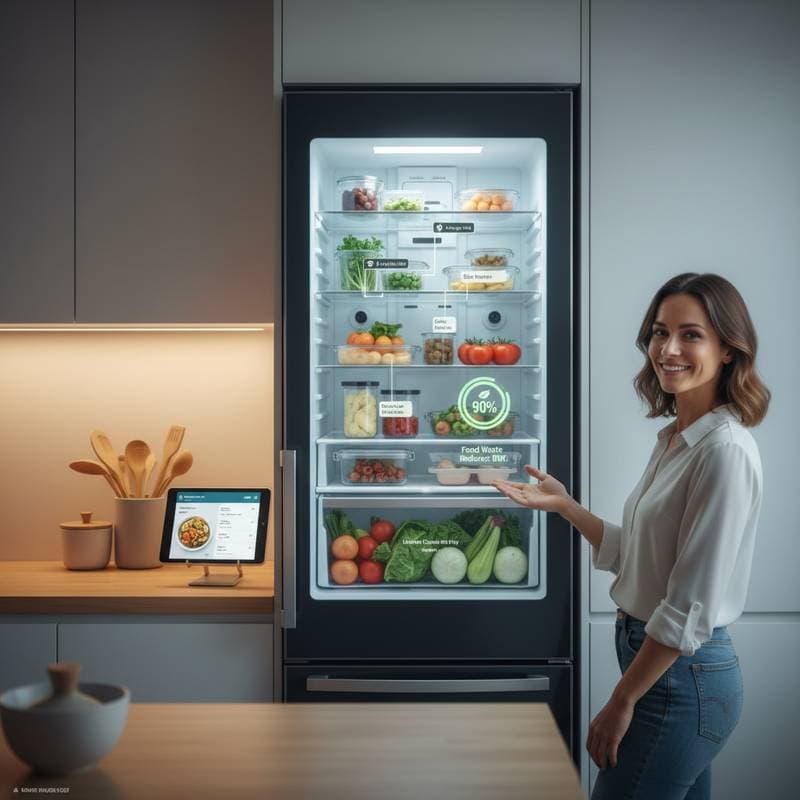
Artificial intelligence identifies household patterns over successive weeks. The system notes which foods are consumed quickly and which tend to remain unused. It may advise smaller herb purchases or propose dishes that incorporate items before quality declines.
Integration with grocery applications prevents duplicate purchases by comparing receipts against existing stock. Meal planning then centers on items already on hand, which lowers the volume of unused food.
Adaptive Storage Zones
Newer models adjust conditions within separate compartments. Sensors monitor humidity and temperature for specific food types. Leafy greens remain crisp in higher humidity while dairy stays fresh in cooler, drier sections. This zoning extends usable life by several days.
Model Options Across Price Ranges
Current offerings address different budgets and feature needs.
- Entry level units provide basic network connectivity, temperature alerts, and energy reports. They suit households seeking initial exposure to smart features.
- Mid tier appliances add internal cameras, item recognition, and recipe integration. Energy modes adapt to observed usage.
- Premium units deliver advanced identification from multiple angles, automated date tracking, and meal suggestions aligned with dietary preferences.
Selection should account for compatibility with existing voice assistants and the availability of ongoing software updates.
Connected Cooking Features
Certain high end models interface with ovens. A suggested recipe can trigger preheating and display step by step guidance on the refrigerator screen. Such connections remain in development yet illustrate future kitchen coordination.
Preparation Steps Prior to Purchase
Stable network coverage and proper ventilation space are required. Older kitchens may need outlet additions or layout adjustments. Professional installation supports reliable performance, particularly for units with water lines.
Purchase prices range from entry models near one thousand dollars to advanced configurations approaching five thousand dollars. Energy efficient components and utility rebates can offset operating costs. Buyers should review data handling policies and adjust sharing preferences within companion applications.
Next Steps for Interested Households
Define primary goals such as convenience, reduced spoilage, or lower utility expenses. Match those priorities to available models and verify network readiness. Professional setup ensures correct integration and optimal performance from the start.
The result is more consistent use of purchased food, lower monthly costs, and a kitchen that supports organized routines.