Envision a Kitchen That Maintains Itself
Picture completing dinner preparation only to see an error light on the dishwasher. Normally, one would search online forums for unclear advice. With AI-driven self-repair, the appliance conducts its own assessment, pinpoints the issue, and adjusts operations before the meal concludes. This capability appears in connected ovens, refrigerators, and coffee makers today.
The Need for Advanced Maintenance in Smart Kitchens
Contemporary kitchens feature devices that monitor inventory in refrigerators or respond to voice instructions in ovens. These tools serve as essential aids in daily routines. However, increased complexity introduces more opportunities for malfunctions, such as sensor inaccuracies, software errors from updates, or accelerated wear on components.
Conventional repair methods involve detecting faults and summoning experts, which demands time and incurs expenses. A single service visit typically costs 100 to 250 dollars, excluding additional parts or transportation charges. Across multiple devices, this diminishes the advantages of a connected kitchen.
AI self-repair alters this dynamic by enabling proactive monitoring. Appliances identify deviations, apply corrections internally, or notify users prior to escalation.
Mechanisms of AI Self-Repair
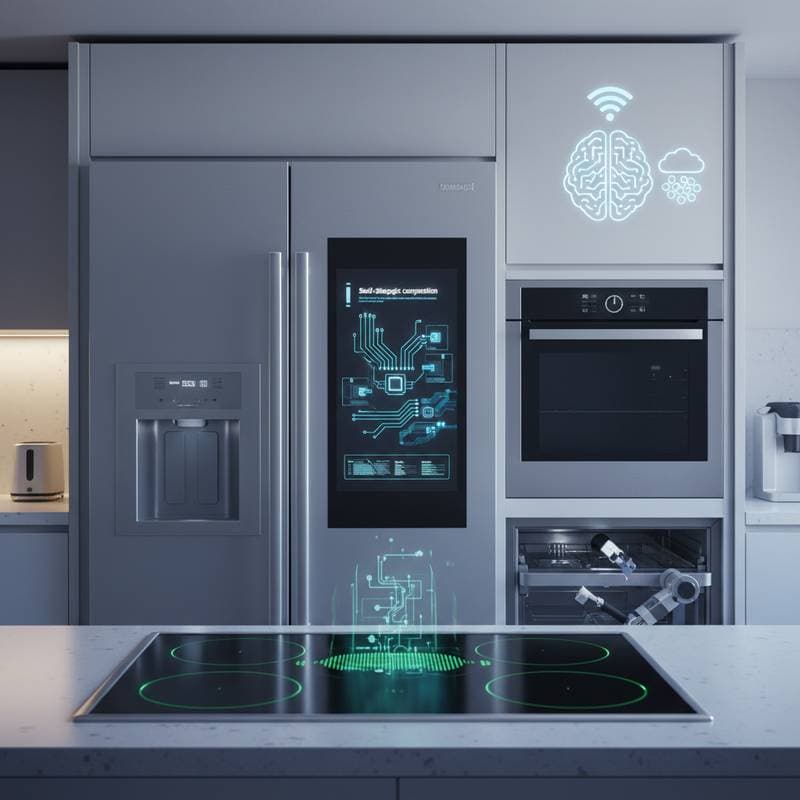
Core elements include diagnostic programs, forecasting algorithms, and integrated sensors. Devices gather information on aspects like motor velocity, thermal levels, and power usage. An internal processor then evaluates this against standard benchmarks.
Upon detecting anomalies, the AI examines trends and employs decision frameworks to isolate probable sources. Certain configurations modify parameters for immediate resolution. Others segregate affected areas and redirect operations to sustain usability pending professional intervention.
A key aspect involves cloud integration, where devices transmit anonymized metrics to manufacturer platforms. These servers analyze data from vast fleets of appliances. Such collective insights generate enhancements that anticipate emerging faults across units.
Leading Examples Available Now
Several prominent manufacturers incorporate self-repair functionalities:
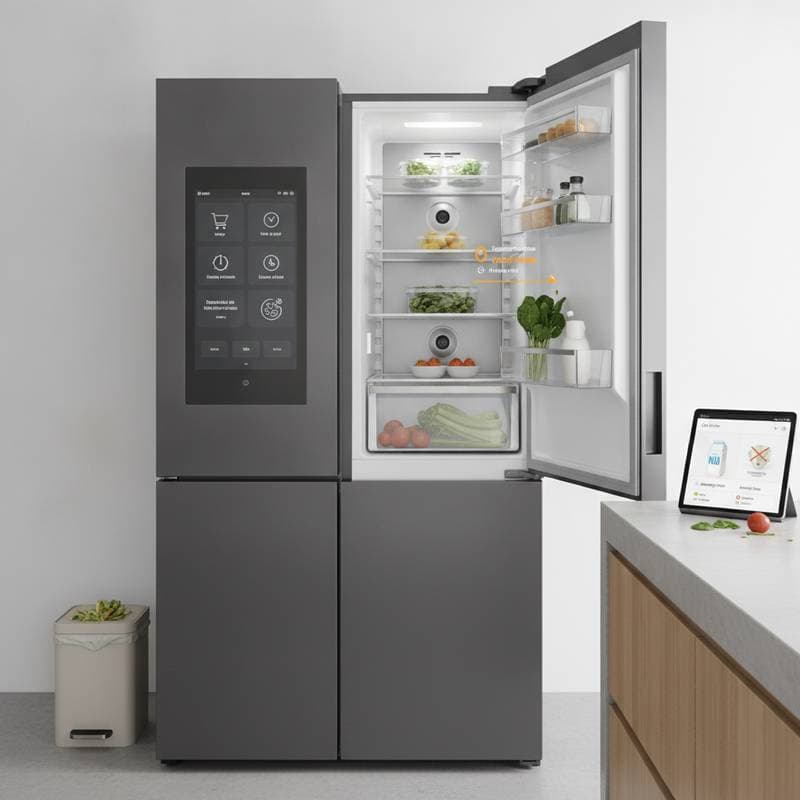
- LG InstaView ThinQ Refrigerator (approximately 1,900 dollars): Employs deep learning to identify cooling inefficiencies or seal deteriorations. Upon sensing irregular temperatures, it initiates recalibration and alerts via the ThinQ application.
- Samsung Bespoke AI Oven (approximately 1,300 dollars): Tracks heat uniformity and modifies fan rates or heating elements to address inconsistencies in cooking.
- Bosch Series 8 Dishwasher with Home Connect (approximately 1,100 dollars): Assesses water flow discrepancies and adapts pump operations to prevent error alerts.
For cost-effective options, the GE Profile Smart Range (approximately 950 dollars) provides app-based remote analysis, suggesting optimizations and upkeep prompts.
Steps to Establish a Self-Maintaining Kitchen
Integration requires a gradual strategy rather than full replacement.
- Prioritize the appliance used most often, such as a refrigerator or oven, which operate extensively.
- Verify alignment with current smart home platforms like Google Home, Amazon Alexa, or Apple HomeKit to minimize app fragmentation.
- Activate cloud-based diagnostics and firmware updates during initial configuration for access to evolving algorithms.
- Examine usage and maintenance records monthly to detect recurring patterns.
- Secure robust Wi-Fi access for all devices to support uninterrupted diagnostic exchanges.
Evaluating Expenses and Returns
Upgrading to intelligent appliances represents a substantial outlay. A high-end self-repairing refrigerator may double the price of a basic unit. Nevertheless, long-term gains in savings prove compelling.
Typical refrigerator servicing ranges from 300 to 500 dollars. Preventing two such incidents over the product's life recoups the premium. Enhanced energy management through ongoing adjustments further improves financial outcomes.
Downtime reduction stands out as another advantage. Self-correction in an oven maintains cooking schedules without delays. This reliability benefits professional cooks and households alike.
Prioritizing Safety and Expert Involvement
Advanced appliances retain mechanical elements that demand professional handling. For issues like compressor breakdowns or potential gas hazards, consult certified specialists immediately. AI assists in diagnostics but cannot substitute for thorough safety checks.
Brands collaborate with repair services to streamline processes. Diagnostic outputs can pre-inform technicians of required components, reducing visit frequency and duration.
Accessing Advanced Diagnostics
Numerous sophisticated devices feature concealed service interfaces activated by specific button sequences. These displays provide live sensor readings and enable manual adjustments. Users should reference official guides to avoid warranty invalidation.
Advancing Predictive Maintenance in Homes
This technology contributes to broader sustainability efforts in energy use. Self-maintaining appliances minimize waste by sustaining optimal efficiency in power and water consumption. They also prolong device longevity, curbing electronic discard.
Designs increasingly favor modularity, allowing easy part swaps guided by diagnostics. Future iterations may automate part procurement. Pilot programs test subscriptions that deliver components preemptively.
Anticipating Enhanced Smart Kitchen Integration
Evolving systems promise tighter coordination among devices. A refrigerator could relay food status to an oven for precise preheating. A dishwasher might sync with water sensors for refined usage. Shared data enhances predictive accuracy network-wide.
Data privacy protocols emphasize anonymization in transmissions. Review vendor policies and customize sharing options in applications for control.
Implementing Self-Repair Solutions
Begin with a single device featuring genuine diagnostic prowess beyond basic linking. Assess reviews, application feedback, and integration specifics prior to selection. Engage qualified experts for installations involving wiring or gas lines.
Platforms like HomeAdvisor or Angi facilitate connections with knowledgeable installers. Thorough setup activates full self-repair potential.
The transformation fosters assurance in daily technology interactions. Appliances that autonomously manage issues elevate living standards, from gourmet preparations to routine tasks.
Frequently Asked Questions
How do AI self-repairing appliances differ from traditional smart appliances?
Traditional models emphasize remote control and linkage. Self-repairing versions incorporate independent issue detection and resolution.
Can these appliances actually fix hardware problems?
They handle software recalibrations or functional rerouting, yet physical repairs require manual intervention.
Do self-repairing features increase electricity use?
No. They typically enhance efficiency, resulting in reduced consumption.
Are AI diagnostics reliable?
Yes, particularly with cloud augmentation. Collective data elevates precision over time.
What happens if the appliance cannot fix itself?
A comprehensive report generates to expedite expert servicing.
Are there privacy concerns with cloud diagnostics?
Data transmits in anonymized form, with app controls for personalization.
Is the technology compatible with older smart home systems?
Recent models align with standard platforms, though legacy setups may require updates.
Will AI self-repair become standard in all appliances?
Industry forecasts indicate widespread adoption as costs decline and interest rises.