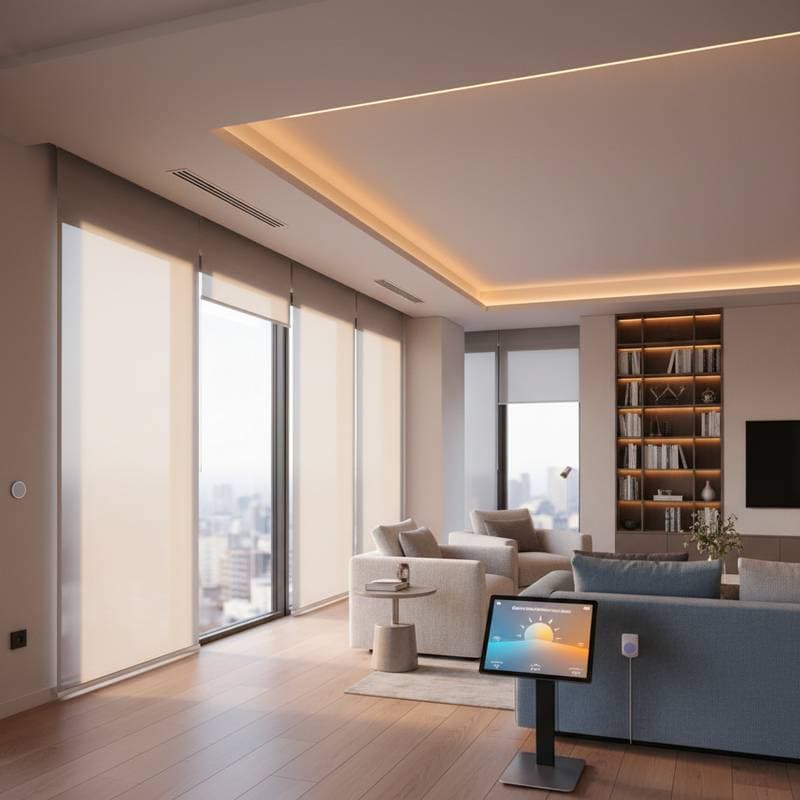
Experience Whole-Home Lighting Control with Smart Blinds
Imagine waking up to soft morning light that fills the bedroom without any switch. The blinds lift quietly. The lights brighten to a warm glow. The room feels alive.
Lighting affects energy levels, mood, and sleep quality. Traditional setups remain static. They rarely adjust to the time of day or specific activities. Homeowners often juggle switches and mismatched bulbs to create the right atmosphere.
Why Coordinated Systems Matter
Smart lighting and automated blinds combine natural and artificial light into one system. Users can brighten or dim spaces automatically. They control glare and maintain privacy without manual effort. The goal centers on an environment that feels appropriate every hour.
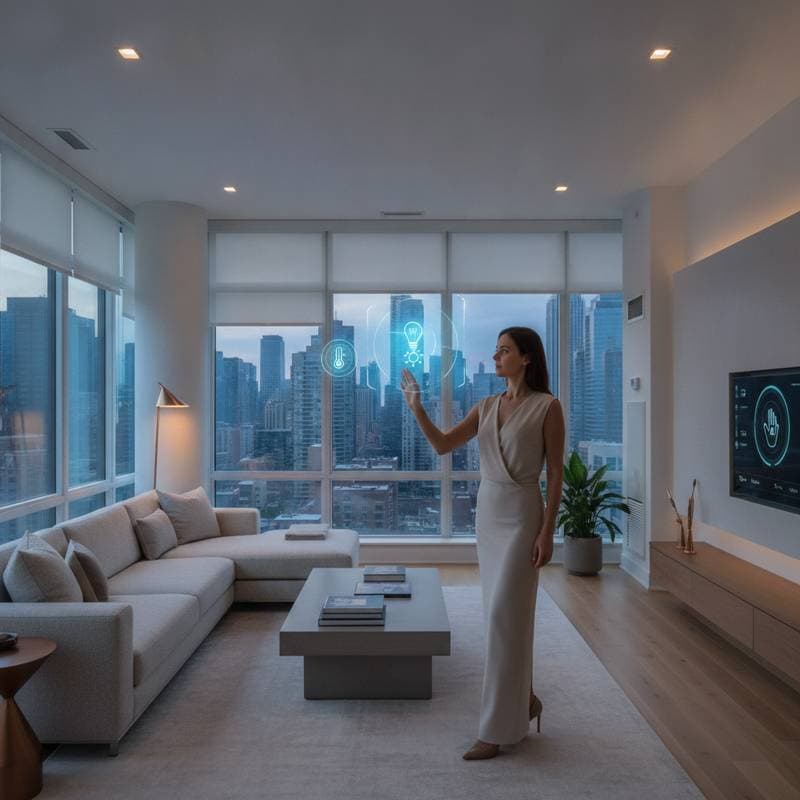
Integration relies on sensors, wireless controllers, and platforms such as Apple HomeKit, Google Home, and Amazon Alexa. These tools coordinate blinds and lights through voice commands, schedules, or light sensors.
How Integration Supports Daily Rhythms
Smart blinds lower during intense afternoon sun to keep rooms cool and protect furniture. As daylight fades, lights gradually take over. They maintain consistent illumination without excess energy use.
Pairing smart blinds with a circadian lighting system improves sleep quality. Circadian lighting shifts color temperature throughout the day. It mimics natural patterns. Combined with blinds that react to sunlight, the setup supports the body natural rhythm.
How Whole-Home Control Operates
Whole-home lighting control unifies devices that once worked separately. Smart blinds sync with bulbs, switches, and dimmers through a shared hub.
The process follows four steps. Sensors measure natural light entering the space. Smart blinds adjust based on brightness levels. Smart lighting responds by dimming or brightening. The central hub coordinates timing for smooth operation.
Selecting Appropriate Smart Blinds
Budget models such as the IKEA Fyrtur start near 179 dollars per window. They connect to the IKEA Home Smart app and support voice assistants. Mid-range options like Lutron Serena Smart Shades begin around 599 dollars per window. They deliver quiet operation and broad system compatibility.
Premium choices such as Hunter Douglas PowerView Gen 3 Shades start at 899 dollars. They offer extensive fabric options and advanced automation. Homeowners planning upgrades should select products that support Matter or Thread standards for reliable cross-brand communication.
Lighting Choices That Enhance Views
Smart blinds balance visual comfort by managing glare and contrast. Pairing Philips Hue White and Color Ambiance bulbs with compatible blinds creates smooth transitions. Morning scenes raise blinds while bulbs emit warm tones. Evening scenes lower blinds and shift lights to amber for relaxation.
Adaptive bulbs that respond to daylight can reduce lighting energy use by up to 30 percent.
Installation and Setup Steps
Battery-powered blinds suit DIY installation with basic tools. Hardwired systems require professional installation for safe low-voltage connections. During renovations, plan conduit paths and power sources early to avoid wall clutter.
Program scenes so blinds and lights do not move at the exact same moment. Stagger movements by a few seconds for natural transitions.
Room-Specific Strategies
Living rooms benefit from motion sensors paired with glare-reducing blind positions. Bedrooms use sunrise and sunset automation for gentle wake-ups and evening wind-downs. Home offices require even lighting that filters direct sun while supporting focus. Kitchens combine task lighting with blinds that rise for clear visibility during food preparation.
Maintenance and Budget Planning
Entry-level setups for two rooms begin near 600 dollars. Full-home installations with premium materials reach 8000 dollars or higher. Battery-powered units need recharging every few months. Removable packs or solar chargers simplify upkeep. Select LED bulbs rated for 15000 hours or more to maintain color consistency.
Safety and Long-Term Compatibility
Hardwired blinds require licensed installation to prevent wiring faults. Certified hubs reduce network issues. Matter-compatible products provide flexibility for future upgrades without additional bridges.
Practical Programming Advice
Begin with one or two rooms to test schedules. Place light sensors near large windows for accurate readings. Experiment with warm tones in the evening and cooler tones during the day. Keep firmware current and add voice commands for routines such as a single phrase that lowers blinds and turns off lights.
Daily Comfort Through Responsive Automation
Many homeowners start with a single room and expand after observing benefits. A compatible hub supports gradual growth. Professional installers can complete complex wiring and configuration. The result includes rooms that adapt to available light, lower energy costs, and spaces that feel consistently comfortable.