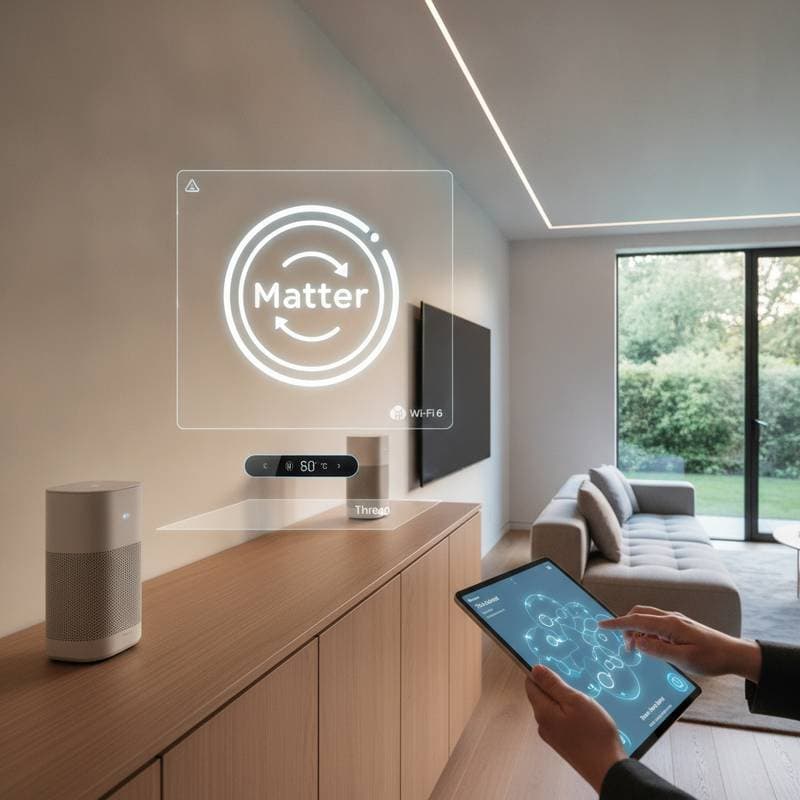
The End of the Hub: How Direct Device Communication Is Changing Smart Homes
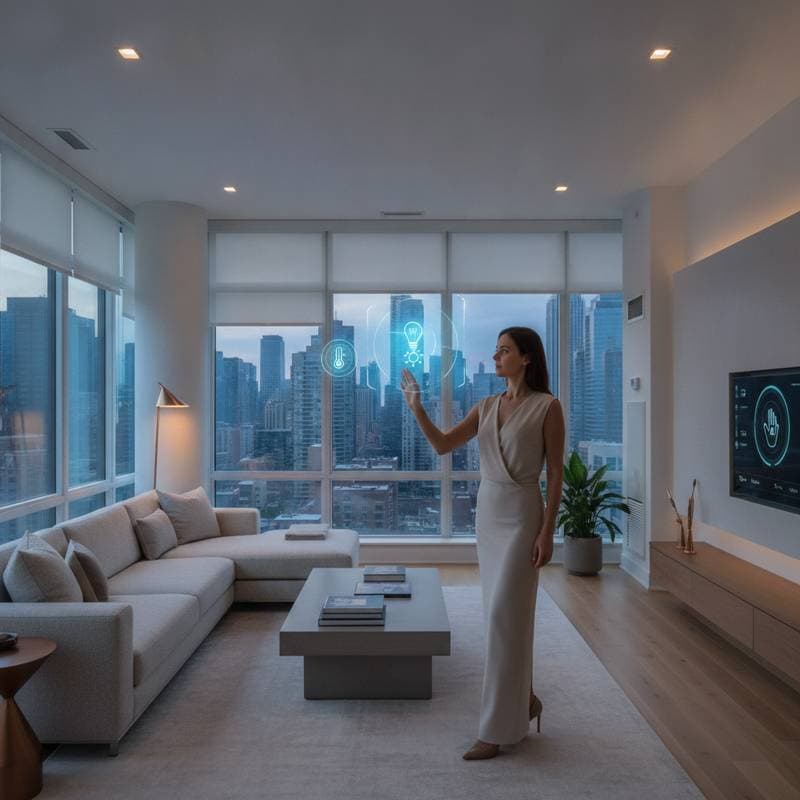
Imagine walking into your home and every light, thermostat, and speaker instantly responds to your presence. No blinking routers or confusing bridges stand in the way. Devices communicate directly with one another. This vision moves closer to reality as the next generation of smart homes eliminates the central hub.
Why Homeowners Seek Hub-Free Systems
Smart home users have long managed multiple hubs for lighting, locks, and sensors. Each addition often required separate apps and setup steps that increased complexity. A hub-free approach removes these layers. Devices connect through shared standards to deliver quicker responses and fewer failure points.
Core Technologies Enabling Direct Communication
Three protocols drive this change. Matter serves as a common language that lets products from different manufacturers exchange commands without intermediaries. Thread creates a low-power mesh network that maintains connections even during Wi-Fi outages. Wi-Fi 6 and Bluetooth Low Energy extend range and stability.
Some current devices already include Thread border routing. Smart displays and mesh routers can manage traffic without extra hardware.
Immediate Benefits for Daily Use
Response times shorten because commands travel directly between devices. Setup simplifies to QR code scans or standard app pairing. Entry costs drop without multiple bridges. Compatibility improves across brands through Matter support.
Local processing adds reliability. Devices continue to function during internet outages and keep more commands inside the home network.
Steps to Transition an Existing Setup
- Review current devices for Matter or Thread support and note any firmware update options.
- Select a controller such as a Google Nest Hub, Apple HomePod mini, or Amazon Echo that already handles the new standards.
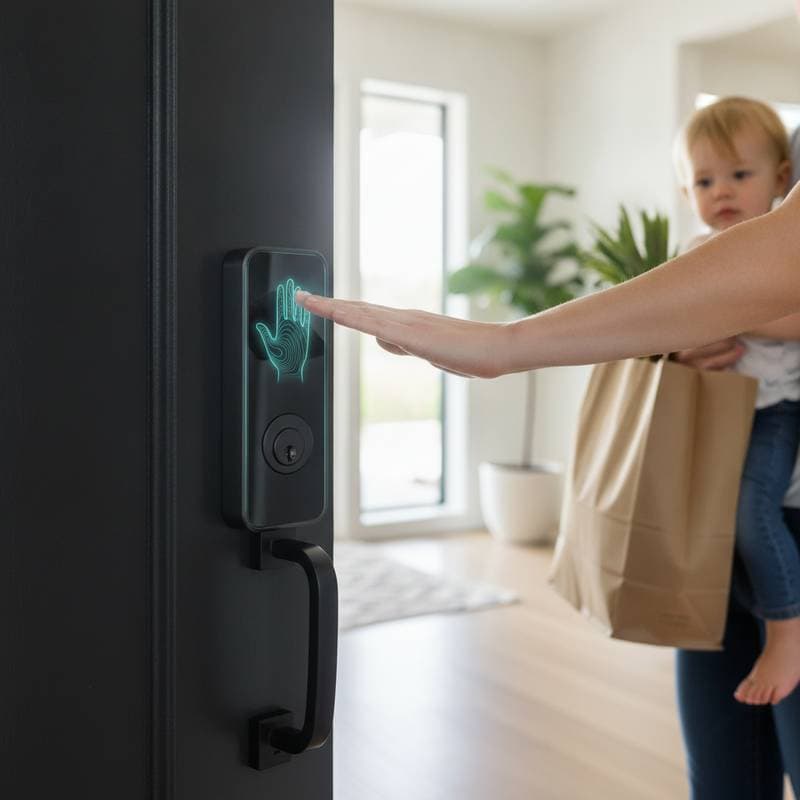
- Replace high-use items first, beginning with lighting and door locks.
- Verify local operation by testing devices after disconnecting internet access.
Recommended Devices Across Price Points
Budget options include the TP-Link Tapo Smart Plug Mini. It supports Matter and pairs with major voice assistants. Mid-range choices feature Nanoleaf Essentials bulbs that use Thread for responsive color control. Premium selections such as the Eve Energy plug combine Matter and Thread with strong privacy features for Apple Home users.
Network and Maintenance Factors
Strong Wi-Fi coverage and stable Thread mesh performance remain essential. Dual-band mesh routers address coverage gaps in larger homes. Regular firmware updates refine integration and resolve early issues. Older Zigbee systems can operate alongside new devices until replacement occurs.
Cost Ranges and Planning
Basic lighting and plug setups begin near two hundred dollars. Full systems with locks and sensors can reach one thousand dollars or more. Professional installation services help optimize router settings and device placement for best results.
Practices That Support Long-Term Success
Select products that list both Matter and legacy protocol support during the changeover period. Build automations inside native apps to keep them local. Retain one multi-protocol hub as a temporary bridge for remaining non-Matter devices.
Effects on Home Resilience and Sustainability
Direct communication reduces reliance on single brands or cloud services. The resulting network gains strength as new devices join. Fewer hubs also lower power consumption and decrease electronic waste over time.
Starting a Hub-Free Upgrade
Begin in one room by swapping bulbs and plugs for Matter-compatible models. Expand after confirming reliable local responses. The result is a quieter system that operates without constant user intervention.