Smart Rental Locks: The Power of Temporary Codes and Override Keys
Rental properties benefit greatly from smart locks that eliminate the need for physical keys. These devices offer digital access through apps, keypads, or voice activation, providing owners and renters with greater control and reliability. The latest models incorporate temporary access codes paired with override keys, blending seamless convenience with robust security for short-term rentals or long-term leases.
Why Keyless Entry Is Gaining Traction
The smart home sector grows rapidly, with keyless systems leading adoption rates. Property managers and renters prioritize ease of use, enhanced safety, and simplified upkeep when selecting digital locks. Physical keys often get lost, copied, or require inconvenient exchanges, issues that smart locks resolve entirely.
In rentals, this evolution alters daily interactions between owners and occupants. Devices track entries, issue real-time notifications, and sync with property software. Temporary codes elevate this by enabling time-specific permissions, allowing precise oversight of access.
Understanding Override Keys and Temporary Codes
An override key serves as a physical backup for digital failures, such as battery depletion or connectivity issues. Temporary codes consist of short-term numeric sequences that deactivate after a set period, like hours or days.
This duo strikes an ideal balance: codes handle routine access, while overrides guarantee entry during disruptions. Owners distribute codes to service providers or visitors without risking permanent access, and overrides prevent lockouts without invasive repairs.
Key Benefits for Rental Operations
Rentals demand adaptability, with irregular guest arrivals, sporadic maintenance, and routine inspections. Physical key distribution complicates these tasks, but smart locks automate them effectively.
Consider generating a code active from midday to dawn for a late-arriving guest; it expires post-stay, avoiding rekeying expenses or emergency calls. Overrides provide fallback assurance, ensuring smooth handling of technical glitches.
Leading Examples in the Market
Brands like Yale Assure and Schlage Encode Plus excel in flexible rental applications. These locks support remote programming and connect to platforms like Airbnb or Vrbo for automated guest codes.
August Smart Lock integrates app-based code sharing with manual overrides for offline reliability. Such products emphasize durability alongside cutting-edge features, meeting the demands of busy property handlers.
Enhancing the Guest Check-In Process
Short-term renters value frictionless arrivals, where delays from key exchanges sour first impressions. Temporary codes enable instant entry, mimicking the comfort of personal homes.
Owners gain from reduced coordination and lower loss risks, assigning unique, reservation-tied codes. This setup fosters guest independence, elevates satisfaction scores, and encourages positive feedback through effortless self-service.
Strengthening Security Measures
Owners and renters alike demand ironclad protection. Temporary codes deliver uniqueness, audit trails, and expiration to thwart misuse; alerts trigger on suspicious activity, and codes revoke instantly if needed.
Overrides bolster defenses without daily exposure, often secured off-site or paired with admin verification. This layered approach safeguards properties far beyond what traditional keys achieve.
Streamlining Remote Oversight
Remote capabilities define advanced smart locks, letting managers create or revoke codes via mobile devices from any location. This proves vital for portfolios spanning multiple sites.
Picture dispatching a code for post-departure cleaning, limited to a few hours; it lapses automatically, eliminating follow-ups and manual interventions. Such efficiency curtails overhead and eases oversight burdens.
Seamless Integration with Home Systems
Smart locks extend beyond isolation, linking to cameras, climate controls, and lights for cohesive operation. Entry triggers can adjust settings or activate recordings, optimizing energy use and vigilance.
Integrated platforms notify on check-ins and compile access histories. This connectivity positions the lock as a hub, elevating the overall rental dynamic.
Overcoming Adoption Hurdles
Skepticism around smart locks often centers on dependability, data handling, and initial investment. Addressing these builds confidence.
Dependability features include backup power warnings and local access modes, operational even without internet. Data security employs encryption, restricting logs to verified parties, while codes prevent lingering access.
Upfront costs offset through savings on lock changes, emergency responses, and labor, yielding long-term gains.
How Managers Leverage These Systems
For multi-unit overseers, smart locks consolidate key management into digital interfaces, logging entries for security and verification.
Analytics forecast vacancy periods for timely upkeep, with codes facilitating quick handoffs. Compliance with access and privacy laws becomes straightforward, supporting regulatory needs.
The Essential Backup Role of Override Keys
Electronic reliance necessitates physical redundancies. Overrides ensure authority retention during outages, stored securely and sometimes tracked for use.
This hybrid model upholds access continuity, blending tech with tangible reliability.
Emerging Innovations in Access Control
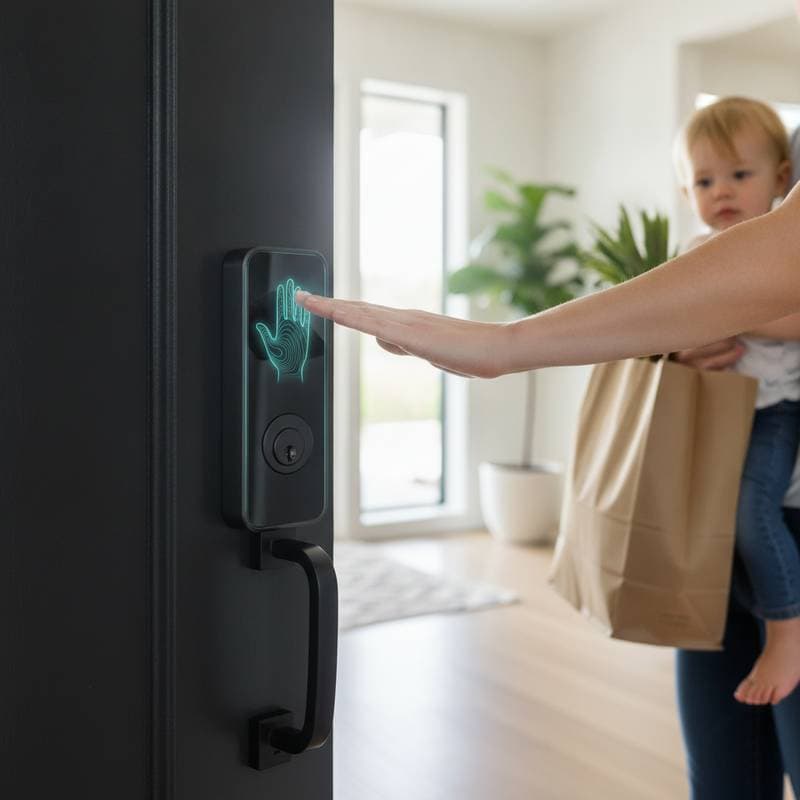
Future locks may fuse biometrics like fingerprints with codes for heightened precision. Voice activation expands, enabling touchless operation.
Standardized protocols will enhance cross-brand compatibility, simplifying setups and reducing upkeep for diverse rental networks.
Selecting the Right Smart Lock for Rentals
When evaluating options, focus on these essentials:
- Battery Durability: Opt for extended-life units with recharge notifications; solar options add sustainability.
- Network Options: Prioritize dual Wi-Fi/Bluetooth support and broad ecosystem ties.
- Protection Levels: Verify end-to-end encryption and multi-step admin safeguards.
- Access Flexibility: Choose code tools for custom durations and auto-deactivation.
- Emergency Provisions: Confirm override mechanisms or alternative entries.
These criteria secure a dependable, user-friendly upgrade.
Unlocking Efficiency in Modern Rentals
Temporary codes and override keys empower owners with control, guests with ease, and managers with streamlined workflows. This technology transcends novelty, delivering tangible improvements in security and operations.
As advancements unfold, rentals will offer increasingly intuitive, adaptive environments tailored to individual stays.