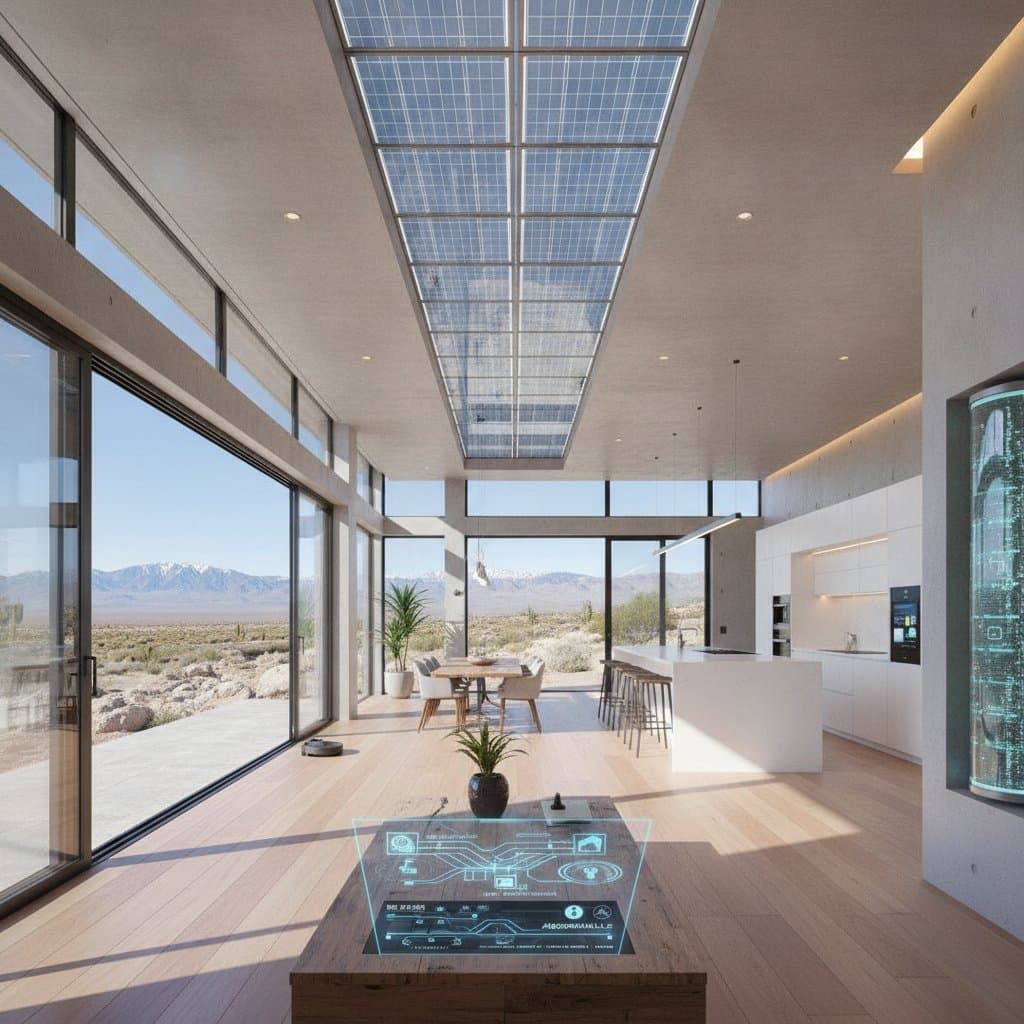
Solar Smart Homes Unlock Sustainable Off-Grid Living
Smart homes are moving from novelty to necessity. Solar technology supplies them with a sustainable edge. The possibility of living comfortably on renewable energy alone is now achievable through integrated solar panels, intelligent energy management, and connected devices.
A solar smart home forms a connected ecosystem. Automation, storage, and data-driven control combine to deliver independence. Homeowners gain comfort, cost savings, and eco-conscious living while the system redefines off-grid existence.
From Solar Panels to Smart Ecosystems
Traditional solar setups generate power. Smart solar homes extend further by uniting energy production, storage, and intelligent distribution in one networked system. The home tracks its own usage and adjusts energy flows in real time.
Such a home charges batteries during daylight, operates appliances when sunlight is abundant, and draws stored energy at night. Automation platforms execute these decisions without intervention. Lights dim during peak hours. Water heaters activate when panels produce most. Electric vehicles charge when demand on external sources is lowest.
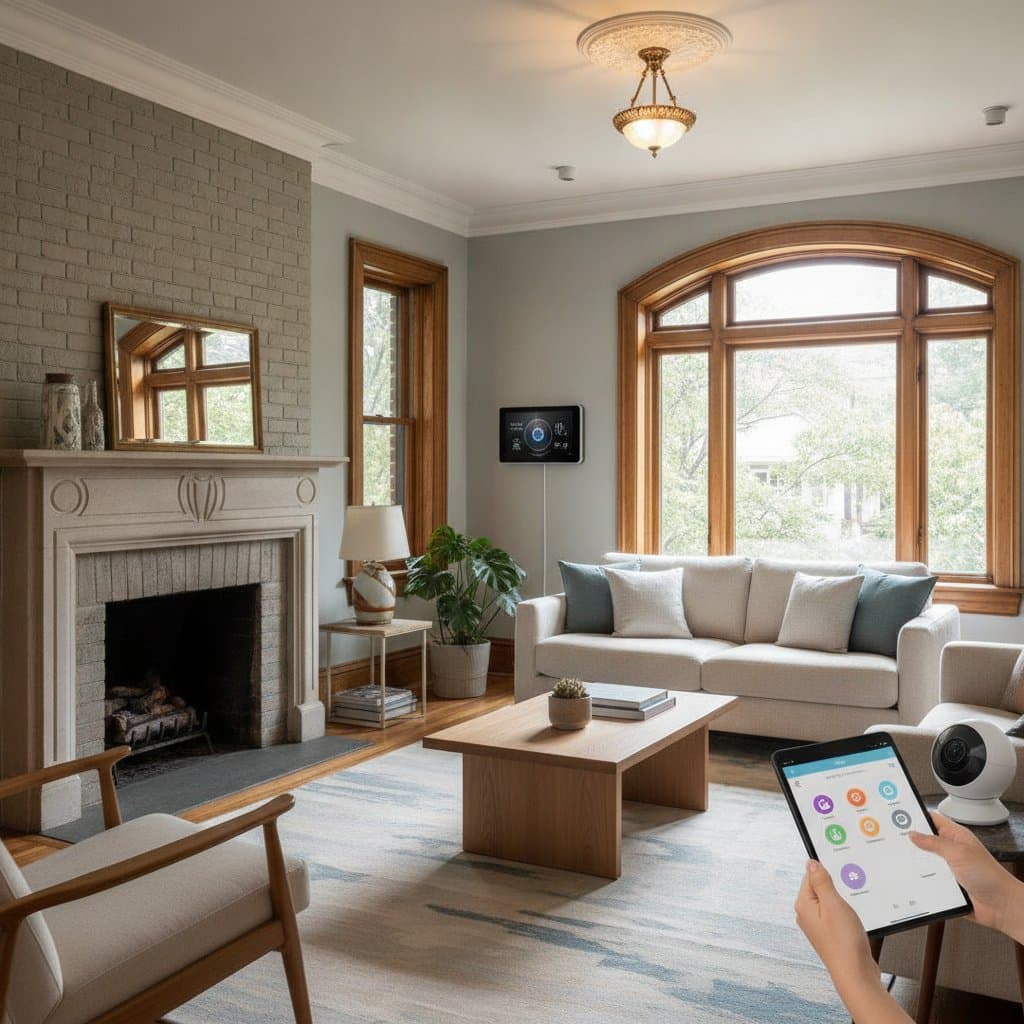
Advanced sensors and connected controllers interpret usage data. A single app displays production volumes, distribution paths, and further optimization options. The home therefore manages energy rather than merely conserving it.
Intelligent Energy Management
Intelligent energy management forms the core of every solar smart home. The system balances generation, storage, and consumption according to time of day, weather forecasts, and household patterns.
It tracks solar output and directs power to priority locations automatically. Waste declines and grid dependence drops, which proves essential during outages or in remote areas. Platforms such as Tesla Powerwall or Enphase tools supply full visibility. They learn usage rhythms and align flows with daily routines.
Critical devices receive priority during low-sunlight periods. Less urgent loads wait until production rises.
Predictive Battery Storage
Battery storage has advanced beyond simple backup units. Modern systems apply forecasting algorithms to anticipate demand and solar availability.
They charge and discharge according to usage trends and sunlight predictions. This capability supports genuine off-grid operation by maintaining reserves even when weather shifts. Lithium-ion packs integrate with home platforms to decide when to conserve or release energy. Extra power is stored ahead of cloudy periods or high-use evenings.
Manual adjustments become unnecessary. The system anticipates needs and responds automatically.
Sun-Synced Appliances
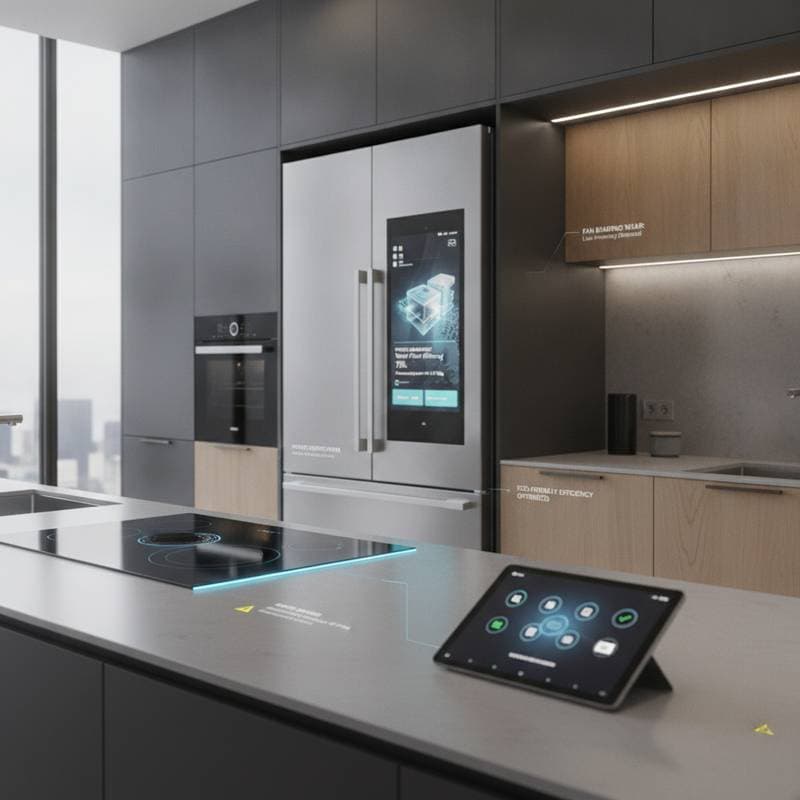
Smart appliances now participate in energy decisions. Refrigerators, washers, and HVAC units communicate with solar systems to run during optimal production windows.
Operation is timed to coincide with peak solar output. Efficiency rises and grid draw falls. A washing machine can postpone its cycle until midday. A thermostat can moderate cooling according to both comfort settings and available solar supply.
Household routines gain an underlying awareness of energy availability.
Automation for Daily Comfort
Automation elevates the solar smart home beyond energy functions alone. Connected systems manage lighting, temperature, and environmental settings in response to real-time conditions.
Blinds close automatically in the afternoon to limit cooling demand. Water preheats during peak solar hours. Integration with platforms such as Google Home or Apple HomeKit links routine devices into one coordinated network.
The living environment adapts to occupants and external conditions without constant oversight.
Off-Grid Connectivity
Off-grid living no longer requires sacrifice of modern amenities. Renewable generation, smart storage, and connected devices together deliver reliable performance.
A self-sustaining system operates independently from public utilities while preserving full functionality. Resilience against outages and rising costs improves, and environmental impact shrinks. Rural properties can rely entirely on solar paired with satellite internet. Suburban homes can adopt hybrid arrangements that permit selective disconnection.
Independence therefore centers on choice rather than isolation.
Data-Driven Performance Tracking
Real-time analytics reveal production and consumption patterns. Homeowners receive clear breakdowns of energy flows and receive suggestions for waste reduction or maintenance timing.
Transparency supports informed adjustments to habits and equipment choices.
Electric Vehicle Integration
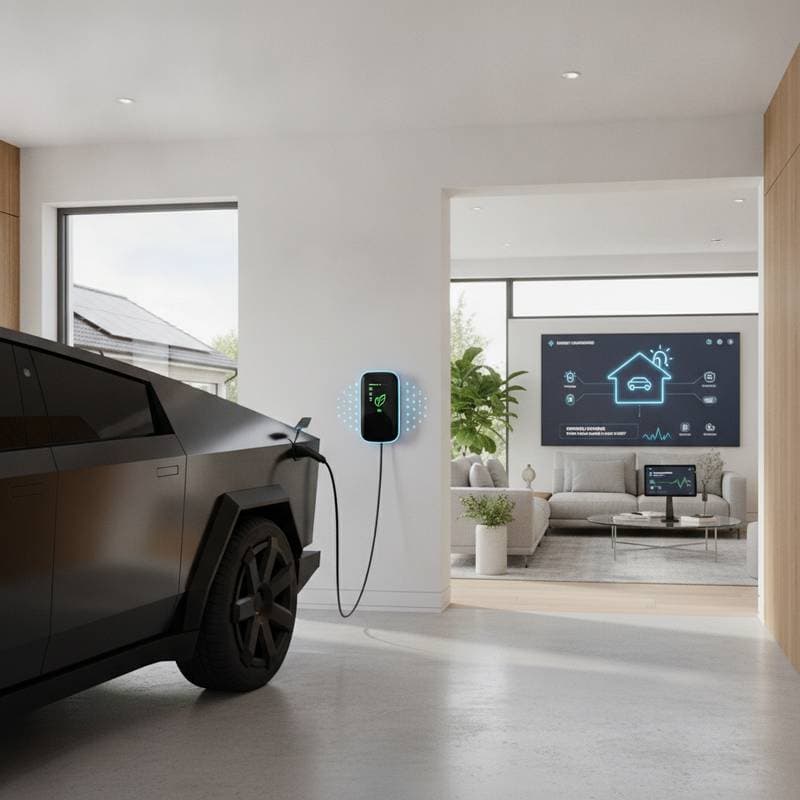
Electric vehicles and solar homes form a closed energy loop. Solar panels charge the vehicle. Bidirectional charging allows the vehicle battery to supply the home during peak demand or outages.
Mobility becomes an active component of household energy strategy.
Integrated Solar Architecture
Architects now embed solar materials directly into building structures. Solar roof tiles and facades generate power while preserving visual appeal. Combined with smart shading and insulation, these designs achieve natural energy balance.
Sustainability merges with architectural quality.
Voice and App Control
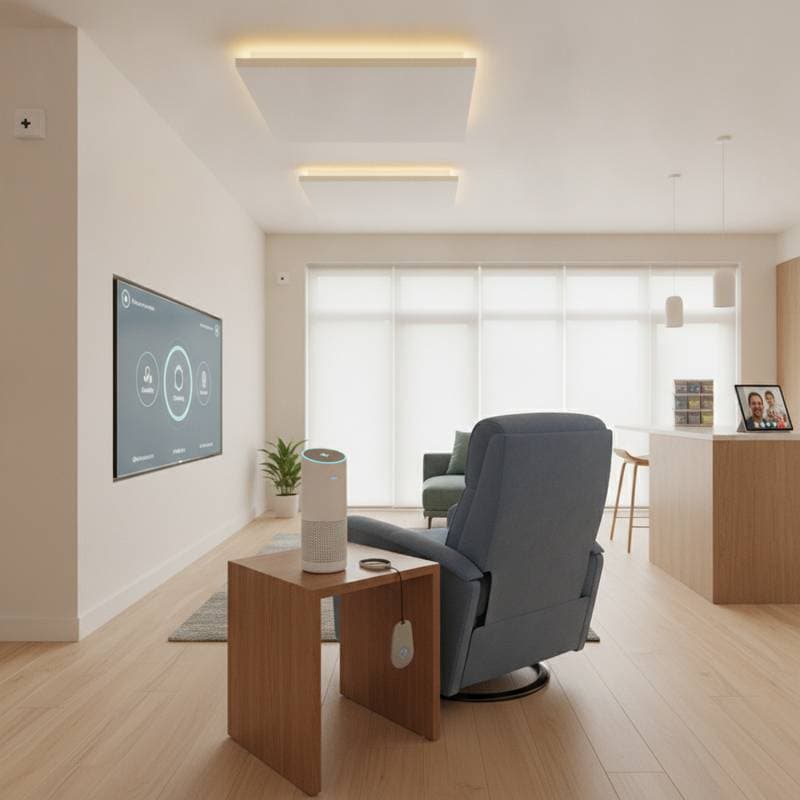
Voice assistants serve as command centers for energy oversight. Homeowners can query daily generation totals or instruct the system to prioritize vehicle charging through ordinary spoken commands.
Advanced functions become accessible without technical complexity.
Community Microgrids
Microgrids extend benefits beyond single homes. Multiple residences share surplus solar power and storage through localized networks. Surplus energy moves automatically among participants. Waste decreases and neighborhood resilience increases.
Personal autonomy and collective support operate together.
Practical Transition Steps
Homeowners can adopt solar smart systems incrementally. Begin with an energy audit to identify usage patterns. Install solar generation sized for the property. Add scalable battery storage. Introduce automation for climate control first, then expand to lighting and appliances. Review performance data regularly to refine settings.
Compatible devices and open platforms ensure components communicate effectively.
Benefits of a Cohesive System
A unified solar smart home delivers efficiency, resilience, and daily convenience. Each added element strengthens overall performance while maintaining occupant comfort.