Smart Locks Identify Family Members Through Footsteps
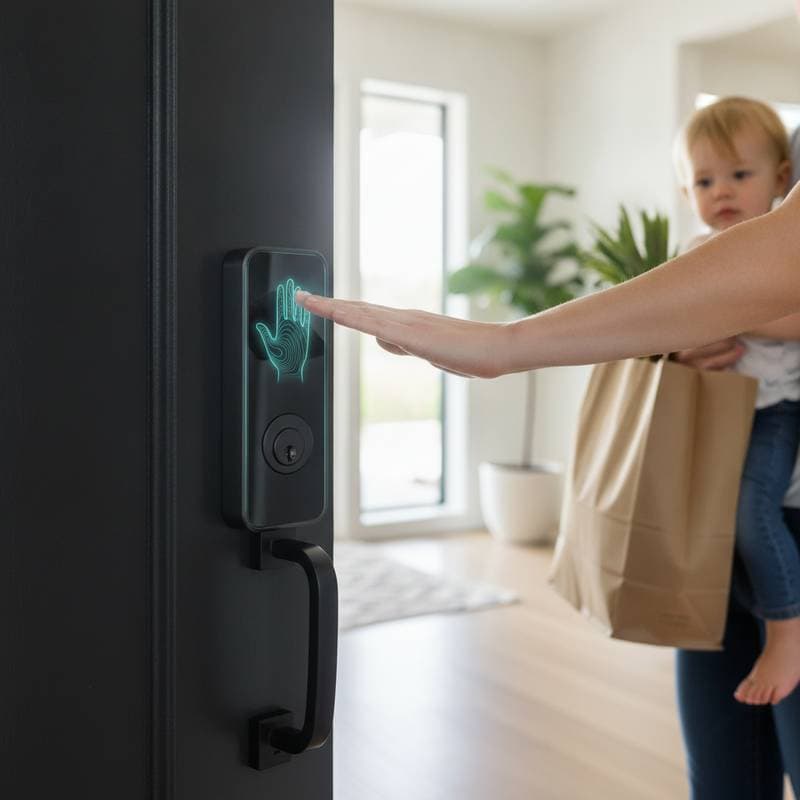
Picture arriving home with arms full of groceries. The door unlocks automatically as you near it, without fumbling for keys or entering codes. This scenario becomes reality through footstep recognition in smart locks. The technology employs vibration sensors and machine learning to detect unique walking patterns, delivering enhanced convenience and security for smart homes.
Limitations of Current Smart Lock Systems
Contemporary smart locks facilitate entry via keypads, mobile applications, or biometric scans like fingerprints. These methods demand physical interaction, such as pressing buttons or positioning a device. Vulnerabilities exist, including potential hacking or failures under certain conditions.
Biometric options, including fingerprint and facial recognition, perform reliably in ideal settings. However, challenges arise with soiled hands that hinder scans or low-light environments that impair facial detection. Mobile-dependent systems falter when batteries deplete. The pursuit remains for security that operates flawlessly without user intervention.
Advantages of Gait-Based Entry Systems
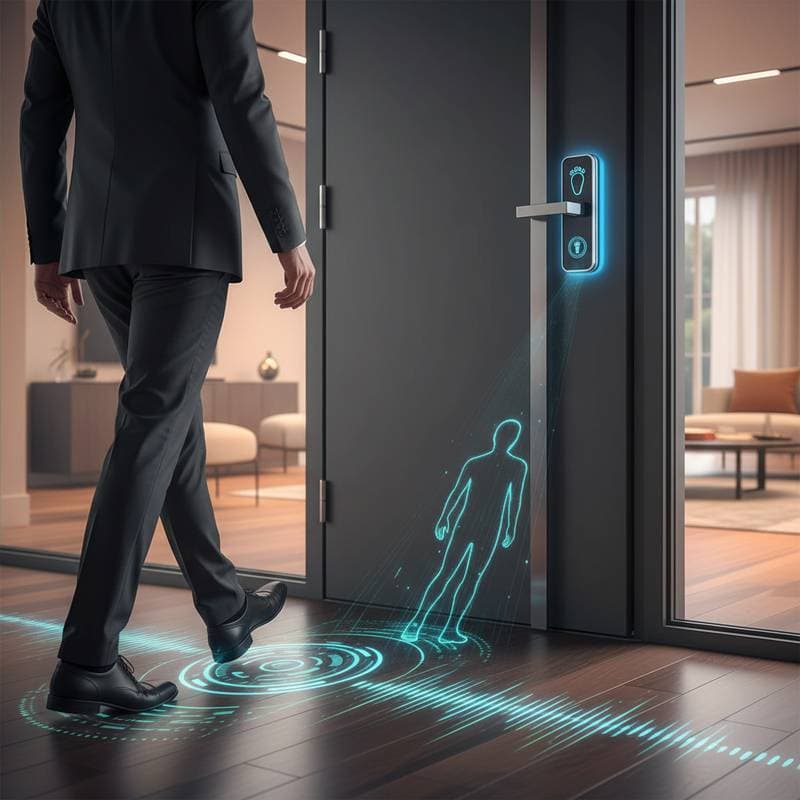
Gait recognition introduces a level of seamlessness unmatched by prior technologies. The system identifies approaching individuals solely through the vibrations from their footsteps. Distinct elements, such as heel impact, step cadence, and weight distribution, form a unique signature for each person.
Sensors embedded in floors, door frames, or the lock unit capture these patterns before arrival at the entrance. The technology not only grants access to authorized family members but also issues notifications for unrecognized approaches, bolstering overall safety.
Mechanics of Footstep Recognition Technology
Gait recognition integrates multiple components for effective operation:
- Vibration Sensors: Accelerometers and pressure detectors register the faint tremors .
- Machine Learning Algorithms: These models train on household members' patterns, improving precision with continued use.
- Smart Device Integration: The lock interfaces with cameras, motion detectors, and voice assistants to confirm identities or activate features like interior lighting.
A valuable consideration involves retrofitting existing setups. Many systems layer gait detection onto current smart locks as supplementary verification. This method elevates both usability and dependability, particularly in homes with pre-installed sensors.
Available Products and Pricing
Several products introduce gait recognition within comprehensive security frameworks rather than as isolated units.
Affordable Choice: The SwitchBot Lock Pro with Door Sensor Kit costs approximately $129. Pair it with the Aqara FP2 Presence Sensor at about $79 to approximate basic footstep detection. Users must configure this combination, yet it demonstrates core functionalities.
Intermediate Selection: The Eufy Security Smart Lock C220, priced at around $199, features Wi-Fi and motion sensing. Connected via a hub, it analyzes approach behaviors to predict authorized users, approaching full gait capabilities through proximity data.
High-End Solution: The Yale Assure Lock 2 Plus with Apple Home Key and Presence Mat Integration runs about $299. Integrated with pressure mats, it distinguishes registered users from others. Compatibility extends to platforms like Apple Home or Google Home.
Market trends indicate broader adoption as components become more affordable and algorithms refine. Expect gait identification to integrate standardly into premium models soon.
Key Factors for Purchasing Decisions
Adopting gait recognition demands thoughtful preparation. Consider these aspects prior to installation:
- Power and Network Requirements: Systems require steady electricity and stable Wi-Fi. Battery-powered locks often lack capacity for additional computations.
- Setup Demands: Options may involve subfloor sensors or mats. Engage professionals for precise alignment.
- Data Privacy Measures: Evaluate how biometric data is managed. Prefer local processing over cloud storage for enhanced protection.
- Budget Expectations: Allocate $200 to $500 for a standard configuration, encompassing lock and sensors.
- Ongoing Upkeep: Recalibrate periodically if environmental changes affect performance.
Renters or those hesitant about alterations can employ portable mats connected to existing locks for a trial run without invasive changes.
Expert Observations on Implementation
Gait accuracy heightens when incorporating vibrations from surrounding areas. Concrete porches or tiled thresholds yield clearer signals than carpeted or wooden surfaces. During renovations, select materials that propagate vibrations effectively to optimize sensor efficacy.
Integrate temporal factors to minimize errors. Restrict recognition to anticipated arrival periods, filtering out incidental motions. This strategy aligns with commercial security practices, ensuring reliability without frequent adjustments.
Expanding Benefits of Gait Recognition in Homes
The technology excels in its intuitive design, eliminating physical interactions for entry. It supports accessibility for those with physical limitations or when hands are occupied. Family-specific responses, such as activating preferred lighting or climate settings, add tailored comfort.
Beyond access, gait data enables broader automations. Footstep signatures could initiate music selections or adjust ambient lighting upon entry. This personalization elevates the smart home into a responsive environment.
Ensuring Safe and Compliant Installation
Prioritize safety in any sensor-based upgrade. Verify devices carry residential certifications and suit your electrical infrastructure. For wiring or embedded sensors, consult licensed professionals.
Low-voltage designs prevail, though errors risk disruptions. Qualified installers complete tasks swiftly, often within hours, while confirming regulatory adherence. Platforms like HomeAdvisor connect users to verified experts for estimates.
Steps to Implement Gait Recognition
Begin modestly by linking a vibration sensor to your present lock via a hub. This approach allows evaluation of responsiveness prior to larger investments.
Advanced setups benefit from sequential sensors along pathways. Multiple points capture comprehensive gait details, refining identification precision and delivering a secure, welcoming home experience.