Smart Kitchens Sync Appliances to Your Calendar in 2026
The home automation landscape expands rapidly, yet the kitchen stands out as the epicenter of innovation. Connected devices evolve beyond basic controls into systems that predict and adapt to user needs. Synchronization with personal calendars represents the forefront of this progress, enabling appliances to align with daily schedules. Ovens preheat precisely when meetings conclude, refrigerators suggest timely defrosting, and coffee makers brew at optimal morning times. This integration transforms routine tasks into effortless experiences.
Foundations of Calendar-Connected Kitchens
Initial smart kitchen features focused on remote access, recipe guidance, and voice commands. Current developments emphasize predictive capabilities tied to lifestyle patterns. Appliances now draw from calendar data to automate planning and execution, conserving time and cognitive load.
Consumer research highlights preferences for features that enhance efficiency and sustainability. Professionals balancing remote work and travel benefit most from these adaptations. Technology shifts from reactive tools to proactive partners in daily management.
Personalized Meal Planning via Schedule Integration
Advanced systems analyze calendar entries to forecast availability and meal windows. Refrigerators detect free evenings and prompt ingredient preparation. Ovens initiate preheating as work sessions wrap up, while coffee makers align with wake-up routines.
Platforms such as Samsung SmartThings and LG ThinQ incorporate calendar feeds from services like Google Calendar or Apple Calendar. These connections foster proactive responses, ensuring meals align with personal timelines. Cooking evolves from obligation to integrated harmony.
Optimizing Energy Through Scheduled Operations
Calendar synchronization extends to resource management, timing appliance use for minimal environmental impact. Dishwashers activate during low-demand periods, and refrigerators enter conservation modes during absences. This approach aligns household activities with utility fluctuations.
Research indicates potential electricity savings of 25 percent through pattern-based adjustments. Ovens might bake during nighttime off-peak rates, and defrost cycles postpone until post-meal hours. Such strategies promote ecological responsibility alongside cost reductions.
Inventory Tracking Linked to Upcoming Events
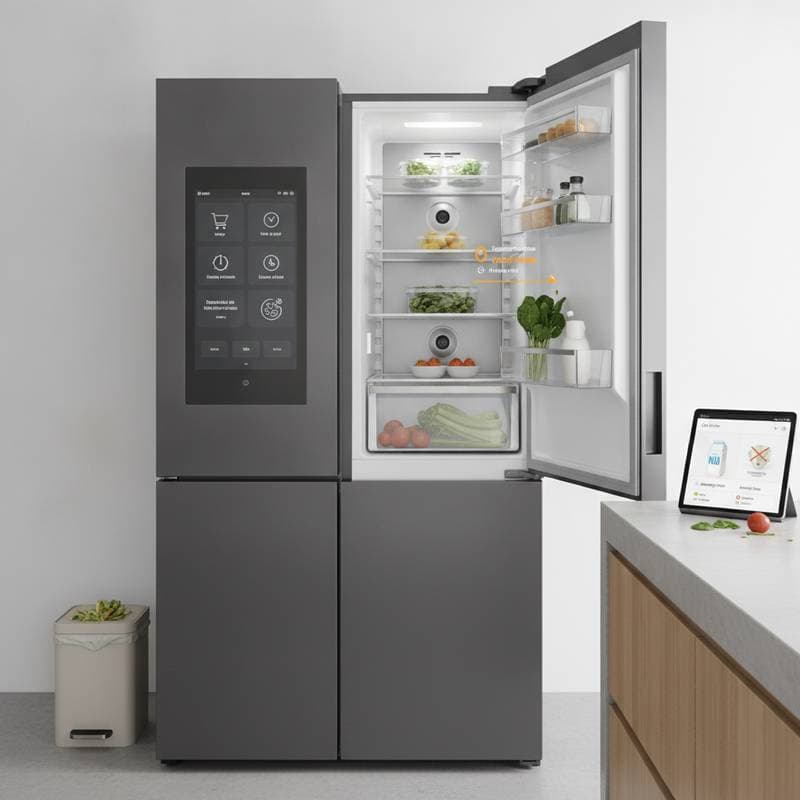
Future kitchens integrate shopping with scheduling to maintain supplies effortlessly. Calendar notations for social events trigger inventory checks and automated list updates. Fridges equipped with cameras, like those from Bosch and GE, monitor stock levels in real time.
Systems anticipate needs, such as ordering staples midweek for weekend plans. Notifications query preferences, for instance, confirming deliveries ahead of dinners. This prevents shortages and minimizes food waste through precise forecasting.
Contextual Guidance for Time-Constrained Cooking
Intelligent assistants evaluate calendar density to tailor recommendations. Busy periods yield quick-prep options, while open schedules allow complex dishes. Displays coordinate with appliances, setting temperatures and activating hoods seamlessly.
Voice systems including Alexa, Siri, and Google Assistant interpret context for enhanced support. They bridge automation with personal habits, adjusting lighting and timers dynamically. The result is a fluid cooking process attuned to daily demands.
Harmonized Device Interactions
Unified ecosystems ensure appliances collaborate based on calendar cues. Coffee brewing coincides with alarms, ovens warm upon approach, and dishwashers cycle post-dinner. Central hubs like those from Amazon, Apple, and Google facilitate this interplay.
Interoperability standards evolve to support multi-brand setups. Focus shifts from isolated functions to collective responsiveness. Kitchens operate intuitively, mirroring user rhythms without manual oversight.
Intelligent Alerts and Real-Time Adjustments
Notifications adapt to disruptions, such as extended meetings delaying oven starts. Systems recognize skipped routines and pause accordingly. Machine learning refines these responses over time.
This prevents inefficiencies like energy loss or ruined dishes. Background operations maintain reliability, offering reassurance through silent efficiency. Users gain freedom from constant monitoring.
Safeguarding Privacy in Integrated Systems
Access to schedules and locations demands robust protections. Manufacturers implement end-to-end encryption and user-defined sharing controls. On-device processing keeps data local, reducing cloud dependencies.
Privacy interfaces allow easy permission reviews. Select brands with transparent policies to balance functionality and security. As features advance, ethical data handling remains paramount.
AI's Influence on Adaptive Automation
Artificial intelligence processes calendar information to discern habits and propose refinements. It adjusts reminders for frequent delays or automates overlooked tasks like post-event cleanups. Sensor and voice data enrich this learning loop.
Projections suggest widespread adoption across appliances. Kitchens grow more perceptive, handling details autonomously. Users engage with environments that evolve alongside their lives.
Benefits for Shared Households
Family or communal settings gain from collective calendar views. Displays highlight usage times and meal proposals. Voice identification personalizes suggestions, easing coordination.
Parents align cooking with youth schedules; roommates sidestep morning conflicts. This fosters smoother interactions, enhancing overall home dynamics.
Market Trends in Scheduling Technologies
Market analyses forecast strong demand for planning aids. Surveys prioritize chore simplification, positioning calendar links as key draws. Manufacturers enhance compatibility with dominant platforms.
Retail packages combine devices with apps for easy entry. Automation progresses toward contextual awareness, minimizing user intervention while maximizing utility.
Implementing Calendar Sync in Your Kitchen
Select interconnected appliances over standalone units. Platforms like SmartThings, HomeKit, and Google Home unify brands effectively.
Follow these steps:
-
Introduce core devices, such as scheduling-enabled ovens or fridges.
-
Integrate primary calendars with the home hub for routine analysis.
-
Establish settings for operations, energy preferences, and habits.
-
Review performance weekly, allowing adaptation through use.
Benefits include time savings, lower bills, and streamlined routines. Appliances manage logistics, elevating daily comfort.
Embracing Anticipatory Home Efficiency
Mature systems dissolve barriers between intention and action. Groceries replenish automatically; meals prepare on cue. Mental bandwidth shifts to priorities beyond maintenance.
Kitchens redefine as nurturing spaces, prioritizing enjoyment over oversight. This evolution promises sustained enhancements in living standards.