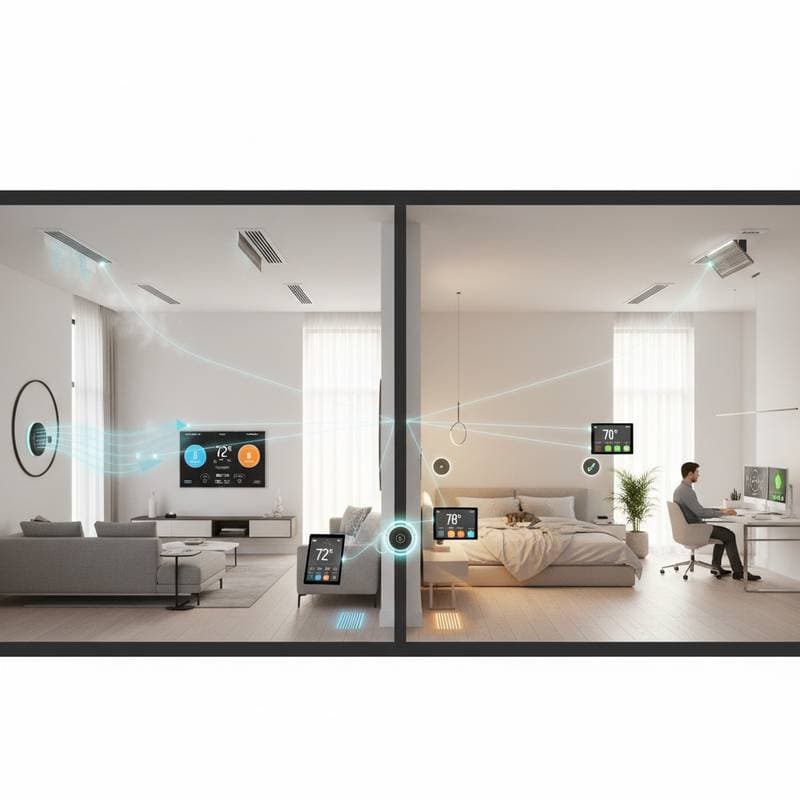
Zoned Smart Homes Advance Beyond Single Thermostats
Smart homes progress beyond the limitations of a single thermostat dictating the entire household climate. Homeowners increasingly adopt zoned climate systems that adjust temperatures individually per room, reflecting actual usage patterns. This evolution combines enhanced comfort, customization, and energy conservation in a manner that appears innovative yet remains grounded in practicality.
Traditional heating and cooling setups applied uniform conditions to all areas, leading to overheated bedrooms, underheated basements, or excess energy expenditure in vacant spaces. Zoned HVAC technology addresses these issues by enabling independent temperature management for each zone. Families thus achieve comfort aligned with their schedules while curtailing avoidable energy consumption.
Limitations of Traditional Thermostats in Contemporary Homes
The conventional thermostat emerged in an era of compact residences, routine schedules, and modest energy expenses. Today's homes feature diverse room purposes and fluctuating occupancy, which a centralized control struggles to accommodate.
Research indicates that heating and cooling comprise approximately half of average household energy use. Substantial portions of this energy condition empty areas unnecessarily. Zoned systems mitigate this by segmenting the home into distinct zones, each regulated separately, with sensors identifying occupancy to direct climate adjustments precisely.
Such systems align with current lifestyles. For example, a household may prefer cooler kitchen temperatures during meal preparation, while maintaining warmer bedroom settings for rest. Zoned setups foster individualized micro-climates that honor varied preferences over uniform applications.
Core Technologies Enabling Zoned Climate Management
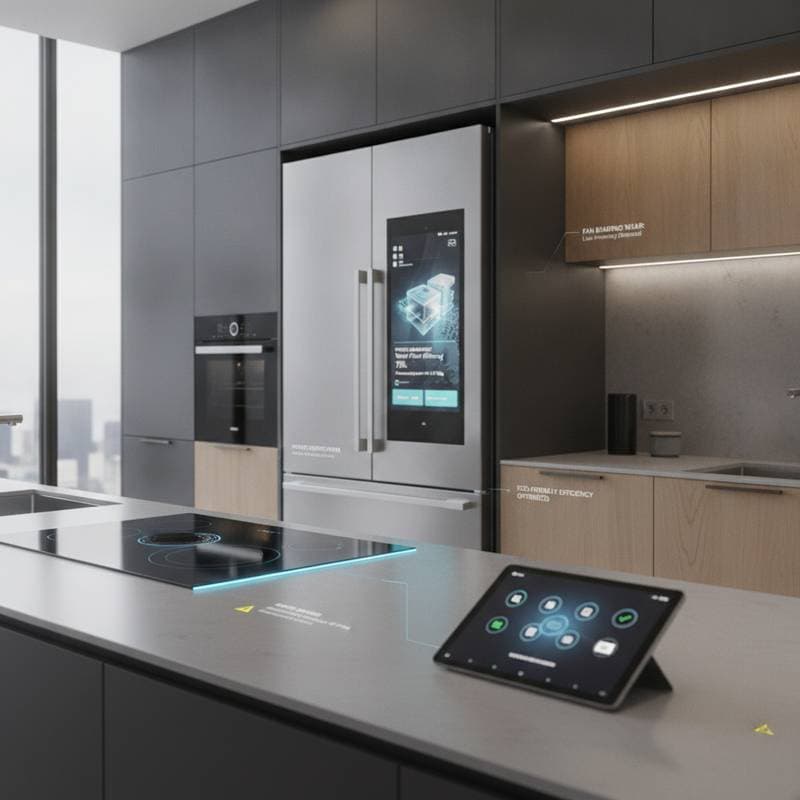
Contemporary room-by-room climate control integrates smart thermostats, wireless sensors, and automated dampers that regulate vent airflow. Certain configurations assign a dedicated mini-controller to each room, linked to a central processor. Alternative approaches leverage compatible devices that interface with prevailing HVAC setups.
Machine learning enhances functionality by analyzing usage patterns, such as frequent living room occupancy or daytime vacancies. The system then executes automatic temperature shifts, reducing the need for manual overrides.
Leading providers like Ecobee, Honeywell, and Flair deliver user-friendly options. Ecobee sensors monitor occupancy and inter-room temperature variances, optimizing zone balance. Flair smart vents upgrade legacy systems, introducing zoning capabilities without comprehensive HVAC replacement.
These tools elevate comfort while providing visibility into energy patterns. Users access analytics to pinpoint waste and refine configurations for peak efficiency.
Adaptive Comfort Tailored to Individual Lifestyles
Personalization defines progress in home automation, extending to climate regulation. Zoned systems render comfort dynamic, responding fluidly to daily rhythms.
Consider entering a pre-warmed bathroom upon rising, as the remainder of the home conserves energy in standby mode. Envision an office that cools progressively during work hours, then reverts to equilibrium post-session.
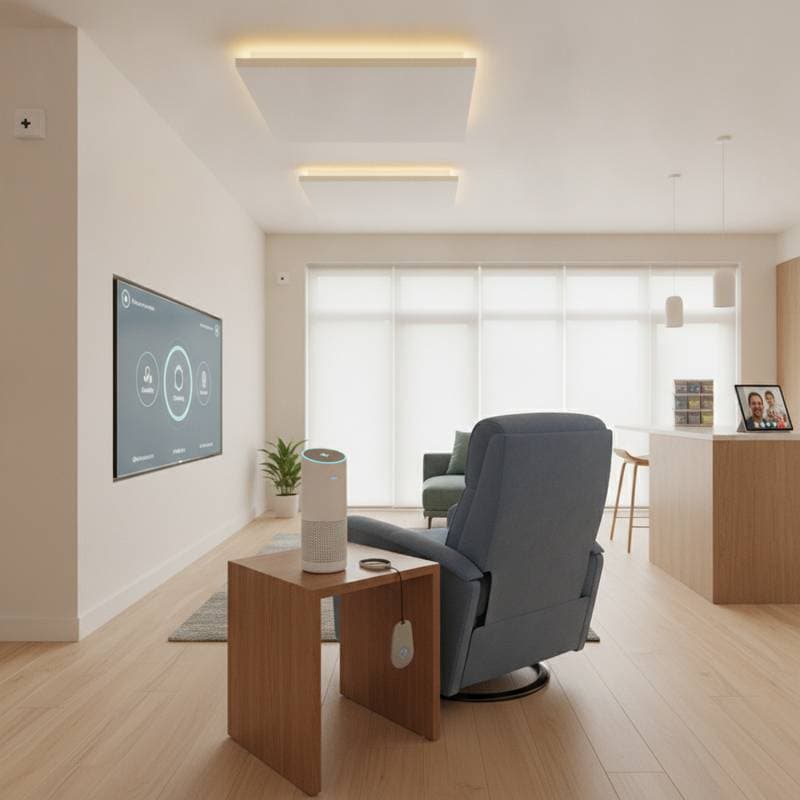
This granularity proves invaluable in shared residences with divergent preferences. One occupant may favor cooler sleep conditions, while another prefers warmth. Zoned controls resolve such discrepancies, granting autonomy over personal areas and averting routine disputes.
Balancing Efficiency and Environmental Responsibility
Zoned HVAC extends beyond user comfort to promote sustainability. Targeted heating or cooling per room substantially curtails waste. Analyses by energy specialists project savings of up to 30 percent on utilities relative to centralized systems.
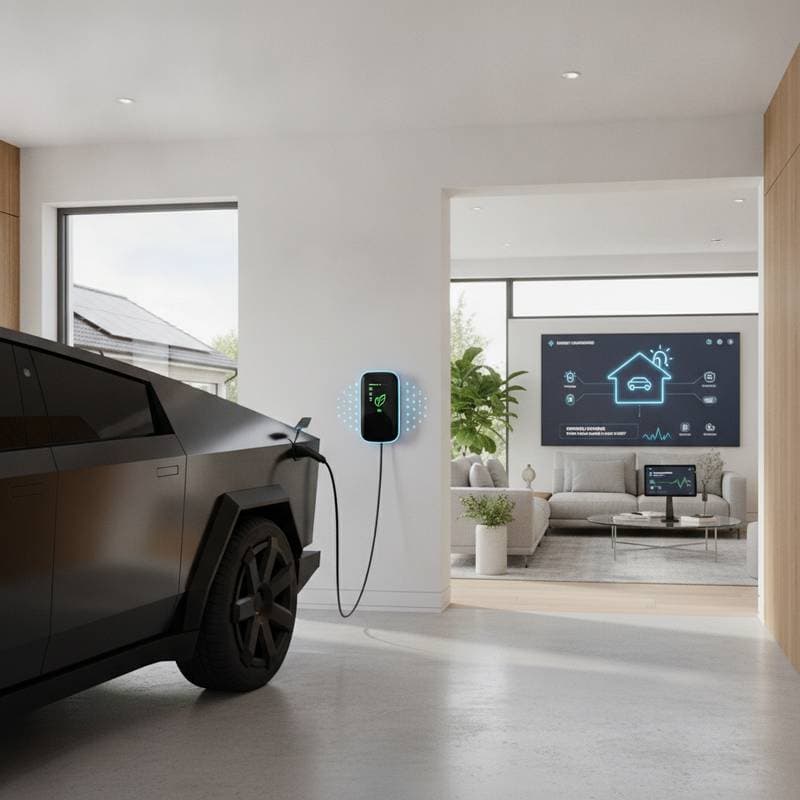
These reductions yield financial and ecological gains. Decreased consumption lowers carbon outputs, particularly in fossil-fuel-dependent homes. Integrating with renewables, such as solar arrays, amplifies overall efficiency.
Zoned setups further aid utility networks by modulating peak demand subtly, preserving comfort while bolstering community grid resilience.
Seamless Connectivity Within Smart Home Frameworks
Advanced zoned systems integrate fluidly with comprehensive smart home infrastructures, encompassing lighting, security, and voice interfaces. This synergy enables scenario-based activations where climate, illumination, and audio synchronize with user intent or ambiance.
A "movie night" directive might soften lights, close shades, and adjust living room cooling for optimal viewing. Occupancy detection triggers these sequences autonomously.
Standards like Matter facilitate cross-brand compatibility, eliminating concerns over device origins. Enhanced communication streamlines oversight of the full home environment.
Addressing Key Challenges to Widespread Adoption
Zoned HVAC encounters hurdles, notably initial expenses for sensors, vents, or duct alterations. Modular designs from manufacturers allow incremental implementation; installing select vents or sensors yields prompt benefits sans total overhaul.
Installation complexity poses another obstacle, as multi-zone setups may necessitate expert assistance beyond basic thermostat swaps. Emerging wireless solutions minimize disruption, bypassing extensive renovations.
Raising awareness remains essential, as many view climate management through a singular device lens. Growing familiarity positions zoning as the inevitable advancement in smart home progression.
Outcomes from Real-World Implementations
Pioneering users highlight tangible enhancements in comfort and economics. Transitioning to zoned systems often results in stabilized indoor conditions, minimizing fluctuations. Previously problematic areas achieve consistent temperatures daily.
In multi-level dwellings, zoning rectifies inherent disparities; attics retain less excess heat, and basements avoid undue chill. Households with variable routines profit as spaces activate on demand.
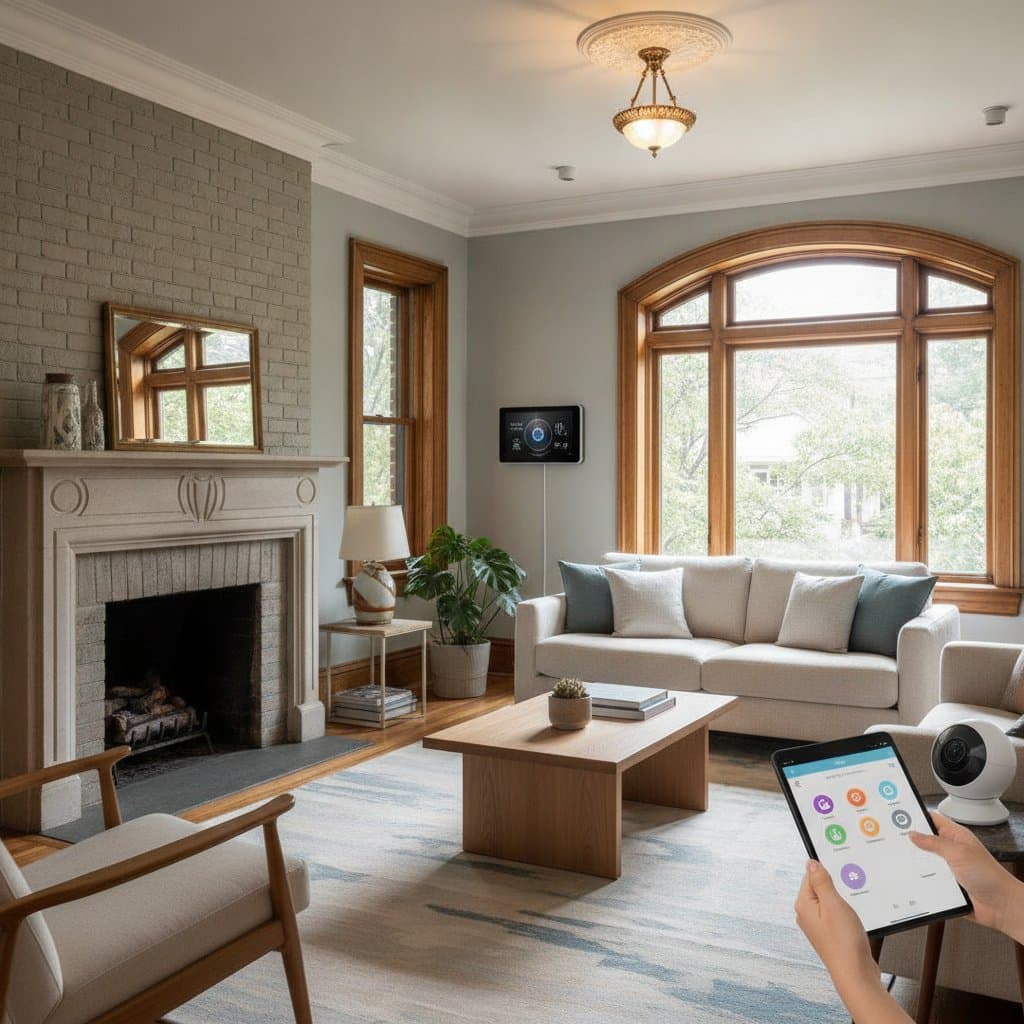
Integration with apps or voice controls simplifies management. Adjustments occur via commands or presets, obviating physical navigation to controls.
Implications for Evolving Home Climate Solutions
Zoned HVAC signals a paradigm shift in residential comfort dynamics. It underscores a trajectory toward intuitive, habit-responsive environmental management. Declining prices and refined integrations position zoning as commonplace in new constructions and upgrades alike.
Developers innovate with anticipatory capabilities, incorporating weather forecasts, behavioral data, and biometric cues for proactive adjustments. The vision materializes as homes that anticipate needs, inverting traditional reactive paradigms.
Enhancing Daily Life with Precision Climate Control
Smart homes transcend mere utility to nurture inhabitant well-being. Zoned systems exemplify this by merging innovation, conservation, and customization into routine existence. The outcome crafts habitats precisely attuned to occupants, transcending basic thermal regulation.