How Smart Fridges Use Real-Time Grocery Prices to Plan Meals
Smart homes continue to integrate automation into everyday spaces, with kitchens emerging as central hubs of innovation. Refrigerators now function as intelligent systems that monitor food supplies, evaluate market prices, and develop customized meal strategies. This integration of artificial intelligence into household appliances streamlines cooking, shopping, and nutrition management.
From Basic Storage to Strategic Planning
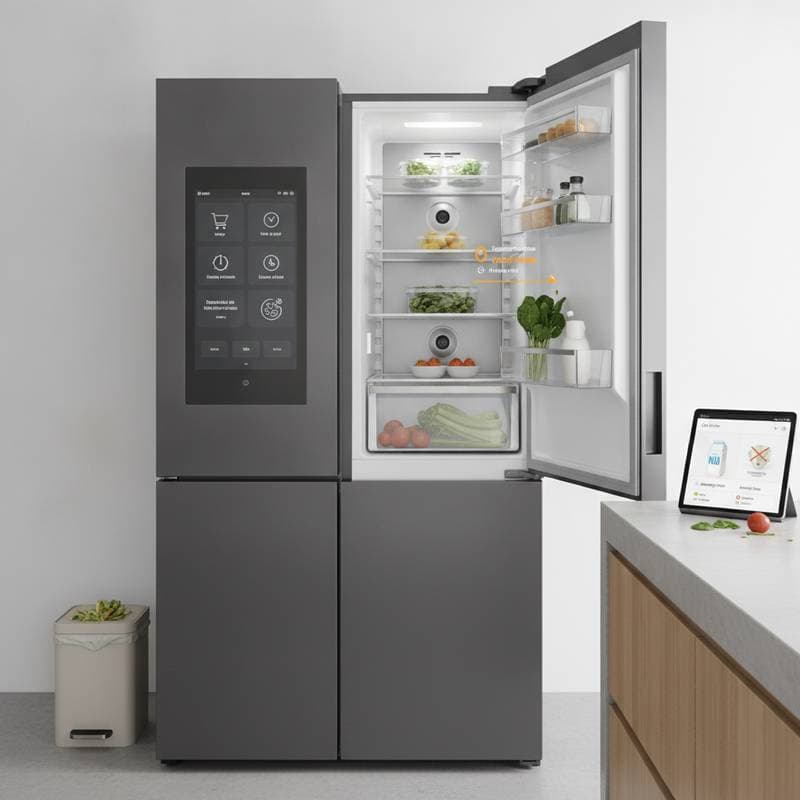
Early refrigerators served primarily as cooling units for food preservation. Subsequent models introduced connectivity features such as touchscreens and cameras for inventory monitoring. Today's advanced refrigerators leverage user data on purchases and preferences to propose meals that align with available items and economical options.
Rising food expenses and busy schedules amplify the value of these capabilities. Users benefit from automated recipe recommendations informed by live price data, eliminating the need to consult multiple apps or advertisements. This approach delivers both financial relief and operational simplicity.
Integrating AI for Informed Meal Guidance
Machine learning algorithms form the foundation of these systems by processing diverse inputs. Devices scan barcodes or import receipt information to maintain accurate stock records. They then consult regional price databases to assess costs and supply levels.
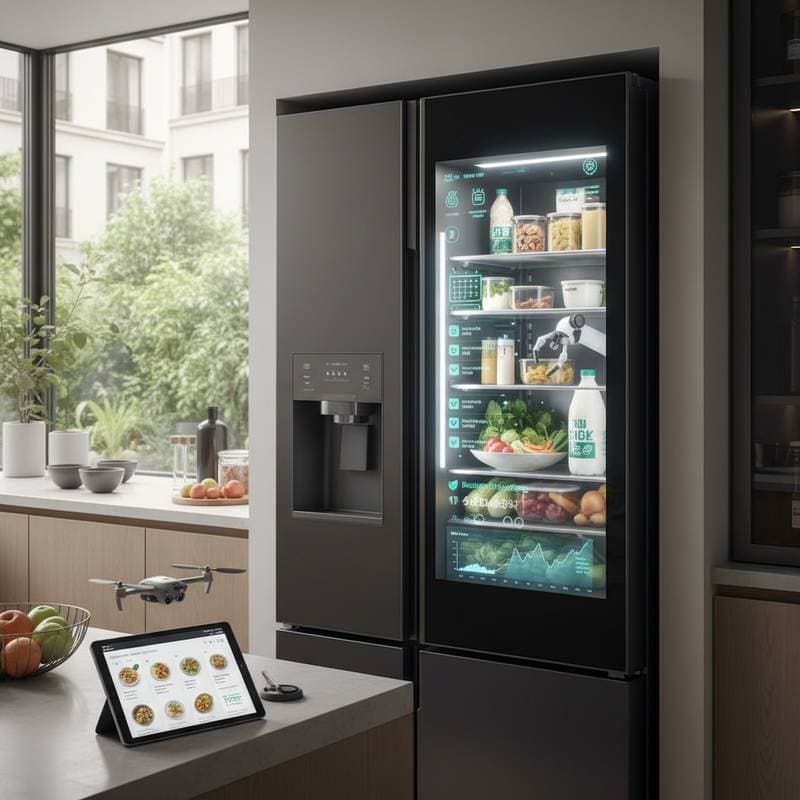
When supplies dwindle, the refrigerator compiles shopping lists or proposes recipes that maximize existing ingredients. For instance, if vegetables approach spoilage, it might recommend a stir-fry and identify the lowest price for additional proteins at local retailers. Certain models link with delivery platforms, enabling seamless order approvals via the built-in interface.
Benefits for Daily Household Operations
Automated planning extends practical support to routine tasks. Studies indicate that individuals dedicate significant weekly hours to meal decisions, often leading to stress. These refrigerators alleviate such burdens by producing adaptable plans that adapt to schedules and inventories.
Financial gains arise from prioritizing cost-effective components in suggestions, preserving nutritional balance. This functionality suits diverse households, from large families managing budgets to individuals focused on wellness. Reduced spoilage further enhances overall efficiency.
Innovations from Leading Manufacturers
Prominent brands drive this technology forward. LG incorporates its ThinQ platform to align recipes with stock levels and fluctuating seasonal costs. Samsung's Family Hub series interfaces with external recipe sources and e-commerce sites for inventory automation.
Whirlpool extends connectivity across kitchen devices, employing analytics to forecast needs and coordinate meal ideas. Independent developers contribute compatible software for older models, enabling upgrades through apps. Such developments position the refrigerator as a core element in integrated home systems.
Core Technologies Enabling Functionality
Multiple components collaborate to deliver these features. Internal cameras document contents, while sensors evaluate freshness and conditions. Cloud computing correlates this data with external price sources for comprehensive analysis.
Voice or touch interfaces support queries, such as identifying budget-friendly dinner options, with responses generated promptly. Data security protocols, including encryption, safeguard personal details like buying patterns. Clear policies on information usage build confidence among users.
Reshaping Attitudes Toward Food and Nutrition
These appliances influence broader habits by merging economics, health, and environmental concerns. A refrigerator might detect patterns in selections and propose substitutions for more nutritious alternatives. It could also highlight sustainable choices based on local availability.
Gradually, kitchens evolve into supportive ecosystems that encourage informed decisions. This framework may integrate with other home controls, synchronizing energy use and supply management for holistic efficiency.
Addressing Challenges to Widespread Use
High initial costs deter some potential adopters, particularly when current appliances remain serviceable. Variations in database compatibility and regional connectivity pose additional hurdles. Initial setup requires time to input preferences and configure access.
Industry responses include software enhancements and collaborations that broaden reach without hardware changes. Improved networks promise more budget-friendly options, expanding accessibility over time.
Enhancing Personal and Shared Experiences
These tools complement human creativity in cooking. Busy professionals discover quick solutions using on-hand items, while budget-conscious users optimize limited resources through adaptive recipes. The result integrates technology into meaningful routines.
Social features enable plan sharing among networks, facilitating collaborative cooking. Systems refine suggestions based on group needs, accommodating allergies or events to simplify group preparations.
Steps to Integrate Smarter Kitchen Tools
Future kitchens will feature interconnected devices like ovens and washers operating in unison. A refrigerator-generated plan might activate preheating or set timers automatically. This coordination elevates cooking from task to effortless process.
Consumers gain from environments that foster informed, efficient living. Focus on appliances that align with specific priorities, such as cost control or health tracking. Select options with robust privacy controls and compatibility with favored services.
Evaluate models by testing interfaces and reviewing integration capabilities. As adoption increases, refrigerators will serve as evolving advisors, adapting to needs and promoting sustainable practices daily.