Make Your Robot Vacuum the Smart Home Command Center
Smart homes continue to shift from novelty items to everyday necessities. One device already present in many homes stands ready to assume a leading role. The robot vacuum, long viewed as a simple floor cleaner, now gathers the sensors and connectivity needed to coordinate an entire smart ecosystem.
From Cleaner to Coordinator
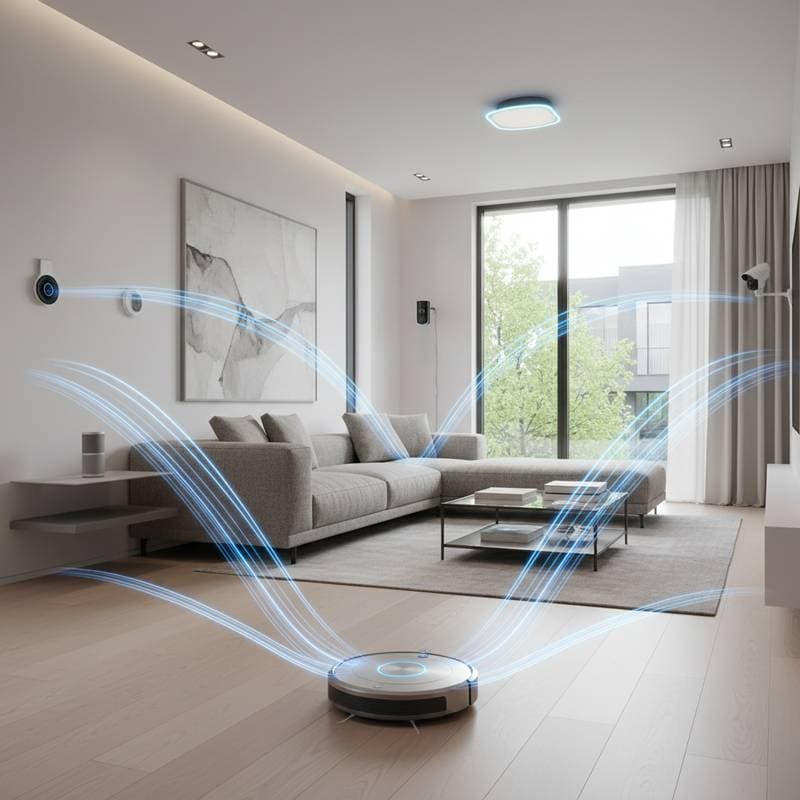
Modern robot vacuums carry lidar, cameras, and processors that map rooms and identify objects. These same tools let the device observe conditions that fixed sensors overlook. As it travels, the vacuum collects data that can trigger actions in lights, locks, and climate controls.
A vacuum might notice an empty living room and instruct the thermostat to reduce heating. It could also detect an open window and prompt the security system to verify the premises. Cloud connections and standard protocols make these responses reliable across brands.
Why the Robot Vacuum Serves as an Effective Hub
Several built in advantages position the robot vacuum for this expanded duty.
- Mobility lets it visit every room and report conditions in real time.
- Multiple sensors supply detailed information about layout, obstacles, and light levels.
- Persistent Wi Fi links keep the device in contact with other smart products.
- Manufacturers can add new functions through software updates without new hardware.
Integration Examples in Current Models
Some vacuums already brighten lights upon entering a room to improve navigation. Others share camera feeds with security systems during cleaning cycles. High end units can patrol on command and send alerts when unexpected movement occurs.
Mapping data from the vacuum can also serve as a live reference for the whole home network. Automation routines then adjust to actual room connections instead of static floor plans, which improves both comfort and energy use.
Voice Control and Onboard Intelligence
Fixed voice assistants work well in one spot yet leave gaps elsewhere. A mobile vacuum that carries microphones and speakers can answer requests from any room. Users can direct it to start a coffee maker during a kitchen pass or confirm that a door is locked while moving through the hallway.
Location aware AI further refines responses. The device can turn off lights after sensing that occupants have left a space. This combination yields smoother daily operation without extra apps or manual checks.
Everyday Advantages
- One app can manage cleaning and linked device actions.
- Room by room data supports targeted heating or cooling adjustments.
- Mobile sensors add coverage for security monitoring.
- Learned routines allow automatic preparation of lighting and appliances.
Remaining Obstacles and Solutions
Camera equipped models raise privacy questions that require strong encryption and clear user controls. Interoperability improves as more devices adopt the Matter standard. Battery and processing limits can be managed by shifting heavy tasks to the cloud.
Putting the Vacuum in Charge
Owners who already connect their vacuum to Wi Fi can begin exploring routines inside the companion app. Linking cleaning times to lighting scenes or thermostat changes provides an immediate test of the hub concept. As these capabilities mature, the robot vacuum offers a moving vantage point that stationary devices cannot match.