Smart Fridges Auto-Ordering Groceries Before Supplies Deplete
Picture opening the refrigerator door to discover that essential items such as milk, yogurt, or fresh produce have already been replenished without any effort on your part. This scenario represents an emerging standard in modern households equipped with connected appliances. Advanced refrigerators now function as intelligent managers of grocery supplies, analyzing usage patterns to forecast shortages and initiate reorders. Such capabilities transform the kitchen into an autonomous zone, alleviating the routine burden of monitoring food stocks.
The Emergence of Intelligent Kitchen Systems
Refrigerators with smart features initially appealed to technology aficionados as premium devices. These appliances now integrate into comprehensive home networks emphasizing efficiency and foresight. Research indicates rising demand for interconnected kitchen tools, particularly among users familiar with voice-activated devices or automated security setups. The kitchen emerges as a primary area for such advancements, given its role in daily nutrition, resource consumption, and health monitoring.
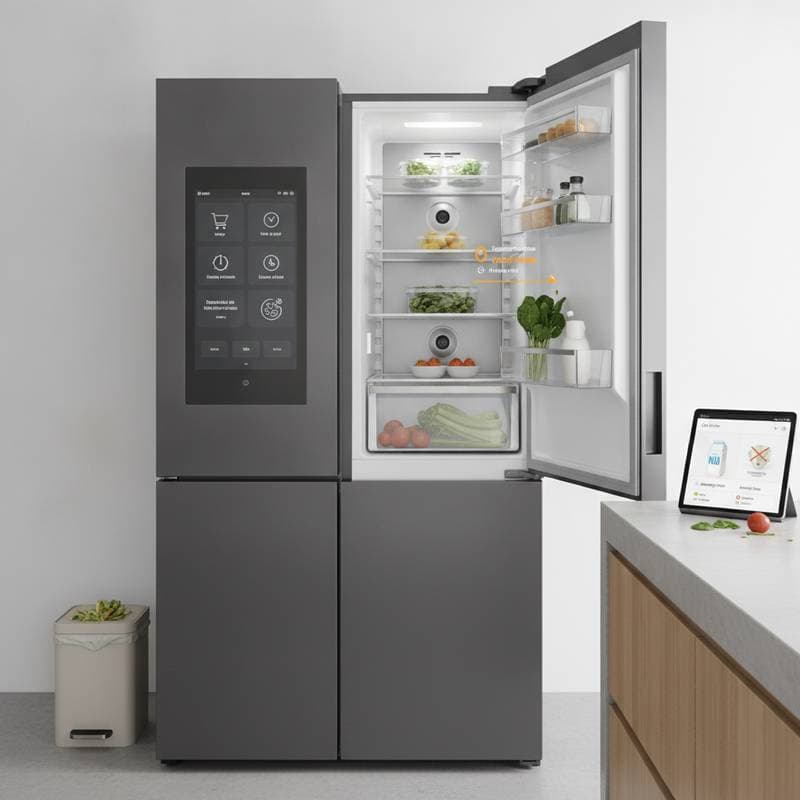
A typical smart refrigerator incorporates multiple sensors to observe internal contents, assess item viability, and link with online shopping platforms. Through visual identification via internal cameras, precise weighing mechanisms, and historical purchase data, the device detects diminishing supplies. Once paired with a preferred retailer, it generates targeted shopping lists or executes purchases directly.
Real-Time Monitoring Enhances Daily Efficiency
Central to these refrigerators is the ability to maintain ongoing awareness of inventory. Built-in imaging systems record entries and removals, while linked mobile applications provide remote access to current stock views. This eliminates uncertainty about available items during shopping outings.
For households, the advantages include reduced unnecessary store visits and minimized spoilage. Data from appliance industry analyses reveal that owners of networked refrigerators experience fewer instances of expired goods and redundant buys. With clear visibility into existing provisions, users plan nutritious meals with precision and acquire only necessary quantities.
Forecasting Replenishment Aligns with Household Routines
Current models advance from basic surveillance to anticipatory procurement. The refrigerator adapts to the unique cadence of family consumption. For instance, if a household consumes two milk containers weekly, the system schedules the subsequent order in advance.
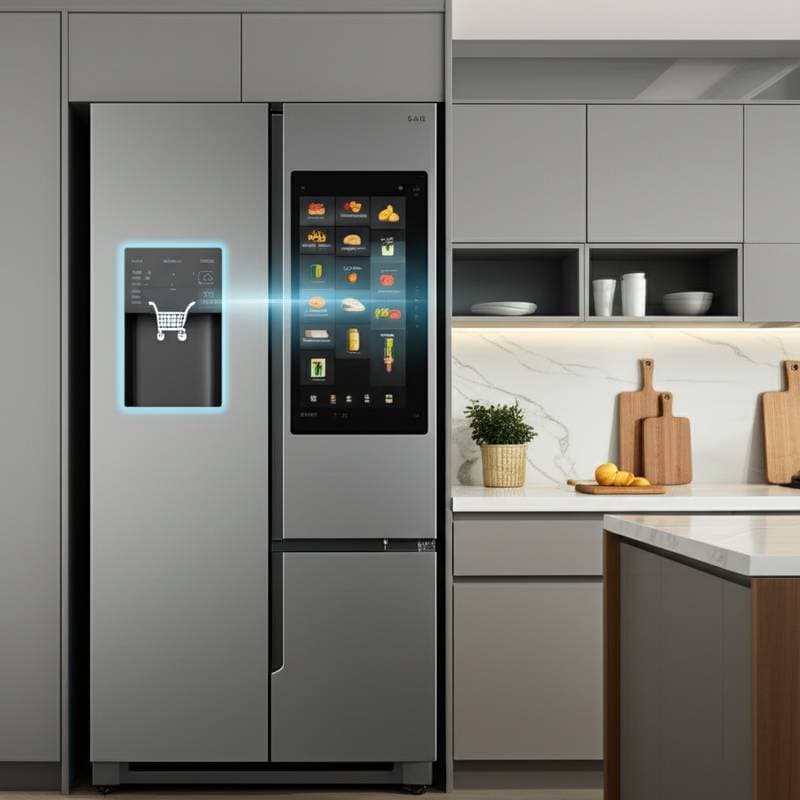
Leading manufacturers such as Samsung and LG illustrate this by linking their units to delivery networks. Upon detecting low levels, the refrigerator either processes an automatic refill via a selected service or issues a prompt for user confirmation. Users customize settings for preferred brands, portion sizes, and arrival schedules, balancing autonomy with ease.
Integrated Networks Ensure Fluid Operation
True potential unfolds through synchronization with broader home setups. The refrigerator collaborates with digital assistants, culinary software, and connected cooking devices for unified functionality. Consider querying a voice system for dinner ideas; it consults the refrigerator's records to propose viable options. Should key components be absent, the system facilitates immediate procurement.
Standardized protocols enable compatibility across brands, simplifying device interactions. This industry emphasis on seamless connectivity reduces the need for multiple interfaces and eases initial configurations. Households benefit from streamlined oversight without technical complications.
Promoting Sustainability via Informed Usage
Adoption stems from both practicality and ecological awareness. Household food discard poses significant waste challenges, which these refrigerators mitigate through vigilant oversight. By alerting to nearing expiration and consumption trends, the devices encourage timely utilization. Advanced units even recommend dishes featuring at-risk ingredients to extend their value.
Operational efficiency further supports green practices. The refrigerators optimize cooling based on occupancy patterns, lowering energy demands. Pairing such intelligence with forward-thinking ordering empowers families to uphold comfort while advancing environmental stewardship.
Addressing Concerns of Reliability and Affordability
Potential adopters often pause due to reservations about delegating procurement decisions. Builders prioritize confidence by incorporating oversight tools. Systems typically require manual verification of each transaction, with options to define budgets or limit automation to trusted categories.
Pricing remains a barrier, as smart models command premiums over conventional ones. However, market dynamics are closing this divide through technological refinements and wider availability. Collaborations with retailers and tiered service plans distribute expenses, often bundling logistics perks.
Practical Implementations in Leading Models
Prominent companies deliver tangible solutions. Samsung's Family Hub lineup features imaging, interactive screens, and partnerships with shopping services for direct integration. LG's ThinQ series employs detection tools to recommend preparations or procure staples via affiliated vendors. Competitors like Whirlpool and Bosch provide linkages to prominent e-commerce platforms for comparable results.
Emerging ventures contribute fresh approaches. Certain innovators refine visual analysis with machine learning for accurate item detection. Others emphasize eco-tracking, enabling users to monitor waste impacts or emissions tied to purchases. This competitive landscape accelerates enhancements in accuracy and accessibility.
Additional Advantages for Routine Management
Beyond procurement, these refrigerators streamline broader activities. They facilitate collaborative list-sharing and digital messaging via built-in displays for family coordination. Nutrition-focused individuals access breakdowns of stored items' health profiles. Supplementary functions, including audio playback or schedule views, position the unit as a multifunctional center.
The appeal lies in subtle augmentation of habits rather than disruption. These devices eliminate minor hassles, fostering reduced mental strain, preserved hours, and structured kitchen dynamics.
Integrating Automation for Sustainable Kitchens
Automatic grocery systems herald a paradigm where residences proactively address requirements. This progression underscores technology's role in enhancing domestic operations.
Prospective buyers should evaluate refrigerators that extend beyond preservation to orchestrate supplies, curb excesses, and maintain abundance. As refinements continue and costs align, kitchens will mirror the responsiveness of personal devices, delivering sustained efficiency and well-rounded support.