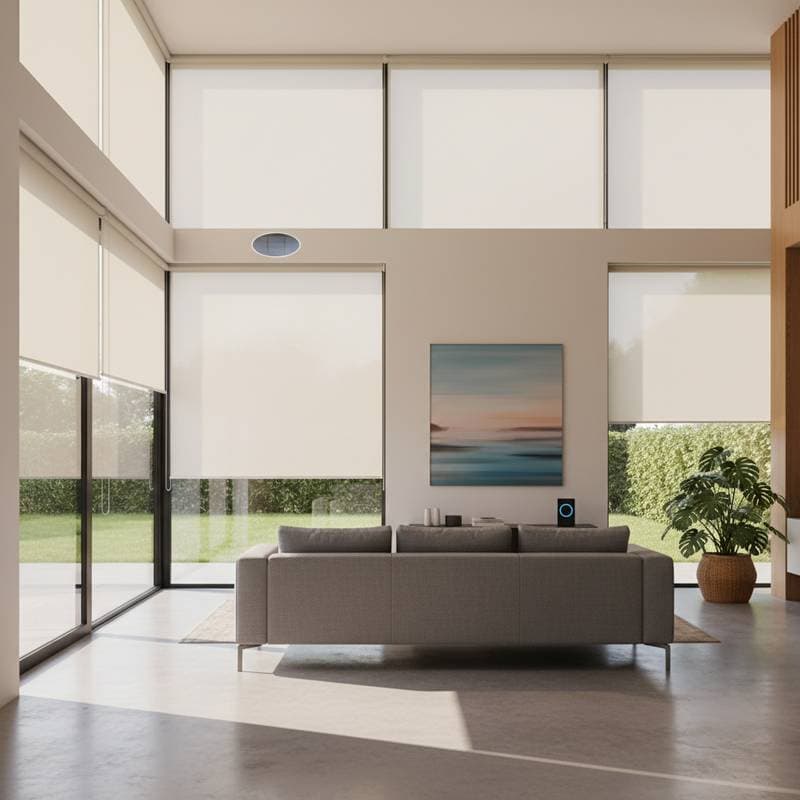
Smart Blinds That Learn Your Home's Sun Patterns
Smart homes evolve from conveniences to essential features, and smart blinds represent a key advancement in window management. These systems automatically adjust to sunlight patterns, controlling glare and heat to improve comfort and efficiency. By integrating sensors and automation, they transform static window treatments into dynamic tools for daily living.
Homeowners benefit from blinds that respond in real time to changing light conditions. For instance, they tilt to diffuse harsh midday sun while preserving views, or lift to capture morning warmth without excess heat buildup. This technology supports sustainable practices by optimizing natural light and reducing reliance on artificial climate control.
Challenges of Conventional Window Coverings
Traditional blinds remain fixed in position, requiring frequent manual adjustments to manage sunlight. Intense afternoon rays often cause screen glare and interior overheating, while closed shades in cooler months block beneficial warmth. Homeowners face ongoing decisions that balance light, temperature, and energy costs.
Precision proves elusive with manual methods, as sun angles shift unpredictably across rooms. This inconsistency results in temperature fluctuations, increased air conditioning demands, and elevated utility expenses. Many settle for partially open blinds, forgoing optimal light and heat regulation.
Evolution of Automated Window Shades
Automated shades have progressed from basic remote operation to sophisticated networks that detect environmental shifts. Motors link to hubs or smart platforms, enabling blinds to raise, lower, or angle based on light, temperature, or presence in the room.
Solar-powered models incorporate photovoltaic panels directly into the blinds for energy capture. This design eliminates wiring needs and conserves electricity, positioning shades as integral components of home climate regulation. Such advancements make window treatments proactive rather than passive.
Mechanisms for Glare and Heat Regulation
Light and temperature sensors form the foundation of smart blind functionality, monitoring indoor and outdoor conditions continuously. Upon detecting excessive sunlight, the system adjusts slats to minimize glare while maintaining illumination. Rising room temperatures prompt closure to shield against direct heat.
In milder weather, blinds open to admit warmth and daylight, stabilizing internal climates. Pairing with smart thermostats enhances this process, as both coordinate to lessen heating, ventilation, and air conditioning loads. Users experience consistent comfort with minimal intervention.
Examination of Prominent Smart Blind Solutions
Hunter Douglas PowerView Automation
This platform synchronizes with primary smart home networks, automating adjustments via schedules or triggers. The companion application enables detailed control of slat angles and light intensity. Voice integration with assistants allows commands like opening specific room shades effortlessly.
IKEA Fyrtur and Kadrilj Shades
These cost-effective options feature straightforward motorized designs and connect via the IKEA Home Smart application. Automation aligns with daily solar cycles or integrates with hubs for expanded control. They serve as an accessible introduction to efficient shading.
Lutron Serena Shades
Renowned for silent operation and customizable fabrics, these shades respond to illumination levels automatically. Compatibility with thermostats such as Nest or Ecobee embeds them in energy conservation networks. The application supports seasonal scheduling for privacy and light optimization.
Significance of Dynamic Light Management
Sunlight impacts mood, focus, and biological rhythms beyond mere illumination. Excessive glare disrupts tasks or leisure, whereas inadequate light diminishes vitality. Smart blinds achieve equilibrium through adaptive control unavailable in fixed coverings.
Environmentally, these systems reduce summer heat influx and winter warmth loss, yielding substantial energy reductions. Research indicates potential cooling savings of 20 percent or more in exposed areas. Long-term use fosters cost reductions and lower environmental impact.
Seamless Incorporation into Smart Home Networks
Automated shades integrate effortlessly with ecosystems like Apple Home, Google Home, and Amazon Alexa, coordinating with lights, climate controls, and security. A morning sequence might gradually raise blinds as the thermostat sets ideal temperatures and lights stay subdued.
Evening routines close shades, dim illumination, and prepare entertainment setups in unison. This orchestration simplifies transitions, enhancing overall home efficiency and user satisfaction.
Advantages of Solar Integration
Solar-equipped blinds employ compact cells to convert sunlight into operational power, charging onboard batteries. This self-sufficiency suits expansive windows where wiring poses challenges or expenses.
Reliability persists during outages, as stored energy sustains functions. The blend of renewables and automation delivers maintenance-free, sustainable performance appealing to eco-conscious and tech-savvy individuals.
Market Insights and Growth Patterns
Analysts observe rising demand for smart shading amid emphases on efficiency and automation. Polls reveal that about 50 percent of smart home adopters intend to incorporate automated shades soon. Interest peaks among those with existing thermostats or lights, where synergy maximizes value.
Product lines span budgets, from basic rollers to premium sensor-enhanced designs. Intensifying competition drives affordability, broadening access to these innovations.
Addressing Common Adoption Hurdles
Initial concerns often center on setup complexity and expense. Past models demanded expert installation and exclusive hardware, but current versions offer wireless, app-based pairing and modular components.
Extended battery durations, often spanning months, and solar options mitigate recharge needs. Standards like Matter facilitate cross-brand interoperability, easing expansion and reducing barriers to entry.
Practical Advantages in Daily Use
Beyond glare control, smart blinds bolster privacy by darkening automatically at dusk. They mimic activity patterns during absences, deterring intruders through timed movements.
Customizable per room, systems cater to varied needs: gentle bedroom openings for waking or afternoon shading in communal spaces. Learning algorithms refine behaviors based on habits, personalizing operations over time.
Enhancements to Well-Being and Efficiency
As remote work rises, light's influence on health gains focus. Smart blinds regulate exposure to support sleep cycles and daytime energy, minimizing screen reflections for reduced strain.
Family settings benefit from distraction-free atmospheres, while professionals gain concentrated environments. These refinements elevate routines, merging technology with intuitive comfort.
Advancements Shaping Intelligent Shading
Future iterations will employ algorithms to predict solar trajectories, preemptively positioning blinds. Weather data integration prepares for variable conditions, refining energy strategies.
Material breakthroughs include selective filters that block heat yet allow views, or adjustable opacity fabrics. These evolutions position window systems as responsive elements in intelligent homes.
Steps to Implement Smart Blinds
Evaluate windows prone to glare or thermal swings as a starting point. Begin with targeted rooms to gauge impacts before full rollout. Select compatible systems to align with current smart infrastructure.
Savings typically recoup investments in sunny regions, with many installations achievable independently. Combining with sensors or thermostats amplifies outcomes, fostering proactive comfort management.
Smart blinds advance toward intuitive homes that anticipate needs, promoting efficiency and enhanced living.