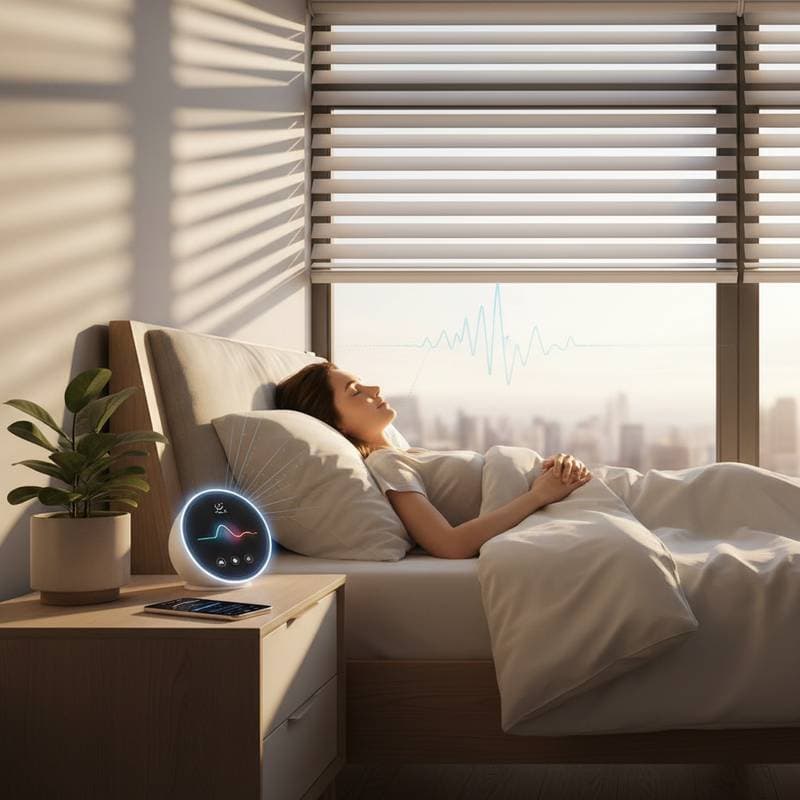
Smart Blinds That Align with Your Circadian Rhythm
Smart homes progress from basic convenience to intuitive support, and smart blinds exemplify this shift by integrating with human sleep cycles. These devices adjust light exposure to match the body's natural rhythms, fostering better rest and daily vitality. The core principle involves blinds that open and close in coordination with sunrise and sunset patterns, even in environments where natural light varies.
Understanding Circadian Rhythm Science
The human body operates on a circadian rhythm, an internal clock regulated by light and darkness. Morning light suppresses melatonin production and elevates alertness, while evening darkness promotes sleep-inducing hormones. Disruptions from inconsistent lighting affect energy levels, mood, and overall health.
Smart blinds leverage this biology by automating light cycles. They simulate gradual dawn illumination to ease waking and dimming for restful evenings. Individuals with shift work or limited sunlight exposure benefit most, as these systems restore natural cues that standard lighting fails to provide.
Key Features of Intelligent Blinds
Advanced smart blinds surpass basic motorized options through adaptive learning and connectivity. Integration with platforms such as Google Home, Amazon Alexa, or Apple HomeKit enables responses to inputs from sleep trackers, wearables, and room sensors. This creates a dynamic schedule tailored to individual patterns.
Adaptability defines their core strength. A delayed bedtime detected by a tracker prompts a later morning opening. Afternoon glare triggers partial closure for optimal comfort. Such responsiveness transforms blinds into proactive wellness tools rather than mere accessories.
Daily Benefits and Practical Applications
Irregular sleep often stems from prolonged exposure to artificial lights and screens. Smart blinds counteract this by managing environmental cues effortlessly. Users experience stabilized rest without manual intervention.
Light regulation enhances daytime productivity and emotional balance. Parents establish soothing bedtime routines for children, while professionals gain invigorating starts. Shift workers or travelers adapt faster to time zone changes with programmable adjustments.
Leading Products and Integration Examples
Innovative brands elevate window automation standards. Lutron Serena Shades connect to voice controls and sleep apps, enabling rhythm-aligned transitions. Ikea's Fyrtur series provides budget-friendly app-based operation within smart ecosystems.
High-end options like Somfy TaHoma and Hunter Douglas PowerView incorporate light and temperature sensors for automatic tweaks. Users awaken to progressively brighter rooms, avoiding abrupt alarms and promoting serene beginnings.
Wellness Automation in Modern Homes
Smart blinds contribute to a broader trend where automation prioritizes health alongside efficiency. Consumer research indicates rising demand for tools that enhance sleep, indoor air, and resource use. Connected devices form cohesive networks.
Interconnectivity amplifies effects. Blinds opening in the morning might signal thermostats to warm spaces and activate gentle audio cues. This synchronized approach centers on biological needs over rigid timetables.
Addressing Implementation Hurdles
Initial costs and setup complexities deter some adopters, particularly in expansive or non-standard homes. Platform incompatibilities add confusion during selection.
Industry responses include universal standards like Matter, which streamline cross-brand functionality. Installation mirrors simple device pairing, reducing technical barriers.
Power solutions advance with long-lasting rechargeables or solar variants, minimizing maintenance and visible wiring for sleeker designs.
Practical Installation and Optimization Steps
Begin implementation in a primary space like the bedroom. Select compatible models to integrate with current smart setups, bypassing additional hardware.
Link blinds to sleep monitoring tools for data-driven personalization. Program evening descents to foster relaxation and morning ascents mimicking natural light progression.
Monitor adjustments over weeks; the body acclimates, potentially eliminating reliance on alarms for gentler routines.
Extended Advantages for Home and Lifestyle
Beyond sleep, smart blinds optimize energy consumption. Afternoon shading blocks heat, easing air conditioning demands. Winter openings capture solar warmth, cutting heating costs.
Privacy and security improve through simulated occupancy patterns. Paired with detection systems, they fortify overall home protection.
Enhancing Daily Harmony Through Light Control
Smart blinds operate unobtrusively, embedding health benefits into routines. Consistent subtle optimizations yield tangible improvements in well-being.
Advancements promise further refinement via biometrics and ambient monitoring. Homes evolve into responsive environments that harmonize technology with physiological demands.
Embracing Balanced Living with Automated Light
These innovations extend beyond upgrades to foster wellness-integrated residences. Aligning illumination with natural cycles restores equilibrium in varied lifestyles.
For improved recovery, energized days, and efficient operations, smart blinds deliver accessible transformation. Future residences anticipate needs, prioritizing human vitality.