Imagine Waking Up to Natural Light That Matches Your Body Clock
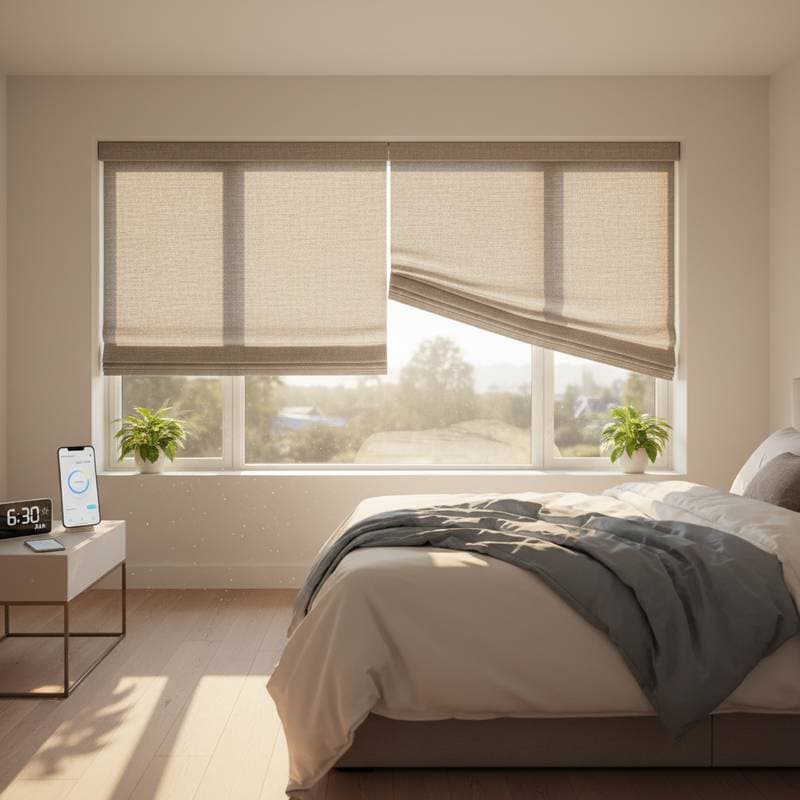
You open your eyes to soft morning light filtering through the window, not the jarring buzz of an alarm. The room feels calm, and your body remains alert but not rushed. A few minutes later, the blinds tilt open fully, inviting daylight to fill the space. By evening, the same blinds close gradually as the sun sets, preparing your body for rest. That seamless rhythm results from smart blinds synced with your circadian rhythm.
The Problem with Traditional Lighting
Most people wake up to artificial light or total darkness, both of which confuse the body’s internal clock. The circadian rhythm relies on light cues to regulate sleep, mood, and energy. When blinds stay shut all morning or remain open late into the night, the body struggles to maintain balance. Over time, that imbalance leads to poor sleep, sluggish mornings, and inconsistent focus.
Smart blinds change that pattern. By syncing with natural light cycles, they help the body follow the rhythm it was designed for. This represents a small change that makes the home feel more restful, energized, and balanced.
How Smart Blinds Support Your Circadian Rhythm
Smart blinds connect to the home network and automatically adjust throughout the day. They use local sunrise and sunset data, light sensors, or even the sleep schedule to control how much light enters the room. The goal involves mimicking the natural progression of daylight.
- Morning Light Boost: Gradually opening blinds in the morning exposes the eyes to bright light, signaling the brain to reduce melatonin and increase alertness.
- Daytime Brightness: During the day, blinds tilt to let in optimal natural light, reducing the need for artificial lighting and improving productivity.
- Evening Wind Down: As daylight fades, blinds close automatically, creating a cozy, dim environment that cues the body to produce melatonin for better sleep.
When paired with smart lighting systems, this natural rhythm becomes even more precise. You can create a layered experience where blinds and lights coordinate to maintain consistent brightness and color temperature throughout the day.
Insider Tip
Many homeowners overlook how window direction affects automation. South-facing windows receive strong sunlight that can interfere with temperature control. By linking blinds with smart thermostats, you can lower heat gain during peak hours without losing natural light. This small adjustment reduces HVAC costs noticeably over time.
Choosing the Right Smart Blinds
Smart blinds come in a wide range of styles, materials, and budgets. The best choice depends on the space, light needs, and integration preferences.
1. Budget-Friendly Option: IKEA Fyrtur (around $169 per window)
These battery-powered roller blinds connect via the IKEA Home Smart app or through Matter-compatible hubs like Amazon Alexa or Apple Home. They prove simple to set up, ideal for renters or first-time smart home users. The automation offers basic but reliable scheduled open and close times.
2. Mid-Range Choice: Lutron Serena Shades (starting around $400 per window)
Lutron’s Serena shades offer smooth performance, quiet operation, and broad compatibility. They integrate with Apple Home, Google Home, and Alexa. With the Lutron app, you can create circadian-aware schedules that follow sunrise and sunset times automatically. The precision motors make these blinds feel truly premium without becoming overly complex.
3. Premium Selection: Hunter Douglas PowerView Gen 3 (starting around $800 per window)
For homeowners seeking a polished, fully customized system, Hunter Douglas delivers. The PowerView app allows for advanced scene scheduling, geofencing, and circadian synchronization. The system also integrates with voice assistants and home automation platforms like Control4. These blinds move almost silently, and the design options range from minimalist rollers to elegant fabric panels.
Compatibility and Control
Before buying, confirm that the blinds match the existing ecosystem. Matter, the emerging smart home standard, simplifies this process by allowing devices from different brands to communicate more freely. If the home uses Apple Home or Alexa, Matter-compatible blinds represent a smart long-term investment.
Setting Up Circadian Automation
You can start basic or go advanced depending on your comfort level.
Step 1: Define Your Routine
Think about how you use each room. In bedrooms, gradual morning light works best. In living areas, schedule the blinds to open mid-morning and close at sunset for privacy. If you work from home, adjust based on the desk’s orientation to reduce glare.
Step 2: Use Sensor Integration
Light sensors add precision. They detect real-time brightness and adjust blinds accordingly. This prevents overexposure on sunny afternoons and ensures consistent lighting even on cloudy days. Some advanced models also read temperature, preventing overheating during peak sunlight.
Step 3: Sync with Smart Lighting
Smart bulbs that change color temperature can complement blinds perfectly. For instance, pairing Philips Hue lights with Lutron or Hunter Douglas systems creates a full circadian experience. Morning light becomes cool and bright, while evening tones shift to warm and dim.
Step 4: Fine-Tune and Test
Run the schedule for a few days. Note how it feels to wake up or wind down. Adjust timing slightly until it feels natural. Remember, circadian lighting proves personal. The goal involves comfort and consistency, not rigid timing.
Practical Considerations Before You Buy
Smart blinds represent an investment. Here are key factors to plan for:
- Cost Range: Expect prices between $150 and $900 per window depending on size, fabric, and motor quality.
- Power Source: Battery-powered blinds prove easiest to install but require recharging every few months. Wired systems offer more reliability for permanent setups.
- Installation: Most homeowners can handle battery-powered blinds as a DIY project. For wired installations, hire a certified electrician to ensure safety and compliance.
- Maintenance: Keep blinds dust-free and check motor battery levels periodically. Some systems send maintenance alerts through their app.
- Privacy and Security: Automated blinds can simulate occupancy when you travel. Randomized open-close patterns make it appear as if someone remains home.
Insider Tip
If you plan to automate multiple rooms, invest in a dedicated hub instead of relying solely on a smartphone app. A hub ensures faster responses, better scheduling reliability, and local control even if the internet connection drops.
Beyond Comfort: The Wellness Advantage
Circadian-aware blinds offer more than convenience. Research increasingly connects light exposure to mental health, energy, and focus. Consistent morning light can improve mood and productivity, while controlled evening light supports deeper sleep. For anyone dealing with seasonal fatigue or irregular schedules, automated blinds make daily life feel more balanced.
Paired with smart climate systems, circadian blinds also support sustainable living. They reduce the need for artificial lighting and manage heat gain naturally, which lowers energy use. This eco-friendly side benefit adds long-term value beyond comfort.
Implement Your Light Rhythm Upgrade
Transforming the home’s lighting rhythm does not require a massive renovation. Start with one room, such as the bedroom or home office. Experiment with light patterns that make you feel energized in the morning and relaxed at night. Once you discover what works, expand gradually to other spaces.
If you feel unsure about wiring or compatibility, look for vetted installers through trusted marketplaces. Many offer free quotes and can match you with professionals who specialize in smart blinds and lighting automation. With expert help, you can avoid setup frustrations and achieve smooth, silent operation that truly feels effortless.