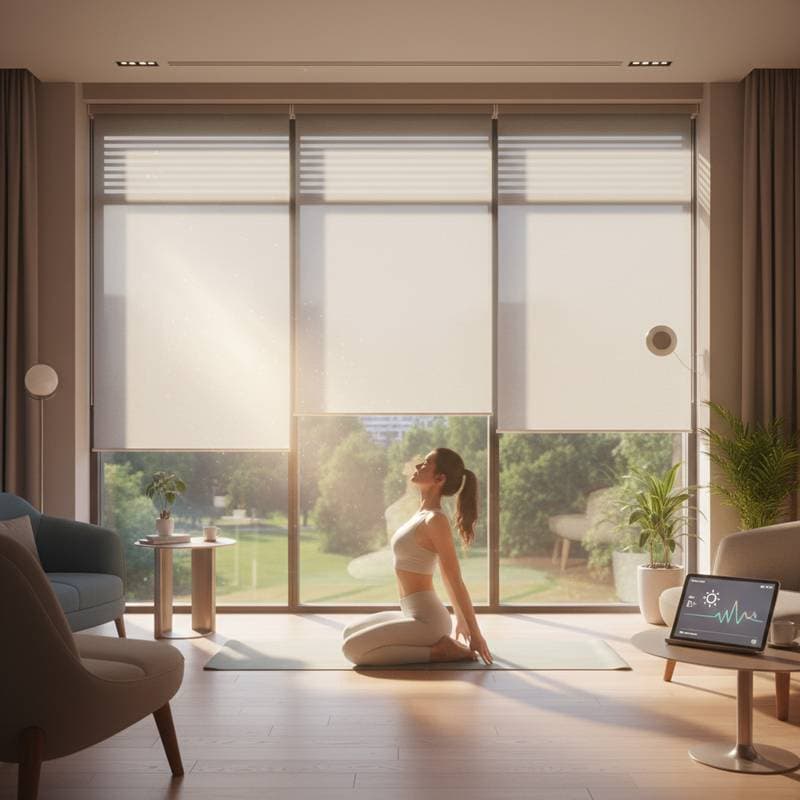
Smart Blinds That Fine-Tune Vitamin D Exposure
Smart homes now prioritize health alongside convenience. A standout innovation involves smart blinds that automatically adjust for ideal vitamin D exposure. These devices exceed basic light control and privacy functions. They analyze user patterns, monitor sunlight intensity, and adapt positions to foster balanced circadian rhythms. This integration of wellness and automation positions sunlight as a key element in daily home operations.
The Enduring Value of Natural Sunlight in Modern Homes
Advanced smart lighting handles color and intensity well, yet it falls short of sunlight's biological advantages. Production of vitamin D, mood stability, and sleep quality rely on genuine daylight. Many individuals remain indoors for extended periods, depending on artificial sources that illuminate spaces without supporting physiological needs.
Health-focused smart blinds alter this dynamic. They gauge incoming sunlight's volume and strength, then modify angles or openness to strike a balance between usability and beneficial exposure. Such systems position windows as dynamic contributors to personal health practices.
Scientific Foundations of Adaptive Blinds
These blinds incorporate light sensors, motion detectors, and climate monitors to track daily sunlight variations. Adaptive algorithms direct them to open or angle toward sunlight during prime periods for vitamin D creation. In cases of excessive UV radiation or rising heat, the blinds partially close to avoid discomfort or excessive brightness.
Certain models link to wearable devices or central smart hubs for customized schedules. For instance, if a tracker indicates deficient vitamin D, the blinds increase morning light intake. This responsive approach ties environmental adjustments to personal health metrics, embedding wellness into the home's core functions.
Balancing Convenience and Health Benefits
Beyond wellness gains, these blinds streamline energy use and thermal regulation. Automatic responses to daylight help sustain steady indoor temperatures, minimizing reliance on HVAC systems. Consequently, households see reduced utility costs and diminished environmental impact.
Consider mornings where blinds gradually ascend to deliver calibrated sunlight, prompting the thermostat to adjust warmth and initiating the coffee maker. This coordinated sequence aligns with expectations for contemporary living. Within an interconnected setup, smart blinds contribute to revitalizing daily routines.
Practical Implementations from Leading Brands
Various manufacturers advance this technology. Built-in UV sensors in some models assess sunlight in real time, while others draw on cloud analytics and location data for exposure forecasts. One example adapts to indoor-heavy schedules by extending light access during sedentary periods. Another syncs with health applications to notify users of achieved daily sunlight targets.
These implementations mark a transition to anticipatory health support. Smart blinds evolve past mere utility and design, serving as instruments for enhanced physical and psychological health.
Supporting Circadian Alignment Through Light Management
Human physiology operates on a light-influenced internal clock. Appropriate timing of light exposure improves sleep, heightens morning alertness, and sustains energy. Blinds optimized for vitamin D naturally aid this cycle.
Early-day bright light modulates melatonin levels critical to rest. By widening openings at dawn and narrowing them by dusk, these systems cultivate harmonious lighting. Homes thus nurture innate vitality without user intervention.
Maintaining Privacy Alongside Light Access
Large windows often raise privacy issues with automated systems. Vitamin D-optimized blinds counter this through targeted tilting. They permit angled sunlight entry for health benefits while obscuring views from outside. Translucent fabrics in select designs scatter light uniformly, bathing rooms in soft, natural illumination without glare.
This dual functionality suits diverse spaces, from sleeping quarters to workspaces. The blinds accommodate varied routines, whether remote work demands focus or family areas seek overall vitality.
Seamless Connectivity in Smart Home Networks
Vitamin D-focused smart blinds function within expansive ecosystems. They interface with illumination controls, climate devices, and voice platforms for holistic operation. An alarm might trigger blind opening, followed by supplemental lighting that harmonizes with daylight, and eventual closure upon departure.
Advancing protocols enhance device compatibility. Blinds thus exchange data fluidly, yielding environments responsive to routines and weather shifts.
Addressing Challenges to Widespread Use
Promising as this technology appears, initial expenses and setup demands pose hurdles. Market expansion and refined standards gradually broaden access. Wireless add-ons enable upgrades to legacy blinds sans extensive modifications.
Raising public knowledge remains key. Associations with smart blinds often center on ease or savings, overlooking health links. Clearer emphasis on well-being will accelerate uptake.
Embracing Homes Tuned to Natural Light
Adaptive smart blinds for vitamin D exposure herald advanced home intelligence. They subtly advance health amid efficiency and ease. Residents gain environments rich in balanced light, freeing time from manual tweaks.
With growing recognition of light's wellness role, these features will permeate connected residences. Future smart homes will prioritize vitality, enhancing life through precise, sunlight-guided adjustments.