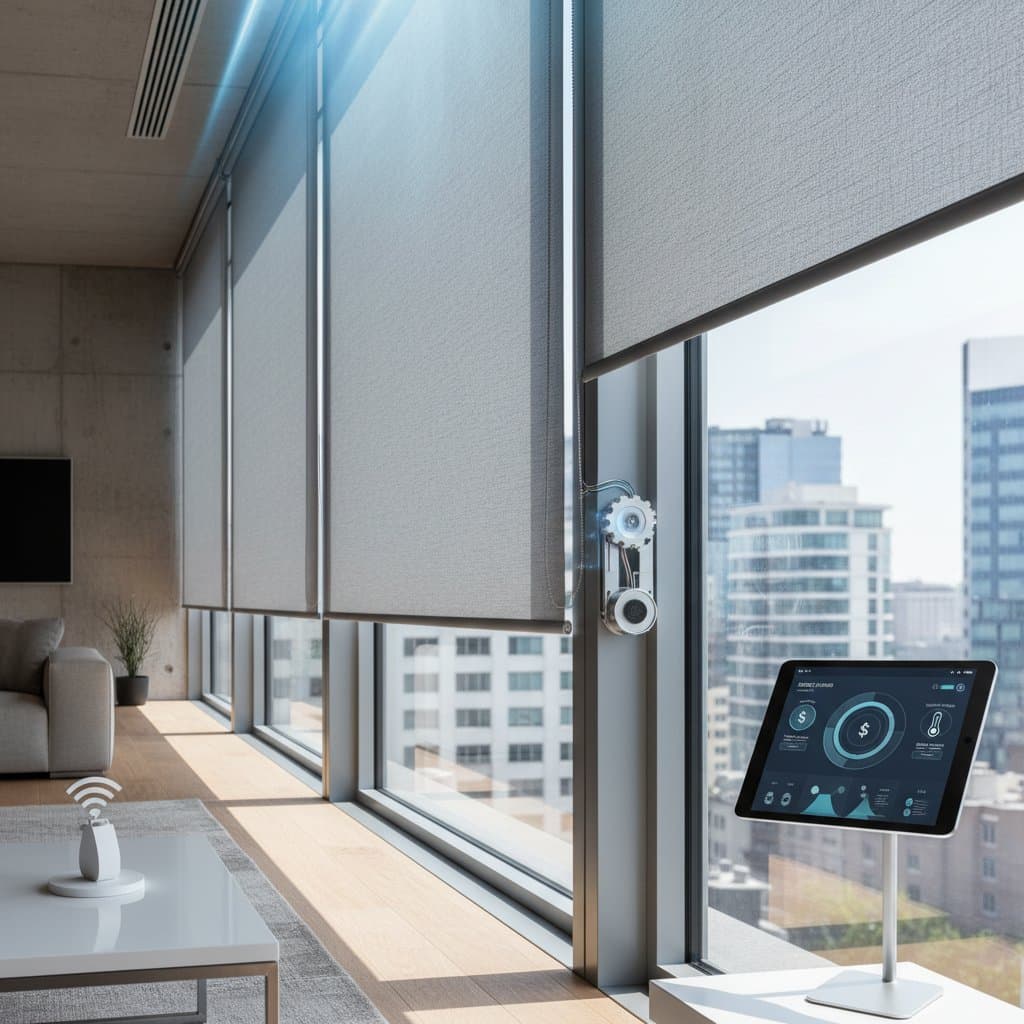
Understanding the Savings Potential of Smart Blinds
Smart blinds represent a sophisticated approach to home energy management. These automated window treatments respond to environmental cues such as sunlight intensity and indoor temperature, optimizing light and heat flow throughout the day. By minimizing the need for excessive heating or cooling, they can lower HVAC bills significantly, with estimates suggesting annual savings of $300 to $400 for average households.
The technology relies on motors and sensors that position the blinds precisely, blocking harsh summer rays or allowing winter sunlight to warm interiors naturally. This passive strategy complements active HVAC systems, reducing their workload without compromising comfort. Homeowners often report not only financial benefits but also a more consistent indoor climate.
Realistic Costs and Payback Periods
The price of smart blind systems varies based on type, features, and installation complexity. Retrofit kits, which attach to existing blinds, typically cost $80 to $150 per window and require minimal setup. Battery-powered shades fall in the $150 to $250 range per window, offering wireless operation for easier placement.
For more permanent solutions, custom hardwired systems range from $400 to $800 per window, including professional installation and advanced controls. Automating five to ten windows in high-impact areas, such as south-facing rooms, might total $1,000 to $2,000 upfront. With HVAC savings of $300 to $400 annually, the investment often pays for itself in three to five years.
Additional perks extend beyond finances. Enhanced privacy, automated convenience, and better light control contribute to daily comfort. Many utility providers offer rebates for energy-efficient upgrades like smart blinds; research local incentives to reduce initial outlays further.
Integrating Smart Blinds into Your Home Ecosystem
Seamless compatibility ensures smart blinds enhance rather than complicate your setup. Select models that align with your preferred platform, such as Alexa, Google Assistant, or Apple HomeKit. For instance, Lutron Serena shades connect effortlessly with Apple HomeKit and pair with Ecobee thermostats for coordinated climate control.
SwitchBot options integrate smoothly with Alexa, enabling voice-activated routines or app-based scheduling. This connectivity allows blinds to respond to voice commands or predefined scenarios, like closing at sunset to retain heat.
Advanced integration involves pairing with sensors for proactive adjustments. Light sensors monitor brightness and raise or lower blinds to maintain optimal illumination. Temperature sensors detect rising heat and close shades before the air conditioner activates, preventing energy spikes.
Optimizing Settings for Seasonal Efficiency
Effective programming maximizes the intelligence of smart blinds. One frequent oversight involves using a static schedule year-round, which overlooks changing weather patterns. Customize automations by season to amplify benefits.
During summer, set blinds to block midday sun from 10 a.m. to 4 p.m., reducing solar heat gain by up to 30 percent. In winter, program them to open fully during peak sunlight hours, capturing passive solar warmth to ease furnace demands. These adjustments can boost overall savings by as much as 20 percent, according to energy efficiency studies.
Test and refine settings quarterly, using app analytics to track performance. This iterative approach ensures the system adapts to your home's unique light patterns and occupancy habits.
Key Factors to Evaluate Before Purchase
Accurate window measurements form the foundation of a successful installation. Determine if inside mounts suit your frames or if outside mounts provide better coverage for irregular shapes. Power source decisions influence long-term maintenance.
Battery-operated models simplify setup with no wiring needed, though they require recharging every six to twelve months depending on usage. Hardwired alternatives eliminate battery concerns but necessitate electrician involvement for safe integration.
Noise can affect usability, particularly in quiet households. High-end systems like Lutron Serena operate with whisper-quiet motors, ideal for bedrooms. Budget options may emit a soft whir, which diminishes over time but warrants consideration for noise-sensitive areas.
Reliability during outages adds practical value. Opt for blinds featuring manual overrides or solar-rechargeable batteries to maintain control over light and privacy. In regions prone to blackouts, these features prevent inconvenience and ensure consistent performance.
Steps to Implement Smart Blinds Effectively
Smart blinds elevate living spaces by merging functionality with aesthetics. They lower energy use while fostering environments that feel more serene and responsive. Picture blinds parting at dawn to greet you with soft natural light, or sealing out afternoon heat to keep rooms refreshingly cool.
Start small by identifying windows with the greatest solar exposure, such as those in living areas or kitchens. Install automations there first to experience tangible benefits before scaling up. This phased approach minimizes disruption and builds confidence in the technology.
Professional assistance streamlines the process for complex setups. Use contractor platforms to connect with specialists in smart shading. They manage precise measurements, electrical wiring, and system calibration, delivering a turnkey solution that integrates flawlessly.
Frequently Asked Questions
What types of windows work best with smart blinds?
South- and west-facing windows receive the most sunlight, making them prime candidates for automation. Prioritize these for maximum energy impact, though any window can benefit from enhanced control.
How do smart blinds compare to traditional shades in energy savings?
Automated adjustments provide superior efficiency over manual operation, as they respond in real time to conditions. Studies indicate up to 25 percent greater HVAC reductions with smart systems.
Can I install smart blinds myself?
Retrofit and battery-powered options suit DIY enthusiasts with basic tools. For hardwired installations, hire professionals to ensure safety and compliance with building codes.
Do smart blinds increase home value?
Yes, as part of energy-efficient upgrades, they appeal to eco-conscious buyers. Integrated smart home features often boost resale appeal by 3 to 5 percent.
What maintenance do smart blinds require?
Clean fabrics periodically with a soft brush or vacuum. Recharge batteries as needed and update firmware via apps for optimal performance and security.