Imagine a Room That Adjusts to Stay Cool
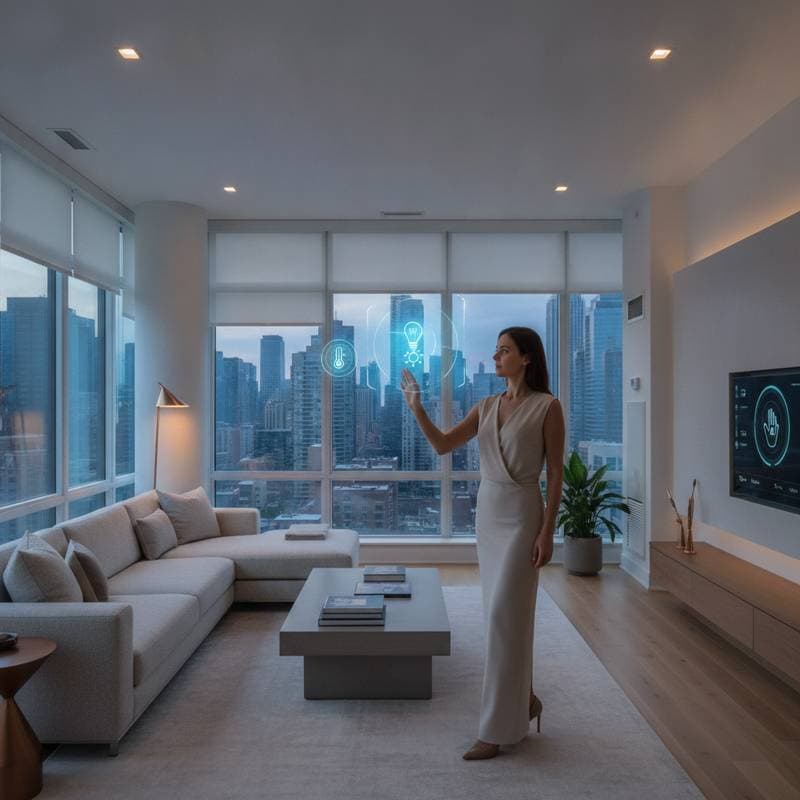
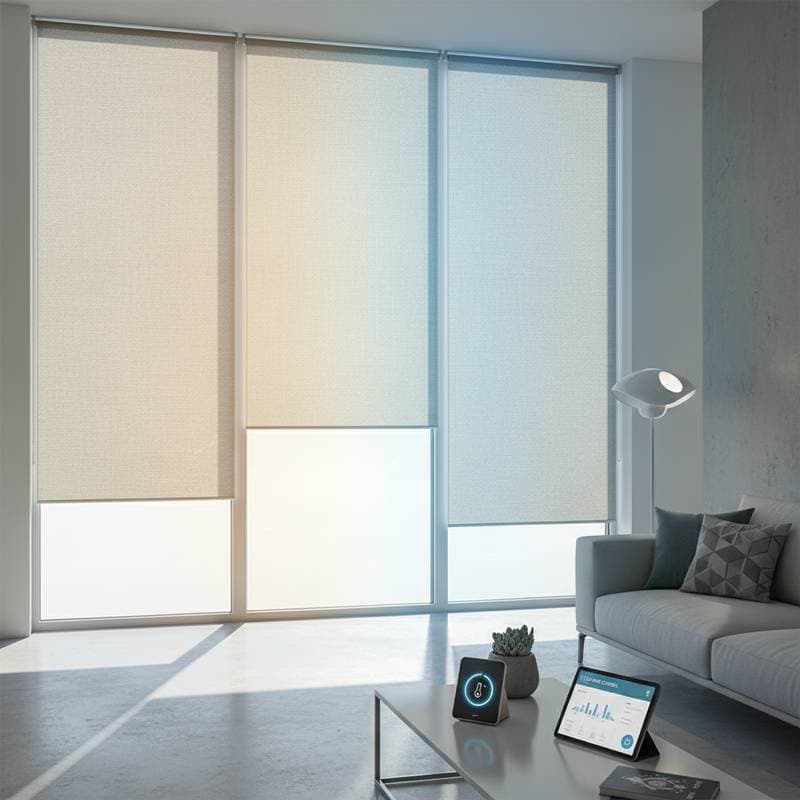
Picture yourself in the living room as sunlight streams through the windows. Before the temperature rises noticeably, the blinds lower to block the heat. This scenario represents the core benefit of smart blinds, which respond automatically to environmental changes and maintain comfort without manual intervention.
Such technology extends beyond mere convenience. It enhances energy efficiency and integrates seamlessly into daily life, creating a more responsive living space.
The Challenge of Unmanaged Heat Gain
Conventional blinds remain fixed in position until adjusted manually. As sunlight shifts throughout the day, its intensity varies, often transforming rooms into overly warm areas. This discomfort not only affects well-being but also increases reliance on air conditioning, elevating energy expenses.
Smart blinds address this issue through automation driven by light, temperature, or predefined schedules. They coordinate with smart thermostats to optimize conditions, ensuring energy use remains efficient while preserving comfort.
Enhancing Home Climate Management with Automation
Integrated into a comprehensive smart climate setup, automated blinds contribute actively to energy oversight. Sensors monitor increases in sunlight or warmth, prompting the blinds to tilt or descend and prevent heat accumulation. When conditions change, the blinds reopen to admit natural light.
This process occurs without user input, eliminating the need for cords or remotes. The home adapts dynamically to external factors, fostering a balanced indoor environment.
Assembling an Effective Shading Solution
Selecting Appropriate Smart Blinds
Begin by choosing blinds that align with your aesthetic preferences and automation requirements. Options include roller styles, cellular shades, and Venetian types. Prioritize models compatible with voice commands and existing smart home platforms.
- Affordable Choice: The SwitchBot Blind Tilt, priced at approximately $70 per window, retrofits existing blinds with a compact motor. It supports Bluetooth connectivity or a hub for app-based and voice-activated operation.
- Moderate Investment: IKEA Fyrtur Smart Roller Blinds, at about $150 per window, feature rechargeable batteries and compatibility with Alexa, Google Home, and Apple HomeKit.
- High-End Option: Lutron Serena Shades, starting around $600 per window based on size and fabric, provide quiet motors, detailed scheduling, and broad integration with leading smart systems.
Incorporating Sensors for Precision
Sensors for light and temperature distinguish advanced smart blinds from basic motorized versions. Many units embed these components, though external options like the Aqara Temperature and Light Sensor or Eve Weather enable outdoor monitoring.
For optimal results, position sensors in shaded areas to capture true ambient data rather than direct exposure. This setup ensures reliable triggers for blind adjustments.
Connecting to a Central Smart Hub
Leverage existing hubs such as Amazon Echo, Google Nest Hub, or Apple HomePod Mini to enable responsive routines. A morning routine, for example, could raise blinds while adjusting the thermostat for ideal conditions. An evening routine might lower them for privacy and reduced light.
For sophisticated control, platforms like Home Assistant or SmartThings allow conditional rules. Blinds might activate when indoor temperatures surpass 75 degrees Fahrenheit or during peak afternoon UV exposure.
Configuring Automations for Energy Efficiency
Smart blinds excel in reducing energy demands by blocking solar heat during peak hours and allowing heat dissipation at night. Research indicates potential savings of up to 20 percent on cooling costs through such shading strategies.
Pair them with thermostats like the ecobee Premium or Google Nest Learning Thermostat for coordinated operation. The thermostat can direct blinds to close in response to heightened cooling needs.
Key Factors to Evaluate Prior to Purchase
Cost and Setup
Anticipate expenses ranging from $70 to $600 per window, influenced by motor specifications, materials, and connectivity. Many begin with installations in high-impact areas like sun-facing rooms before scaling up. Battery-operated models simplify self-installation, whereas wired systems often benefit from professional assistance.
Reliability and Upkeep
Verify inclusion of obstruction sensors to avoid collisions with obstacles or entanglements. Regular cleaning of motors and periodic battery maintenance, every few months, sustain performance.
Interoperability and Scalability
Select brands emphasizing future compatibility, such as those adhering to Matter or Thread standards. These ensure seamless integration with emerging devices.
Consider firmware update capabilities, which allow adaptation to new protocols; consult manufacturers for details on supported enhancements.
Experiencing Adaptive Comfort in Daily Life
With smart blinds synchronized to your home systems, daily routines improve subtly yet significantly. Indoor spaces remain cooler without excessive air conditioning use. Automated openings brighten mornings, while dusk adjustments enhance privacy.
Customization options abound, from partial tilts balancing light and seclusion to geofencing that secures blinds upon departure. This adaptability aligns the environment with personal needs, inverting the dynamic from reactive to proactive.
Implementing Your Smart Shading Upgrade
To achieve a cooler, more efficient home, initiate the process modestly by automating a single sun-exposed window. Observe the impact on comfort and costs before broader implementation.
These devices represent an accessible enhancement to modern living, promoting sustainability and ease. Engage certified professionals through reputable channels to ensure secure and effective installation.
Smart blinds foster a home that anticipates requirements, delivering sustained balance between comfort and efficiency.