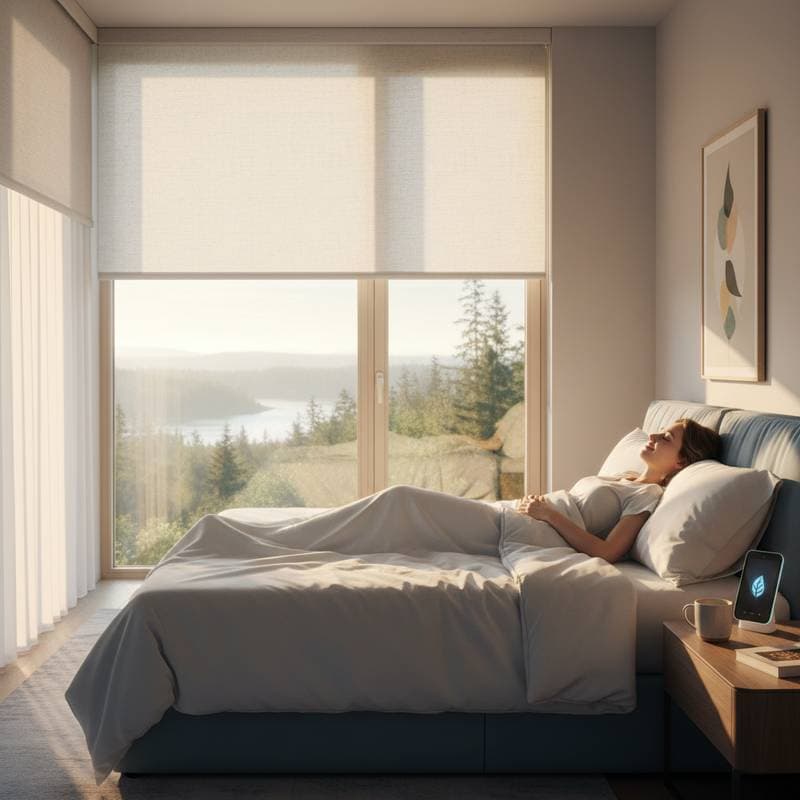
Understanding Seasonal Affective Disorder and Light's Role
Shorter days and diminished sunlight often lead to declining mood and energy. This condition, termed Seasonal Affective Disorder or SAD, stems from insufficient light exposure. Light therapy devices have served as a primary remedy, yet smart blinds provide a seamless alternative within the home environment.
These systems, previously viewed as conveniences, now demonstrate capacity to adjust circadian rhythms and mitigate seasonal mood fluctuations.
Circadian Rhythms Explained
The body maintains a 24-hour cycle called the circadian rhythm. Sunlight activates hormones that govern alertness, hunger, and emotional stability. Dark mornings or prolonged indoor time disrupt this cycle, leading to exhaustion, irregular sleep, and reduced drive.
Smart blinds address this by automating natural light access. They open progressively at dawn to prompt gentle awakening. In the evening, they close to promote relaxation and seclusion, fostering a reliable light pattern that studies associate with enhanced mood and rest.
Automating Light for Mood Support
Conventional blinds demand manual operation. Smart blinds employ sensors to monitor sunlight and weather conditions. They adjust position based on illumination, delivering optimal natural light to the space.
When integrated with smart lighting, they replicate daylight progression, compensating for cloudy skies. This approach aids serotonin production, the neurotransmitter essential for mood control. Stable serotonin reduces the lethargy and low energy typical of SAD, turning the home into a proactive wellness ally.
Practical Examples of Implementation
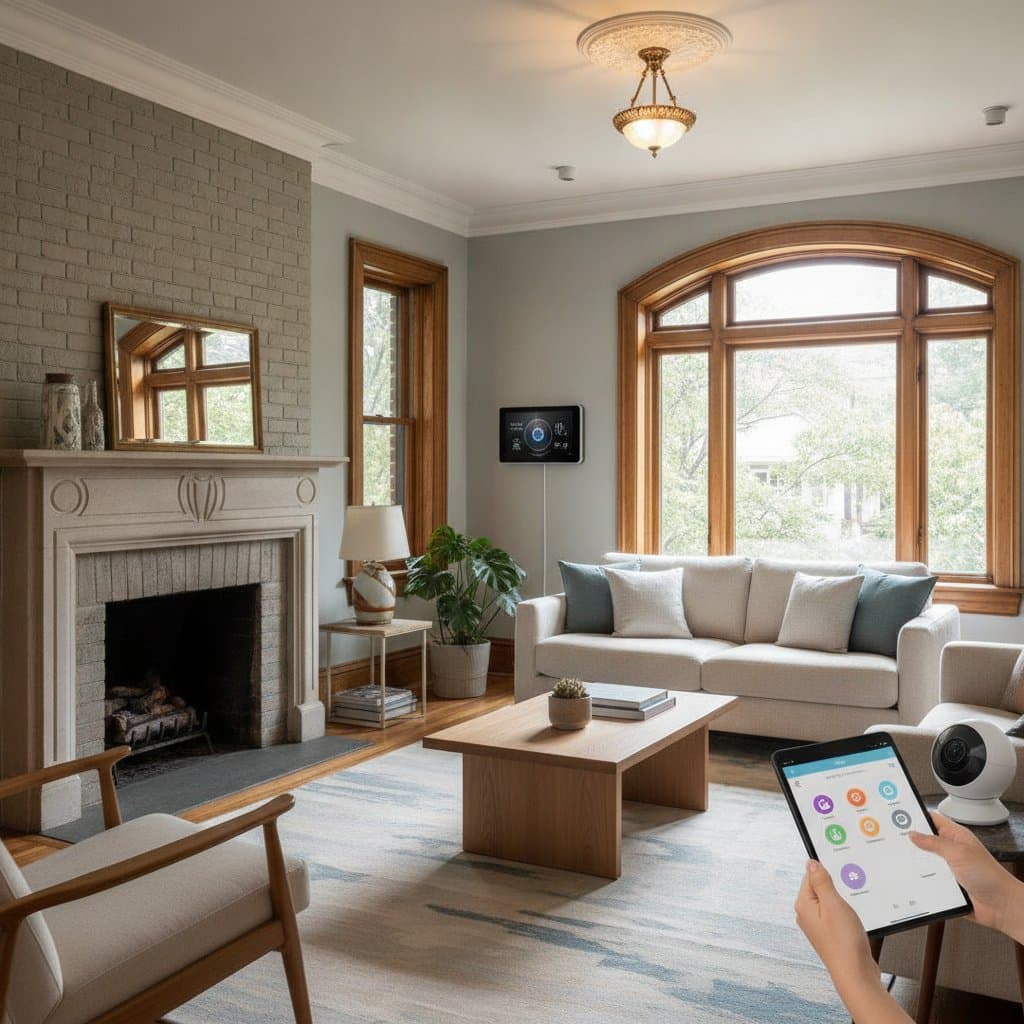
Manufacturers incorporate circadian controls into smart blinds, enabling compatibility with voice assistants and home networks. Users can program routines, such as a winter morning sequence that advances blind opening for extended daylight while softening indoor lights.
In a documented instance, a household equipped with light-responsive blinds observed their living area become more welcoming during winter. Family members experienced heightened vitality and fewer energy dips in the afternoon. Such devices subtly influence daily health patterns.
Integrating Smart Blinds into Wellness Ecosystems
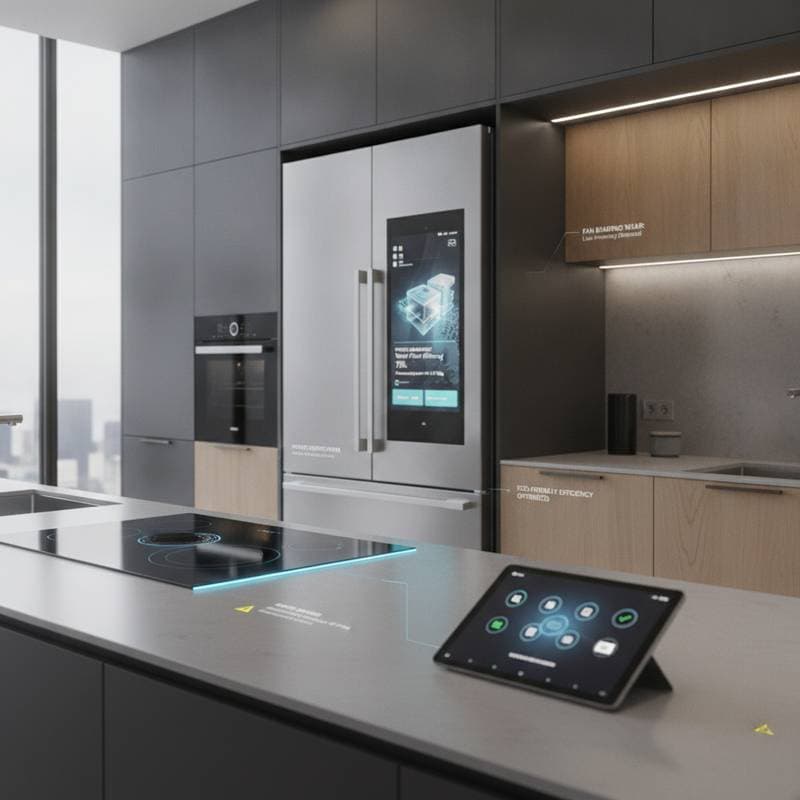
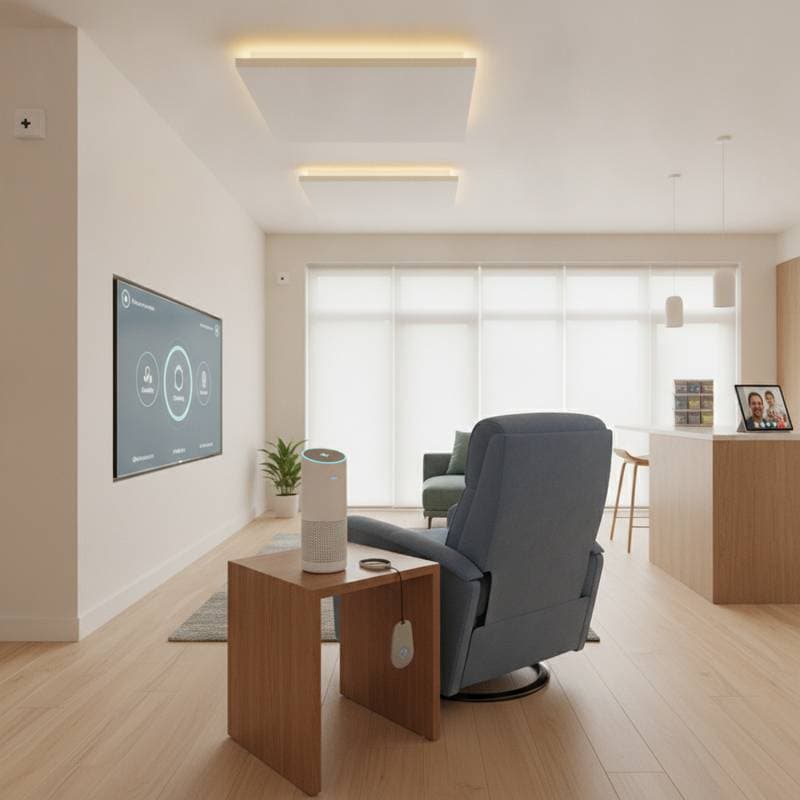
The smart home trend evolves from automation to comprehensive health support. Thermostats maintain ideal temperatures, air monitors identify contaminants, and lighting aligns with biological needs. Smart blinds enhance this framework by synchronizing with natural light cycles.
Interest in mental health products surges, with polls indicating demand for aids to sleep, mood, and concentration. Automated blinds fulfill this by harmonizing routines with daylight, yielding effortless improvements in daily wellness.
Overcoming Adoption Challenges
Initial costs and installation complexities deter some users, alongside interoperability issues in smart systems. The sector responds with user-friendly designs, reduced pricing, and universal protocols.
Battery-operated models avoid electrical modifications, and solar options ensure sustainability. App and voice controls simplify management. Wider use will further lower expenses, broadening access to these health tools.
Shaping Daily Habits Through Light Control
Consider awakening to soft light entering the room, bypassing abrupt alarms. Blinds rise with your movement, invigorating the morning workspace. As dusk falls, they descend slowly, easing into evening calm.
This sequence emulates evolutionary light patterns. For those with seasonal sensitivities, it counters dark starts and swift sunsets, sustaining rhythm alignment. Consistent application yields superior sleep, sharper focus, and emotional steadiness.
Advancing Circadian Technology
Smart blinds form part of circadian lighting evolution. Upcoming versions will use sensors for sleep tracking and AI for preference adaptation. Systems may coordinate blinds and lights according to schedules, vitality, and rest data.
This development integrates technology with innate human responses, prioritizing health in connected homes.
Implementing Smart Blinds for Personal Benefit
Individuals addressing seasonal mood variations benefit from smart blinds as an unobtrusive option. Select models with light detection, programmable timers, and ecosystem compatibility. Test schedules aligned to sleep and productivity cycles.
Combine with lighting and climate controls for amplified effects, crafting a responsive living space.
Homes as Wellness Partners
Smart blinds extend beyond aesthetics to fulfill adaptive needs. By facilitating natural light, they counteract modern disruptions to daily cycles.
Technology's wellness fusion positions residences as mental health collaborators, with smart blinds at the forefront of this change.