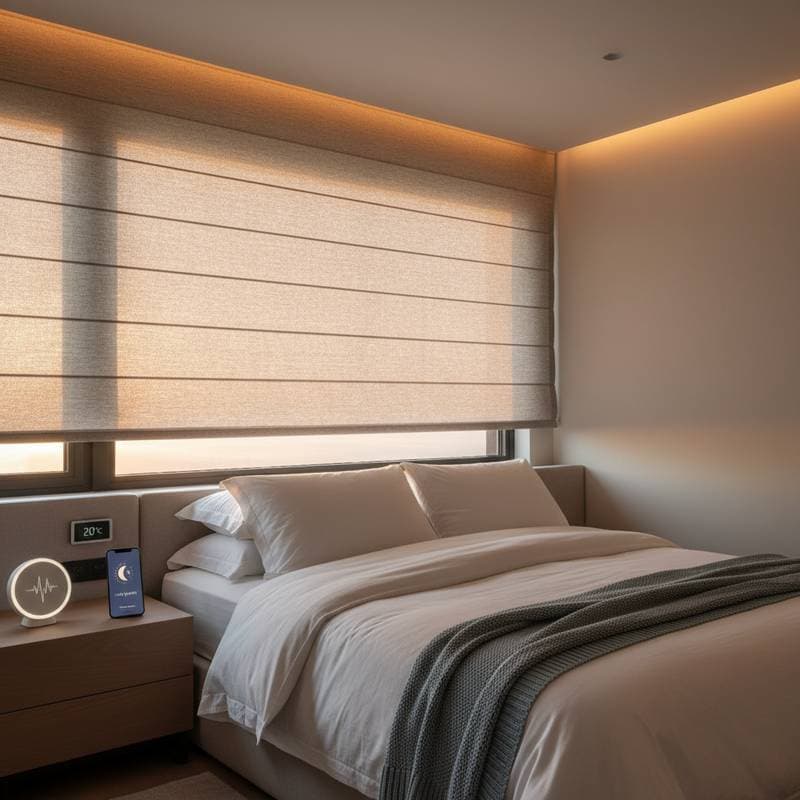
Smart Blinds That Sync with Your Sleep Cycle
Smart blinds represent a innovative approach to enhancing sleep quality by aligning window treatments with your body's natural rhythms. These devices automatically adjust light exposure based on your sleep patterns, promoting deeper rest and more refreshing awakenings. By integrating technology with everyday home elements, they create an environment that supports health without requiring constant manual intervention.
Understanding the Sleep Cycle and Light's Role
The human sleep cycle consists of stages that repeat throughout the night, including light sleep, deep sleep, and REM phases. Each stage contributes to physical restoration, memory consolidation, and emotional balance. Natural light influences this cycle significantly; morning sunlight signals the brain to increase alertness, while dim evenings prepare the body for rest.
Disrupted light exposure, such as from artificial sources or inconsistent window coverage, can throw off circadian rhythms. This misalignment leads to fatigue, mood swings, and long-term health issues like insomnia. Smart blinds address this by modulating light precisely, mimicking natural patterns to stabilize your internal clock.
How Smart Blinds Integrate with Sleep Technology
These blinds connect to sensors and apps that track sleep data from wearables or bed-integrated devices. For instance, they detect when you enter deep sleep and gradually darken to block streetlights or early dawn. Upon waking, they lift slowly to allow gentle sunlight, easing you into the day without abrupt alarms.
Many systems link with smart home ecosystems, adjusting not only light but also temperature and humidity for comprehensive comfort. Algorithms analyze patterns over time, learning your preferences to refine adjustments. This personalization ensures the blinds evolve with your lifestyle, whether you prefer early rises or late nights.
Benefits for Daily Well-Being
Users report improved sleep duration and quality after installing smart blinds. Waking to natural light boosts serotonin levels, enhancing mood and productivity. Over weeks, consistent use helps regulate hormones like melatonin, reducing reliance on supplements or medications.
For families, these blinds foster better routines; children benefit from simulated sunrises that encourage timely bedtimes. Energy savings arise too, as optimized light reduces the need for additional lamps or heaters. Overall, they transform bedrooms into sanctuaries that prioritize restorative sleep.
Exploring Options from Budget to Premium
Entry-level smart blinds start as retrofit kits for existing shades, costing under two hundred dollars. These attach via clips and control through basic apps, offering timed openings and closings synced to sunrise data. Ideal for renters, they require minimal installation and provide core sleep cycle benefits.
Mid-range models incorporate motion sensors and voice activation, integrating with assistants like Alexa or Google Home. Prices range from three hundred to six hundred dollars, with features like UV protection fabrics that filter harmful rays while allowing beneficial light.
Luxury systems, exceeding eight hundred dollars, feature full automation with AI-driven predictions based on weather and personal data. They often include blackout materials for total darkness and app dashboards for detailed sleep analytics. These suit homeowners seeking seamless smart home upgrades.
- Budget Retrofit Kits: Affordable, easy to install, basic app control.
- Mid-Range Voice-Activated: Sensor integration, ecosystem compatibility.
- Premium AI Systems: Advanced analytics, customizable fabrics.
Steps to Select and Install Smart Blinds
Begin by assessing your bedroom's needs: measure windows accurately and note light sources like east-facing exposures. Research compatibility with your existing tech, ensuring the blinds support your phone's operating system or smart hub.
Next, read user reviews focusing on reliability and app usability. Prioritize models with strong warranties, typically one to three years, and energy-efficient motors that operate quietly.
Installation varies by type. For retrofits, attach brackets to current blinds and pair via Bluetooth, a process taking under thirty minutes. Full replacements involve mounting rails to window frames, often with included hardware and video guides. Professional setup, available for complex installs, ensures precision.
- Measure windows and evaluate light patterns.
- Choose a model matching your budget and tech setup.
- Follow app-guided pairing for initial synchronization.
- Test adjustments during a full day-night cycle.
- Monitor sleep data for the first week and tweak settings.
Optimizing Your Setup for Maximum Impact
Pair smart blinds with complementary habits, such as maintaining a consistent bedtime. Use the device's reporting features to identify disruptions, like late-night light leaks, and adjust accordingly. Regular firmware updates keep performance sharp, introducing new features like seasonal adaptations.
Consider room-specific tweaks: in nurseries, program softer gradients for infant sleep cycles. For home offices with adjacent bedrooms, schedule midday dimming to prevent afternoon slumps. These refinements amplify the technology's potential.
Creating a Healthier Sleep Environment
Incorporating smart blinds elevates your bedroom beyond mere functionality into a proactive health ally. They deliver tangible improvements in rest and vitality, proving that small technological shifts yield profound results. Embrace this upgrade to reclaim mornings filled with energy and nights of uninterrupted peace.