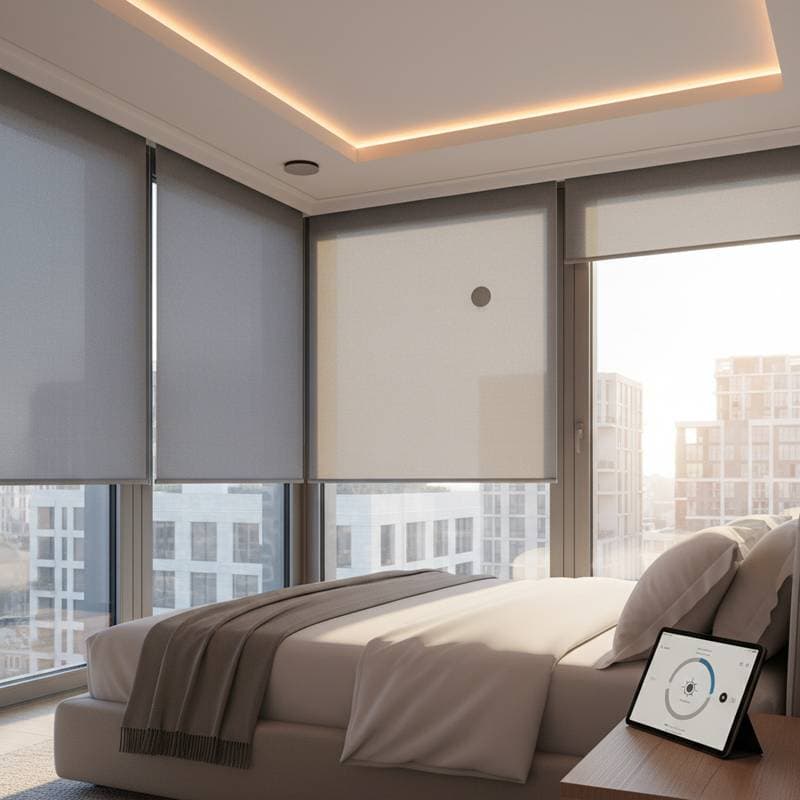
Smart Blinds Automate Light Adjustments for Enhanced Sleep
Homeowners increasingly integrate smart devices into daily life, with nearly half possessing at least one such tool. This trend elevates basic functions to essential supports for well-being. Smart blinds stand out by precisely managing natural light to align with the body's circadian rhythm, fostering deeper rest and revitalized mornings. These systems merge automation with scientific principles to create environments that nurture health effortlessly.
The Role of Light in Regulating Circadian Rhythms
Light directly affects the circadian rhythm, the internal process that governs alertness and sleepiness. Evening exposure to bright artificial light disrupts melatonin release, while insufficient morning sunlight delays wakefulness. Manual blinds often fail to adapt, leading to inconsistent light exposure that exacerbates fatigue.
Experts emphasize that timed natural light exposure stabilizes hormone levels and improves sleep architecture. Smart blinds address this by opening gradually at dawn to deliver gentle illumination, which signals the body to activate. In evenings, they close to minimize glare, preparing the mind for restorative sleep without user intervention.
Core Technologies Powering Smart Blinds
At the heart of smart blinds lie light sensors, motorized mechanisms, and wireless connectivity. Sensors monitor ambient brightness and adjust slats or fabrics accordingly, ensuring optimal light filtration. Motors operate silently to raise or lower treatments in response to real-time data.
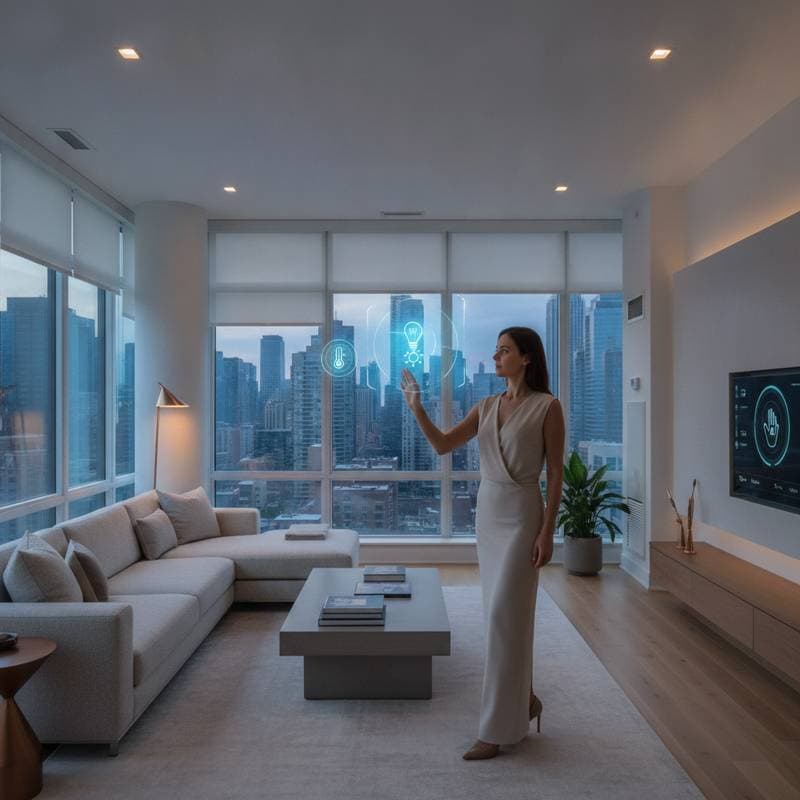
Integration with smart home hubs enables synchronization across devices. For instance, blinds can coordinate with thermostats to maintain comfortable temperatures. Advanced models incorporate geolocation to anticipate daily sunrise and sunset variations, providing year-round precision without manual resets.
Evolving from Convenience to Health Benefits
Early automated blinds prioritized remote control for ease and energy conservation. Current iterations extend this foundation to influence physiological responses. By modulating light intensity and duration, they enhance sleep depth, sustain daytime energy, and elevate emotional balance.
Consider a scenario where blinds simulate dawn by incrementally admitting light, easing the transition from sleep to wakefulness. This eliminates abrupt alarms and reduces morning grogginess. Evening automation dims incoming light, cueing the body to produce melatonin and facilitating quicker sleep onset.
Seamless Fit with Circadian Lighting Systems
Circadian lighting designs replicate daylight cycles using both natural and artificial sources to sustain biological alignment. Smart blinds serve as the cornerstone by harnessing sunlight, the most potent regulator. They ensure that indoor spaces receive balanced exposure regardless of weather or location.
When combined with adjustable smart bulbs, the setup forms a cohesive network. Mornings feature open blinds paired with cool-toned lights to promote focus. Evenings shift to closed shades and warm illumination, encouraging calm. This layered approach sustains rhythm integrity during extended indoor periods.
Boosting Energy Savings Through Intelligent Automation
Smart blinds contribute to sustainability by optimizing thermal control alongside light management. Sensors detect solar heat gain and close treatments during peak sun hours to shield interiors. In cooler conditions, they open to harness passive solar warming, minimizing reliance on HVAC systems.
Users customize schedules to fit unique routines. Night-shift workers program midday closures for simulated darkness, aiding daytime rest. Parents set bedroom-specific timers to enforce consistent sleep cues for children. Such flexibility ensures broad applicability while curbing energy consumption and costs.
Leading Products and Innovative Features
Innovators drive progress in this space with user-centric solutions. Eve MotionBlinds link directly to platforms like Apple HomeKit, responding to motion or light shifts without additional hardware. Somfy's TaHoma hub orchestrates multi-device routines, such as a morning sequence that raises blinds, adjusts temperature, and activates lights.
Affordable options expand access for diverse households. SwitchBot's retrofit kits convert standard curtains into smart systems via simple attachment. SmartWings offers roller shades with app-based controls, ideal for apartments. These examples demonstrate how technology scales from luxury to everyday use.
Aesthetic and User-Centric Design Elements
Modern smart blinds prioritize visual harmony with customizable materials and finishes that complement any decor. Compact motors ensure quiet operation, avoiding disruptions in serene settings. Once installed, they function unobtrusively, enhancing spaces without drawing attention.
Control interfaces emphasize intuitiveness. Mobile apps allow rule-setting for automated behaviors, while voice integration supports hands-free commands like scheduling closures. This streamlined interaction frees users to focus on daily activities, with technology handling environmental adjustments seamlessly.
Overcoming Challenges to Widespread Use
Cost and ecosystem compatibility pose initial hurdles for adoption. Basic units now start at accessible prices, though comprehensive setups demand investment. Proprietary systems may limit cross-brand functionality, but emerging standards like Matter promise universal connectivity.
Market forecasts indicate accelerating growth as barriers diminish. Simplified installation processes, akin to plugging in smart lights, will broaden appeal. Rising demand for health-oriented tech further propels integration, positioning smart blinds as standard fixtures in forward-thinking homes.
Broader Effects of Optimized Sleep Environments
Quality sleep cascades into multiple life domains, sharpening concentration, stabilizing emotions, and bolstering resilience. It regulates hormones critical for metabolism and immunity, yielding long-term vitality. Smart blinds automate this foundational element, yielding measurable daily improvements.
Adopters often note heightened morning vitality and reduced evening restlessness after implementation. The assurance of an adaptive home fosters psychological ease, turning rest spaces into dynamic wellness allies. These shifts underscore the profound role of subtle environmental tweaks.
Steps to Integrate Smart Blinds Effectively
Evaluate your home's light patterns to identify priority windows, such as those in sleep or work areas. Select models compatible with your existing smart ecosystem and suited to room aesthetics. Verify motor durability and sensor accuracy through product specifications.
Begin implementation in high-impact zones like bedrooms, testing basic automations tied to your schedule. Monitor effects on sleep and comfort, refining settings via app feedback. This phased approach maximizes benefits while minimizing disruption, paving the way for full-home harmony.