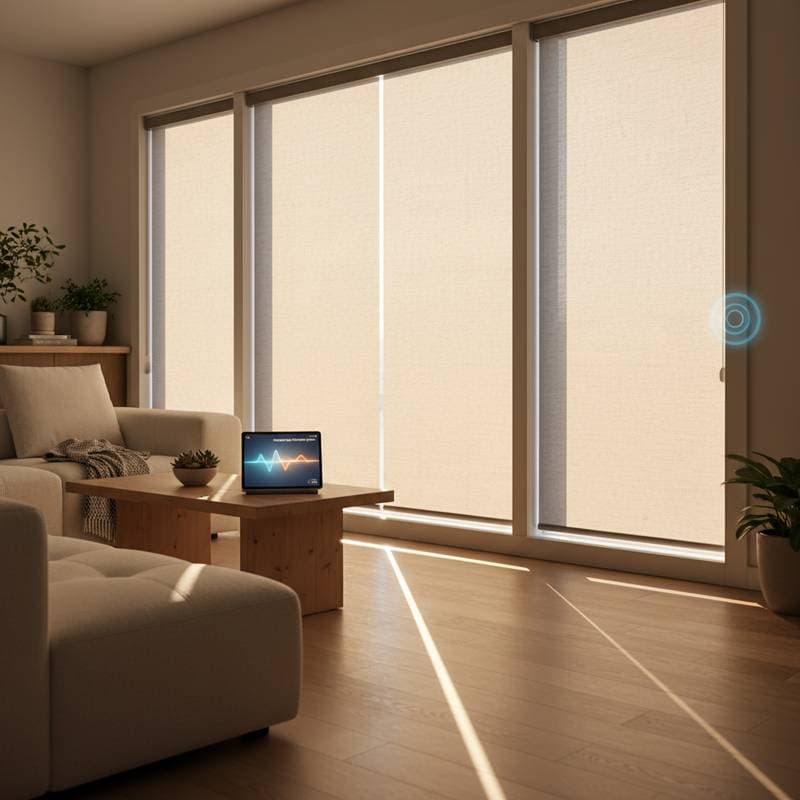
Smart Blinds Align Indoor Light with Circadian Rhythms
Nearly half of homeowners possess at least one smart device, marking a transition from optional features to essential elements in daily life. Smart blinds represent one of the most recent advancements in this domain, precisely adjusting indoor light to align with the body's circadian rhythm. These systems extend beyond mere convenience to serve as practical wellness aids, providing meaningful support for individuals experiencing seasonal affective disorder, or SAD. By harmonizing light exposure with natural cycles, smart blinds promote heightened alertness, emotional equilibrium, and a stronger connection to daylight patterns, even during periods of limited sunlight.
The Link Between Light Exposure and Emotional Well-Being
Light influences physical and mental states profoundly. The circadian rhythm, the body's internal timing mechanism, relies on reliable light signals to manage hormone production, sleep cycles, and emotional responses. Reduced daylight in shorter months disrupts this balance, leading to difficulties in awakening, daytime fatigue, and diminished mood. Conventional light therapy devices address these issues but demand prolonged stationary use and often convey a sterile atmosphere.
Smart blinds provide a seamless alternative. They operate discreetly, modulating light to replicate outdoor variations. Gradual opening in the morning and softening in the evening deliver cues for awakening, concentration, and relaxation. This creates a dynamic indoor setting that supports innate human responses to light.
Mechanisms of Light Adaptation in Smart Blinds
Smart blinds link to home networks and coordinate with illumination setups for automated adjustments driven by time, weather conditions, or personal settings. Integrated sensors detect surrounding light levels and react promptly. On cloudy afternoons or during early sunsets, the blinds widen to admit additional natural light or activate supplementary illumination that emulates daylight's hue.
This functionality embodies circadian lighting principles, which replicate sunlight's daily evolution. Morning light remains vivid and cool to enhance vigilance, while evening light shifts to gentle warmth for repose. When smart blinds interface with circadian-compatible systems, they sustain steady sleep routines and elevate general disposition.
Advantages Extending to Efficiency and Safety
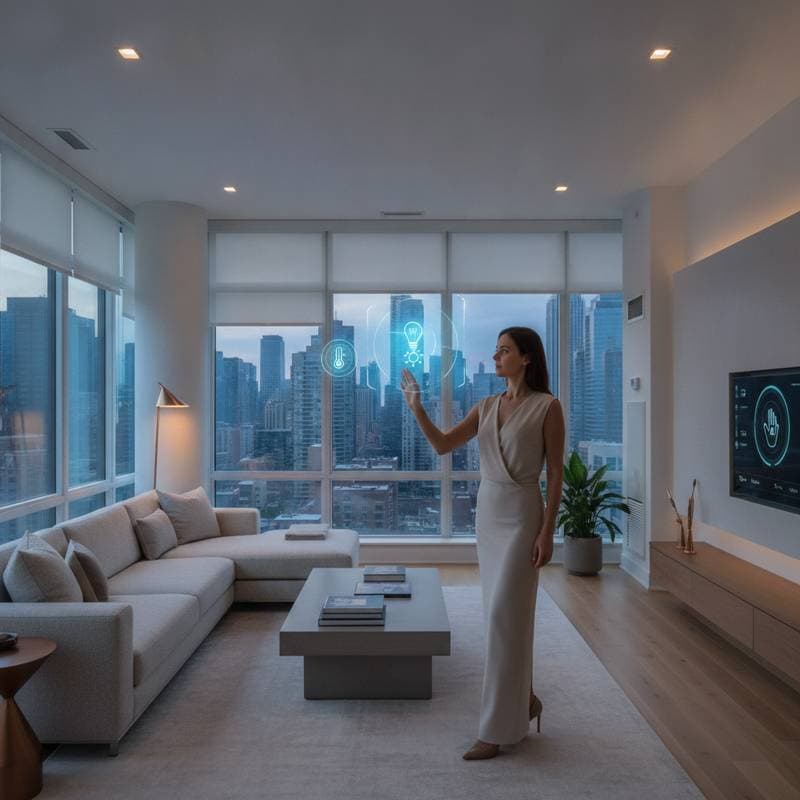
Emotional health represents only one facet of the value. Smart blinds enhance energy conservation by minimizing reliance on climate control. Integrated with intelligent thermostats, they seal during intense solar exposure to preserve cooler interiors or expand to harness solar heat in winter, thereby lowering utility costs while upholding livability.
Enhanced security emerges as another benefit. Automated movements throughout the day mimic habitation during absences, discouraging potential trespassers. Cordless configurations remove entanglement risks for households with young children or animals. This combination of protection, cost reduction, and ease positions smart blinds as a versatile enhancement for diverse residences.
Notable Products Implementing Circadian Features
Leading manufacturers deliver user-friendly solutions in this category. These systems synchronize with prominent voice-activated platforms, enabling routines for morning activation or evening calming aligned with individual timetables. Certain variants collaborate with specialized human-centric lighting providers for cohesive operation between shades and fixtures.
Consider a setup that incrementally raises blinds fifteen minutes prior to a preset alarm, simultaneously tuning connected bulbs to dawn-like tones. Another variant employs external light detection to equalize indoor brightness, maintaining uniformity amid variable weather. Compatibility with the Matter protocol ensures interoperability across brands, simplifying integration into broader smart home frameworks.
Integration of Wellness Technology in Contemporary Interiors
Smart blinds align with the expanding trend of health-oriented smart home innovations. Modern users seek devices that foster improved sensations rather than mere task automation. Research indicates surging demand for tools that advance rest quality, psychological resilience, and vitality equilibrium. Circadian-adjusting blinds offer a concrete advancement in this arena.
Design professionals increasingly incorporate these elements. Emerging constructions and updates feature embedded smart shading tied to illumination strategies. The intent centers on environments that respond to biological needs, obviating the necessity for human adjustment to rigid spaces. This evolution underscores that intelligent habitats prioritize harmony and vitality over mere automation.
Addressing Challenges to Implementation
Adoption faces hurdles, including initial expenses for expansive installations and apprehensions regarding setup intricacy or device interoperability. Wireless innovations mitigate these obstacles. Retrofit accessories from various providers adapt standard blinds affordably, bypassing extensive alterations.
Data privacy concerns also arise with networked apparatus. Developers counter this through enhanced on-site management and robust configuration options that block external data transmission. Such advancements build confidence, facilitating broader acceptance of connected window solutions.
Subtle Light Shifts Yielding Significant Mood Enhancements
Evidence highlights the mood-boosting potential of circadian-aligned lighting. Consistent natural light exposure elevates disposition and vigor, particularly for those with SAD. Incremental modifications, such as soft dawn illumination over abrupt alerts, streamline daily shifts. Smart blinds automate these refinements, converting ordinary intervals into restorative experiences with minimal intervention.
Envision awakening to a progressive radiance as blinds ascend, introducing dawn's initial rays. The space illuminates steadily, prompting natural arousal and vitality accumulation. In the evening, descending shades pair with amber hues to evoke tranquility. This unobtrusive process profoundly influences rest and emotional tone.
Steps to Incorporate Circadian Smart Blinds
Begin implementation in high-impact areas like bedrooms or workspaces, where light most affects focus and sentiment. Select models compatible with existing voice controls or bulb ecosystems for straightforward installation. Opt for units monitoring both illumination and thermal conditions to optimize livability and savings.
Combining smart blinds with adjustable LED arrays amplifies circadian benefits. Programmable sequences transition lighting across the day autonomously, eliminating manual tweaks. Explore vendor demonstrations or trial periods to assess fit within your routine.
Smart blinds redefine residential wellness by fusing innovation with biological alignment. They import sunlight's cadence indoors seamlessly, supporting effortless health integration. As circadian awareness expands, these systems stand as accessible instruments for enriched daily existence.