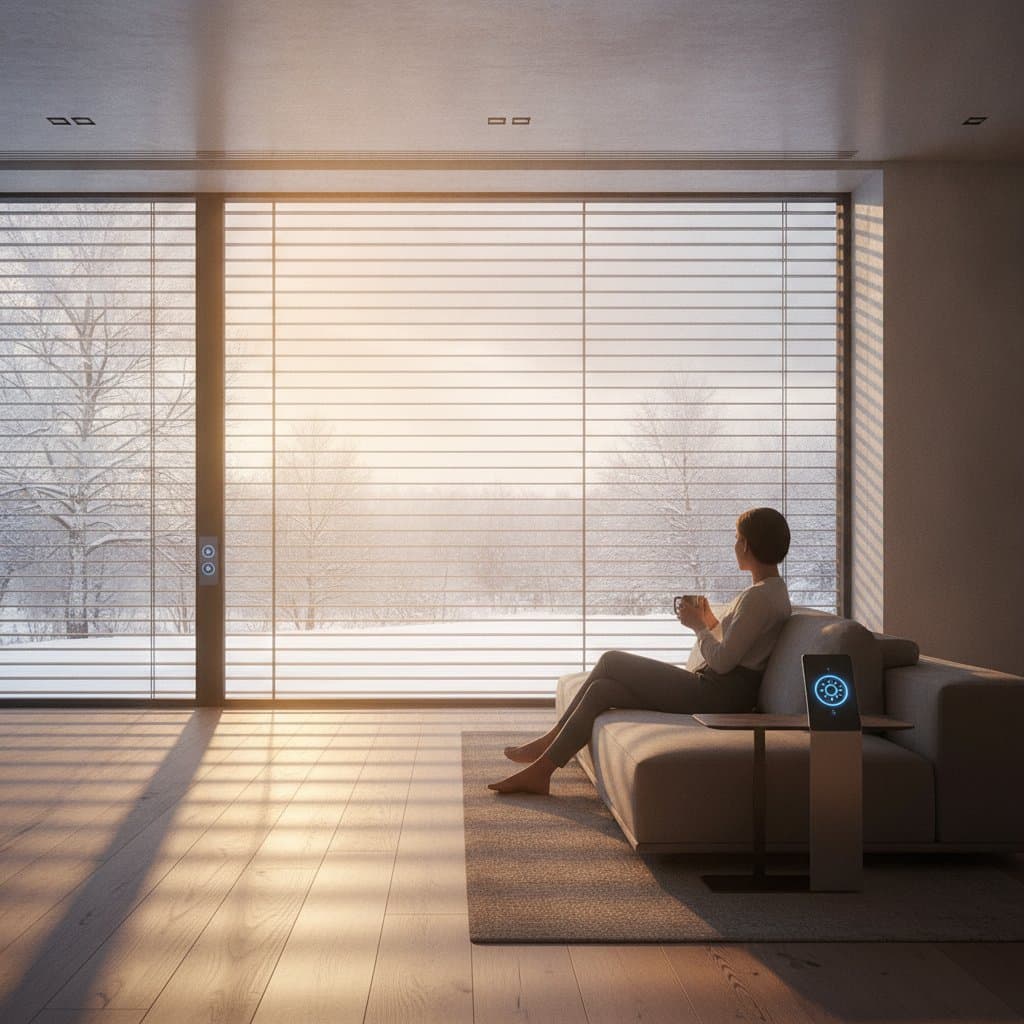
Smart Blinds Adjust Lighting to Ease Seasonal Depression
Nearly half of homeowners now own at least one connected device. Smart blinds stand out as a meaningful addition for many households. These window coverings offer more than convenience or energy savings. They support mood and mental health during darker months.
Seasonal affective disorder draws increasing attention as daylight decreases. The links between lighting, sleep, and emotional well-being receive new focus. Technology responds with solutions that feel natural and effortless.
The Connection Between Light and Mood
Human biology responds directly to light exposure. Morning sunlight regulates circadian rhythms that control sleep, hormones, and energy. Limited winter sunlight disrupts these rhythms for many people. The result often includes fatigue, poor sleep, and seasonal depression.
Traditional light therapy lamps address the issue but require deliberate daily effort. Smart blinds provide a subtler alternative. They integrate adjustments into the living environment without separate sessions.
Automated Adjustments That Support Daily Rhythms
Smart blinds rely on sensors, schedules, and light data to operate throughout the day. They open in the morning to admit natural light and close during intense midday sun. At sunset they tilt to retain warmth while preserving privacy. Integration with circadian lighting systems allows indoor bulbs to shift color temperature in tandem.
These coordinated changes promote consistent sleep wake cycles. Greater natural light exposure during daytime hours encourages serotonin production. Evening settings support melatonin release for better rest. The home environment maintains balance without constant user input.
Current Products and Observed Benefits
Brands such as Eve MotionBlinds and Lutron Serena Shades connect with voice assistants and home hubs. Many models include temperature and light sensors that trigger automatic responses. Homeowners in pilot programs reported greater morning alertness and reduced sluggishness during winter. These outcomes align with rising interest in wellness oriented home technology.
Supplementing Natural Light with Circadian Systems
Natural sunlight alone proves insufficient in some rooms or on cloudy days. Circadian lighting systems paired with smart blinds supply needed brightness and color shifts. Morning settings deliver cool, energizing tones. Evening settings transition to warmer, softer light that encourages relaxation.
The combined system maintains consistency with internal body clocks. Lighting moves from a fixed utility to a responsive health tool.
Light as an Element of Emotional Design
Designers now treat balanced light as a core factor in emotional well being. Smart blinds manage glare and temperature while shaping sensory conditions that aid mental restoration. Morning light can increase gradually to ease the body into activity. Throughout the day the system maintains visual comfort and steady energy. Evening adjustments create calm through synchronized shading and warm illumination.
Practical Steps for Household Adoption
Many smart blind options fit existing window frames and connect via Wi Fi or Bluetooth. Users pair devices through an app and establish basic routines that sensors later refine. Energy savings arise from reduced reliance on artificial lighting and heating. These efficiencies add practical value alongside wellness improvements.
Implementing Smart Shading for Year Round Wellness
Homeowners can begin with motorized blinds in a primary living space that open automatically each morning. Adding circadian lighting and voice control expands the system over time. The approach creates environmental support for emotional balance through design rather than repeated manual effort.