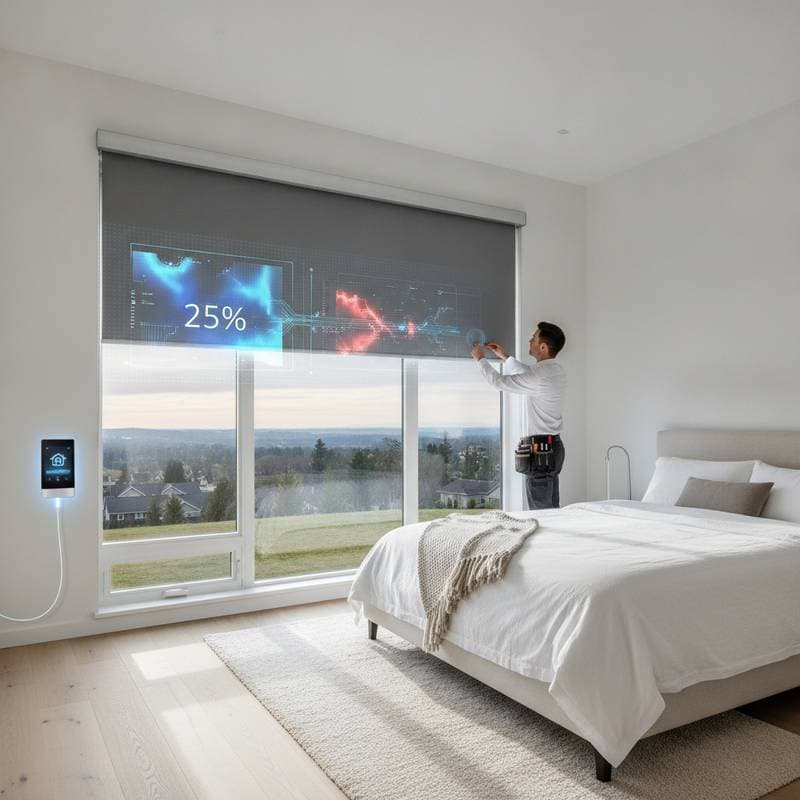
Smart Blinds Surge in Popularity Amid Rising Energy Costs
Imagine waking up to gentle sunlight filtering into your bedroom as shades glide open quietly. Later in the day the same blinds close automatically to block excess heat. This experience has become common for homeowners who install smart blinds to manage energy use and maintain indoor comfort.
The Growing Appeal of Smart Blinds
Rising energy costs prompt many households to seek efficiency improvements. Heating and cooling represent a major share of residential energy consumption. Poorly managed sunlight through windows can increase monthly expenses noticeably. Smart blinds address this issue by adjusting position throughout the day to retain warmth in cooler periods and reduce heat gain during peak sun exposure.
These products belong to the Smart Climate and Comfort category. They function as integrated home components rather than simple window coverings. Automated shades coordinate with thermostats, lighting systems, and weather data to deliver consistent performance.
Energy Efficiency as Primary Motivation
Windows often contribute to temperature loss and unwanted heat gain. Traditional blinds require manual adjustment that homeowners may overlook. Smart blinds eliminate this variable through sensors that detect sunlight and room temperature in real time.
Homeowners report energy reductions between 10 and 25 percent after installation. Savings result from lower HVAC operation and more stable indoor temperatures that reduce equipment strain over time.
Operational Principles
Small motors fit inside roller tubes or headrails and respond to commands from smartphone apps, remotes, or voice assistants. Schedules can open blinds at sunrise or close them during hottest afternoon hours. Integration works with platforms such as Google Home, Alexa, and Apple HomeKit.
Select models that include built-in sunlight sensors. Sensor-driven operation maintains appropriate positioning on overcast days when time-based schedules alone would fall short.
Configuration Choices
Product selection depends on window dimensions, available budget, and desired control methods.
- Retrofit controllers attach to existing blinds. Units similar to the Soma Smart Shades 2 cost approximately 150 dollars per window and suit renters or cost-conscious buyers because installation requires no wiring.
- Mid-range motorized options such as IKEA Fyrtur or Graywind shades range from 200 to 350 dollars per window. These provide app control, battery power, and compatibility with common smart home platforms for single-room applications.
- Premium systems from Lutron Serena or Hunter Douglas PowerView begin near 600 dollars per window. They deliver quiet operation, custom fabric selections, and full integration with whole-home automation.
Battery-powered units typically operate six to twelve months per charge. Addition of a compact solar panel kit removes the need for periodic manual recharging.
Installation Factors
Battery models support straightforward do-it-yourself mounting with basic tools. Wired installations benefit from professional handling to manage electrical connections safely. Compatibility checks with existing hubs such as SmartThings or Apple HomePod prevent communication issues. Protocol alignment between Zigbee, Z-Wave, or Wi-Fi components supports reliable automation.
Larger properties or complex window arrangements justify professional measurement and programming services. Homeowners can obtain multiple installer quotes through established project marketplaces.
Budget Planning
Total expenditure varies with window count and customization level. A typical two-bedroom residence may require 1000 to 2500 dollars for mid-tier solutions. Whole-home projects with full integration can exceed 10000 dollars.
Many owners begin with one or two rooms to verify savings before expanding. Modular designs allow later additions without system replacement. DIY timelines average one hour per window while professional work spans one or two days.
Daily Operation Benefits
Automated schedules support natural wake-up routines and reduce afternoon heat buildup. Nighttime positioning improves insulation for better sleep conditions. Coordination with smart thermostats minimizes HVAC cycling while preserving desired temperatures.
Geofencing can close blinds automatically upon departure. Vacation modes create randomized movement patterns that suggest occupancy to outside observers.
Care and Durability
Fabrics resist fading and motors operate quietly with regular firmware updates. Rechargeable batteries need attention once or twice annually unless solar charging is installed. Surface cleaning involves vacuuming with a brush attachment or wiping with a damp cloth.
First Steps Toward Installation
Identify rooms with highest sun exposure to prioritize initial coverage. Compare system options against budget limits and existing smart home protocols. Whether the project covers a single window or an entire residence, automated shades provide measurable efficiency gains alongside improved daily comfort.