Smart Blinds Sales Surge 300 Percent as Energy Costs Skyrocket
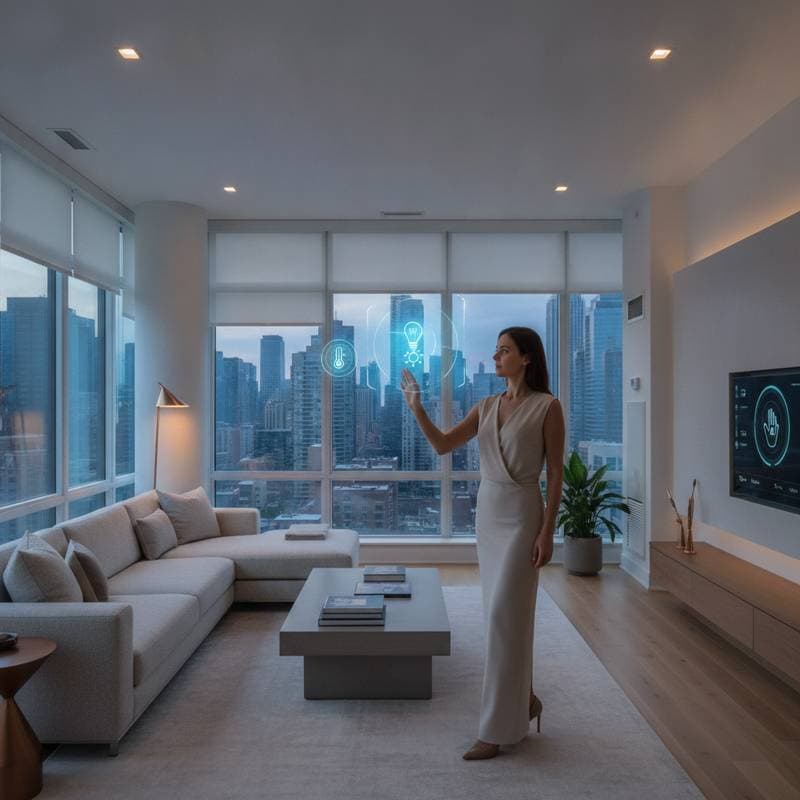
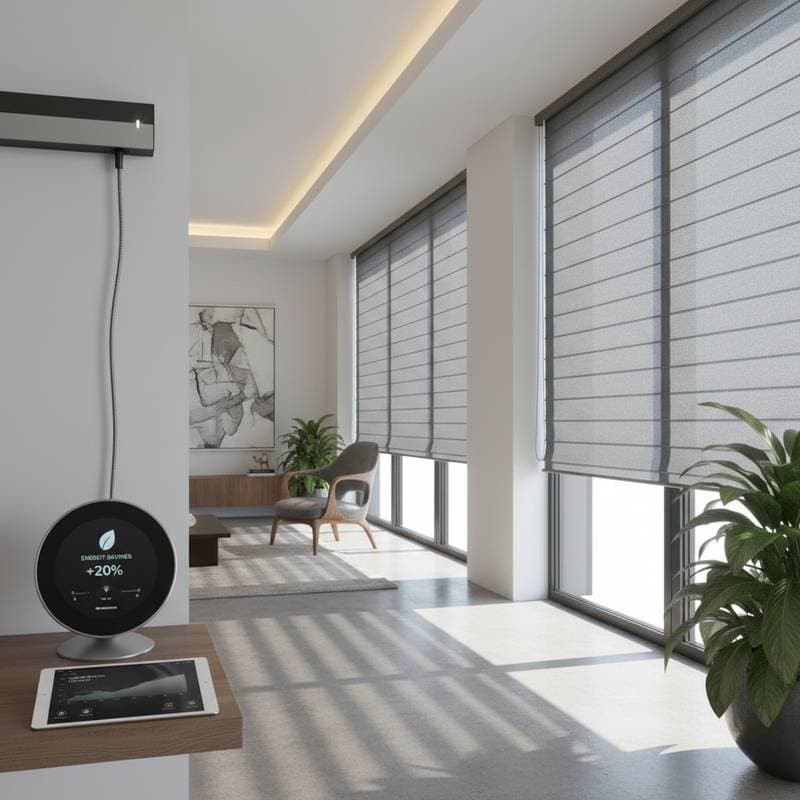
Imagine walking into the living room after a long day. As the sun dips below the horizon, the blinds lower quietly. Light softens, temperature stabilizes, and no switch requires attention. This efficient world of smart blinds explains the surge in sales amid rising energy prices.
Homeowners value comfort and cost control. Utility bills reach record highs, prompting searches for ways to reduce energy use without compromising style. Smart blinds, once a luxury, now serve as a strategic investment for energy-conscious households.
Reasons for the Rise in Smart Blinds Adoption
Automated window treatments gain popularity due to energy savings, convenience, and enhanced comfort. Friends or neighbors may discuss these devices, sparking curiosity about their widespread appeal.
Smart blinds adjust automatically based on light levels, temperature, or scheduled times. In summer, they close partially during peak sun to maintain cooler rooms and lessen air conditioning demands. During winter, they open in daylight to capture warmth and close at night to retain heat. This control reduces energy consumption by 10 to 20 percent, varying with insulation and window orientation.
The system operates seamlessly in the background. Setup requires initial configuration, after which the blinds adapt to daily routines without manual intervention.
Core Technology in Smart Blinds
These devices belong to the smart energy and sustainability category, integrating automation, sensors, and home ecosystem compatibility. Most feature compact, quiet motors in the top rail, powered by rechargeable batteries or solar panels.
Connection occurs via home Wi-Fi or a central hub, enabling voice or app control. Systems like Google Home, Amazon Alexa, and Apple HomeKit provide broad support. Pairing with smart thermostats, such as the Ecobee Smart Thermostat Premium or Nest Learning Thermostat, coordinates temperature and shading for optimal efficiency.
Many users overlook integration with IFTTT routines. Custom triggers, like closing living room blinds when indoor temperature reaches 78 degrees Fahrenheit, add intelligence without additional equipment.
Price Ranges and Product Options
Smart blinds accommodate various budgets and aesthetics. Consider these categories for cost and features.
-
Budget Option: SwitchBot Blind Tilt ($69 per set)
This device suits renters or initial trials. It attaches to existing horizontal blinds, automating tilt via Bluetooth or Wi-Fi with an optional hub. No rewiring proves necessary. -
Mid-Range: IKEA Fyrtur Smart Shades ($169 per window)
Rechargeable roller shades offer value for homeowners. Integration with the IKEA DIRIGERA hub extends to Alexa, Google Assistant, or Apple HomeKit. Quiet operation and blackout fabric suit bedrooms or media rooms. -
Premium: Lutron Serena Smart Shades (starting at $599 per window)
Precision engineering ensures silent movement, durable materials, and customization. Compatibility with the Lutron Caseta ecosystem supports advanced scheduling. Options include roller and honeycomb designs for superior insulation.
Mid-range to premium models often provide the best balance. Investments yield returns through reduced bills, improved comfort, and higher resale value.
Quantifiable Energy Savings
Smart blinds combat energy waste effectively. Uncontrolled sunlight can elevate room temperatures by several degrees in an hour. Timely closure prevents this, easing air conditioner workload.
The U.S. Department of Energy reports that 30 percent of heating energy escapes through windows. Automated shading adds insulation, yielding 10 percent savings on cooling and 15 percent on heating, based on specific conditions.
Pairing with low-emissivity window film enhances results. This reflective coating combined with automated control halves thermal transfer, stabilizing temperatures without HVAC adjustments.
Straightforward Installation Process
Accessibility drives recent sales growth. Earlier models demanded professionals, but current designs favor DIY approaches.
Battery-powered units install easily with basic tools, avoiding wiring. Solar options charge via small window-frame panels, eliminating battery maintenance. Hardwired systems suit new constructions for reliable power and sleek appearance.
For multi-window setups or complex integrations, professional help ensures accuracy. Certified installers calibrate sensors, align motors, and resolve compatibility issues. Platforms like HomeAdvisor or Angi connect users with local experts. For tech-savvy projects, the xavagetech.com Marketplace links to specialists in smart home and energy solutions.
Blending Design with Functionality
Smart blinds elevate interiors beyond utility. Premium fabrics, wood veneers, and textured weaves match contemporary styles. Choices range from blackout for darkness to sheer for filtered light.
Scene controls enable mood settings, such as morning wake-up or evening relaxation. A single command synchronizes blinds, lights, and thermostats. This accessibility extends advanced automation to everyday users.
Daily integration feels effortless. Schedule sunrise openings for natural awakening or automatic closure upon departure to secure and cool the home.
Key Factors for Purchase Decisions
Evaluate these elements before selection.
- Window Characteristics: South-facing, large windows gain most from automation due to intense sunlight.
- Power Preferences: Select battery, solar, or wired based on convenience and visuals.
- System Compatibility: Ensure alignment with existing smart home platforms.
- Material Selection: Light-filtering options preserve brightness while curbing heat; blackout suits private spaces.
- Financial Planning: Budget $150 to $600 per window, factoring in materials and features.
In climates with temperature extremes, insulating honeycomb designs accelerate cost recovery.
Enhancing Property Value Through Smart Features
These treatments contribute to long-term benefits. Energy-efficient smart systems appeal to buyers, accelerating sales and achieving higher prices.
Real estate experts note that homes with integrated climate controls command premiums. The initial expense often recoups via increased marketability.
Maintenance and Troubleshooting Essentials
Minimal care sustains performance.
- Dust fabrics or slats with a soft brush or vacuum.
- Recharge batteries periodically or ensure solar panels stay clear.
- Address connectivity by resetting hubs or verifying Wi-Fi near windows.
App-based firmware updates maintain functionality and introduce enhancements.
Additional Safety and Privacy Advantages
Automation supports security. Scheduled adjustments simulate occupancy, deterring intruders during absences. Cordless designs reduce risks for children and pets.
Sunlight sensors in advanced models prevent glare and UV damage to furnishings. These features foster a secure, comfortable, and eco-friendly home.
Smart Blinds Versus Traditional Options
Manual shades cost less initially but demand consistent adjustment, which users often neglect. Automation ensures daily optimization.
Long-term, synchronized systems with thermostats cut annual costs by hundreds of dollars, varying by rates. This positions smart blinds as a practical financial choice.
Steps to Implement Smart Blinds
Rising bills signal the need for energy upgrades. Begin with one window to experience automation, then scale up. Select styles and integrations that fit current devices for a smooth transition.